Met Éireann issues potato blight advisory for coming days

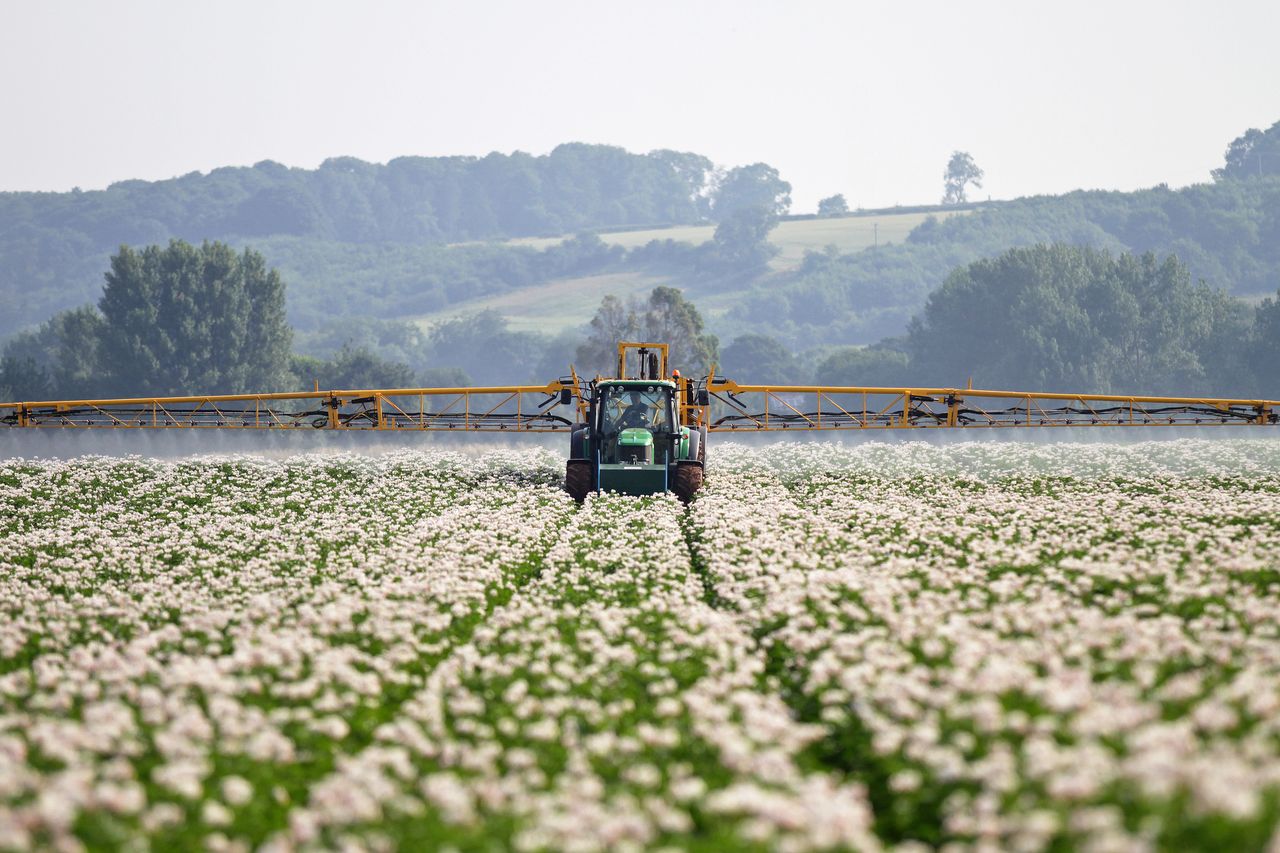
Met Éireann has today (Friday, July 24) issued an advisory for potato blight in some areas of the country in the coming days.
The national forecaster said that weather conditions conducive to the spread of potato blight will develop in parts of the north and in Atlantic coastal counties this weekend (July 25-26) and for early next week.
Opportunities for spraying will be limited after today (Friday) as scattered outbreaks of rain and drizzle in the north and west are forecast.
Met Éireann said that the best of the spraying opportunities over the weekend will be in the southeast.
Potato blight is a plant disease caused by a fungal-like organism called Phytophthora infestans.
The pathogen spreads rapidly in humid weather in the foliage of potatoes and tomatoes, causing the foliage to decay and the potato/tomato to be infected.
Met Éireann
In in latest outlook, Met Éireann said that over the coming week, more unsettled conditions will develop.
Rainfall amounts are due to remain below normal across much of the country with accumulations of less than 10mm (40% of the average or less).
However, parts of the north, west and far southwest will be wetter normal with 20 to 35mm expected (80 to 200% of the average).
Mean temperatures will be generally around normal in Atlantic areas and up to 2°C above normal levels in the east.
Mean soil temperatures are forecast to continue well above normal.
Drying conditions will deteriorate over the weekend, especially in the northwest, due to damp conditions at times.
Growth
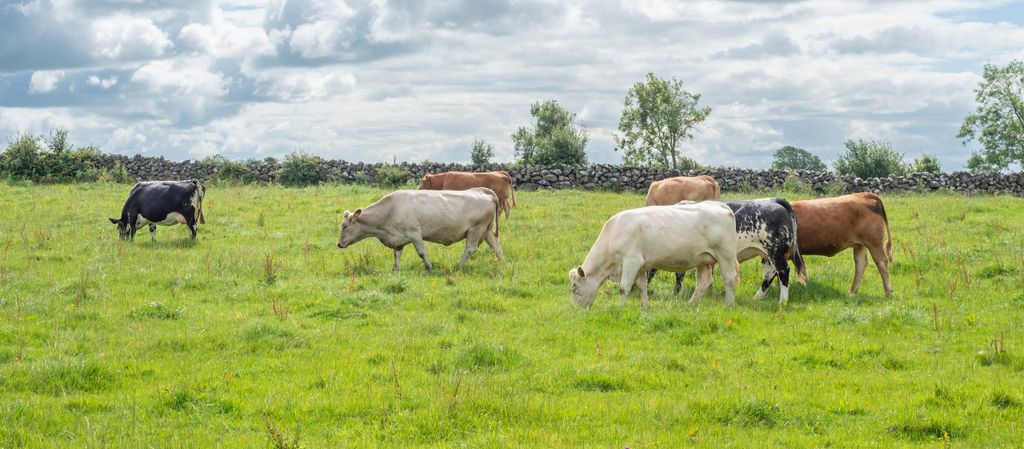
Met Éireann said there is currently a restriction to growth in all areas.
Soil moisture deficits range from 33mm in the north to 90mm in the southeast.
Ground is hard across Leinster, Munster and the midlands, with near drought conditions in east Munster and south Leinster.
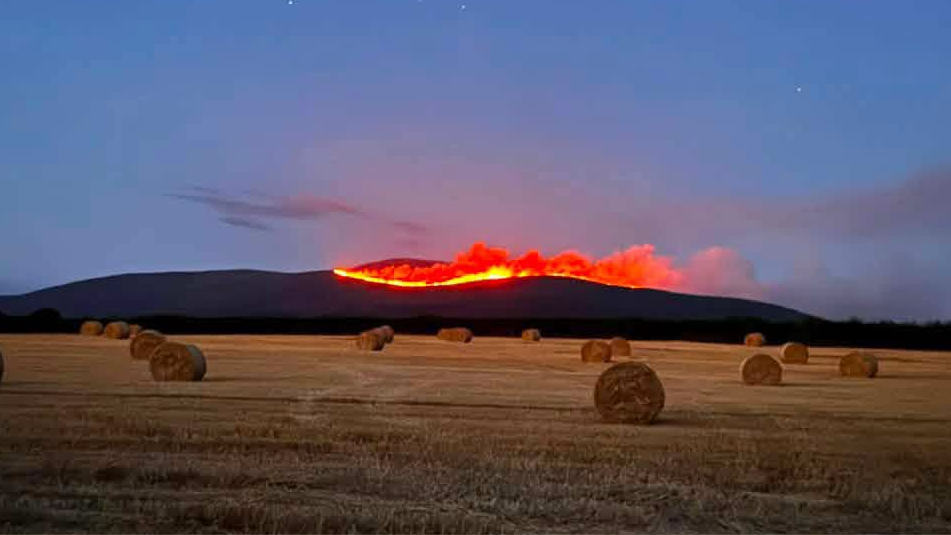
Meanwhile, the Department of Agriculture, Food and the Marine (DAFM) has further extended a 'Condition Orange' warning for high fire risk to next Wednesday (July 29).
The department said that arising from current weather patterns a high fire risk is deemed to exist in all areas where flammable vegetation such as dead grasses and heather and gorse exist.