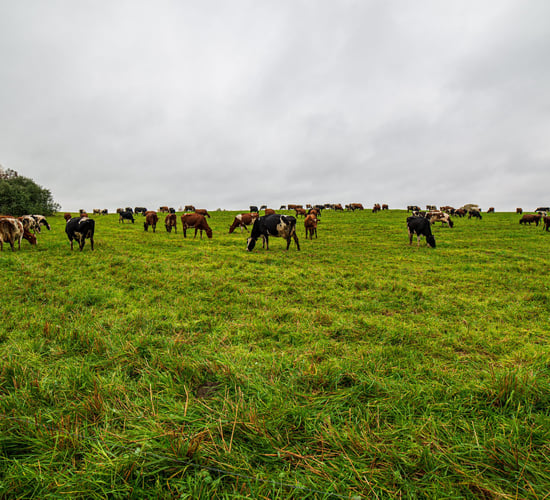
Genetic improvements and new feeding tech expected to boost EU milk yields - report

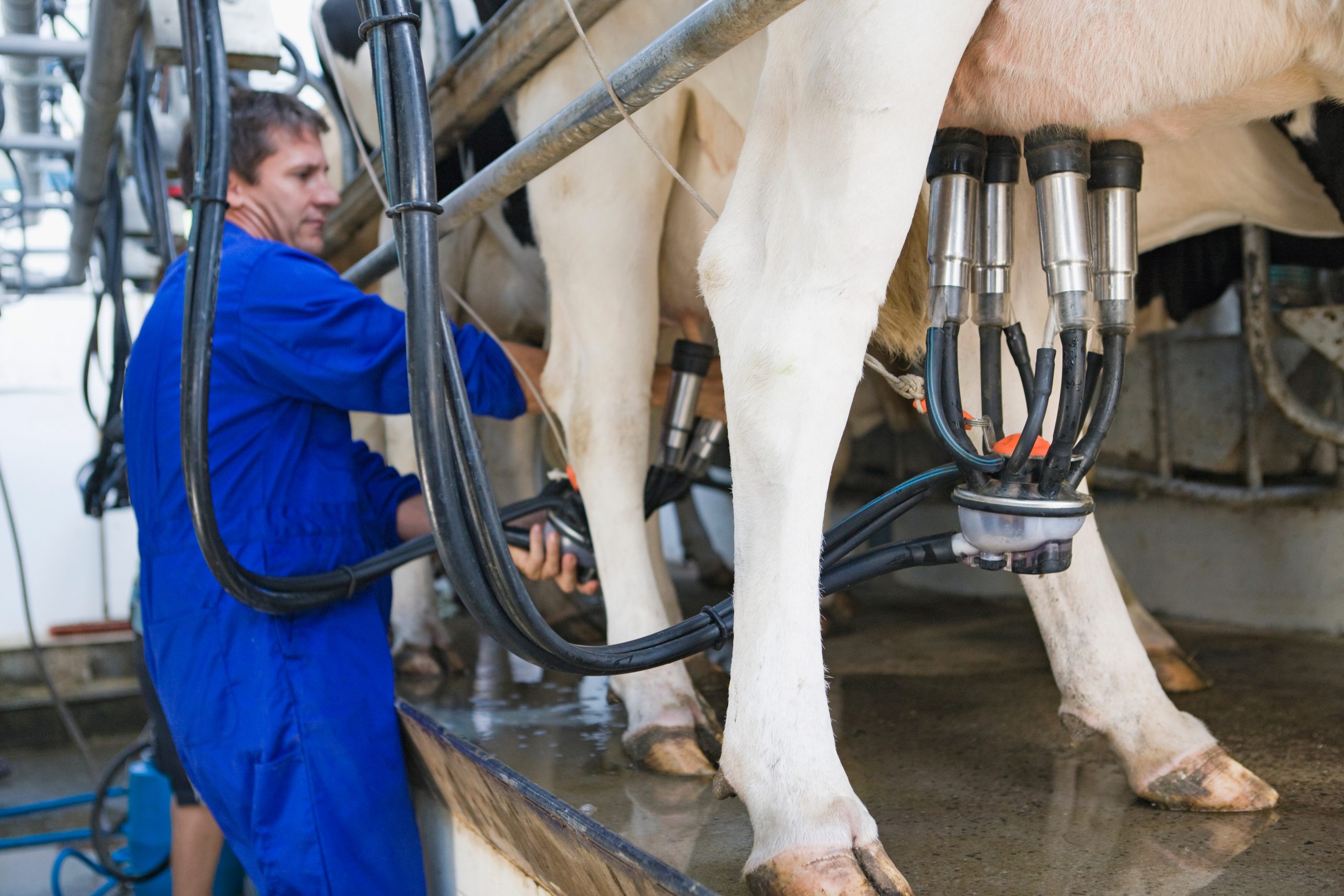
Milk production has increased by an estimated 0.8% per year in the EU in the last decade and is expected to further increase over the next 10 years according to latest research.
A new report shows EU milk yields will increase mainly due to advances in feeding technologies and genetic improvements.
But yields are only projected to grow by 1.2% between now and 2035.
According to the European Commission's latest EU Agricultural Outlook report increasing productivity has counterbalanced the "continuously declining size" of the EU dairy cow herd in the last decade.
It also points to how "substantial regional differences have shaped EU milk production".
Researchers highlighted the example of Poland where productivity has "increased remarkably" - there was a 46% increase in milk yields between 2014 and 2024.
But in other countries like for example, France, milk collection has fallen off - it decreased by 4.5% between 2014 and 2024.
"In the coming years, regional differences are expected to remain significant, but the gradual catching-up of milk yields in some countries could slow down," researchers said.
Milk solids
According to the commission's latest EU Agricultural Outlook report the EU dairy sector milk production is expected to remain stable, underpinned by growing milk yields and solids content.
Researchers found that profit margins for EU dairy farmers had been relatively high on average during 2024 to 2025, because of "high and stable raw milk prices and stabilising input costs".
But they acknowledged that in the second half of this year commodity prices for butter, skimmed milk powder and whole milk powder started to fall sharply which signals a "downward correction" for raw milk prices in the coming months.
According to the current outlook between now and 2035 changes in supply and demand are "set to be favourable".
Researchers believe this supports the case for "increasing price projections in nominal terms for most dairy commodities and therefore also for raw milk".
They also highlighted that input costs have stabilised in recent months - including in energy markets - and this could further ease the pressure on the gross margins of EU dairy farmers.
Environmental impact
According to the agricultural report the livestock sector in the EU is expected "to contribute more to achieving environmental objectives in the coming years".
Researchers referenced stricter national environmental policies to "reduce excessive nitrogen emissions in Ireland or the Netherland and greenhouse gas emissions (GHG) " as examples of this.
"Such policies may further limit the size of the livestock herd in some areas and could lead to a further contraction of the EU dairy herd - by an estimated two million heads in total between 2025 and 2035," they warned.