EU agri ministers to discuss Mercosur deal ahead of possible vote

European agriculture ministers are to meet on Wednesday (January 7) in Brussels for key discussions ahead of a possible vote on the controversial EU-Mercosur trade deal this week.
The meeting, organised by the European Commission, will be attended by EU Trade Commissioner Maros Sefcovic and Agriculture and Food Commissioner Christophe Hansen.
It is understood the discussion will focus on the future of farming and food security in Europe and will take into consideration concerns raised by farmers during recent protests.
The ministers are expected to discuss actions and measures to increase competitiveness of European farmers, such as better alignment of production standards and strenghtening of controls on imports.
The meeting will also focus on the future of the Common Agricultural Policy (CAP) post 2027, reducing regulatory burden on farmers and rising farm input costs.
Mercosur
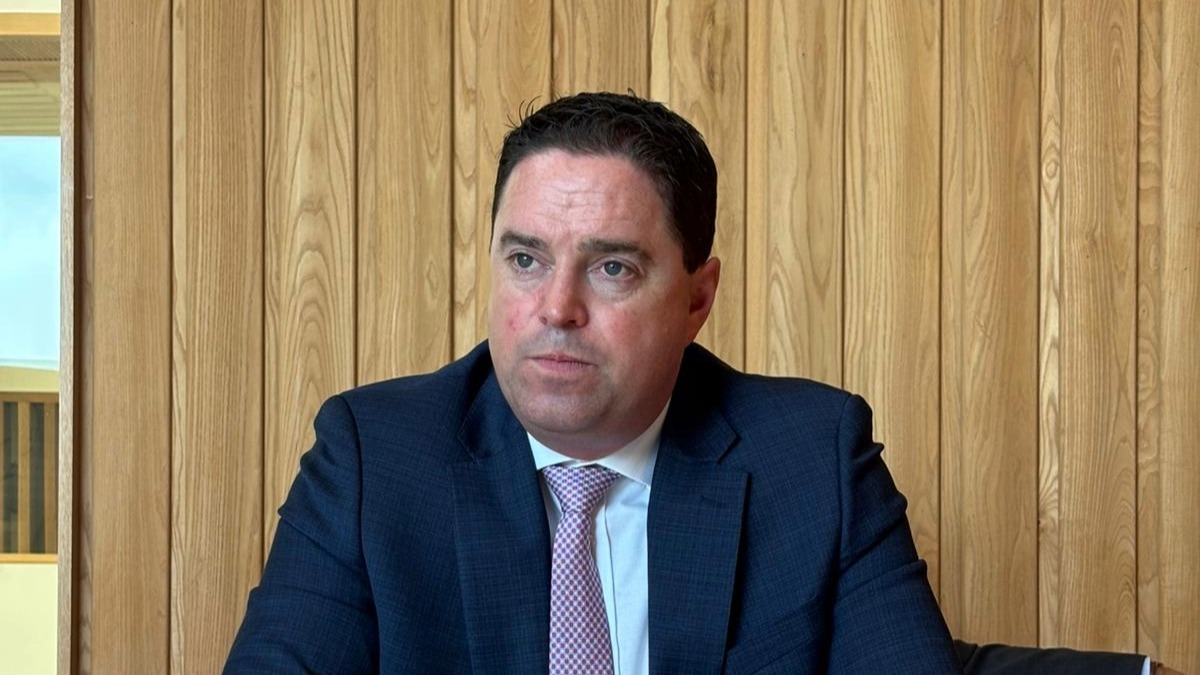
It is understood that Minister for Agriculture, Food and the Marine Martin Heydon and his officials will be holding bilateral meetings with representatives from other EU member states, including France, Italy and Poland which have also voiced opposition to the trade deal.
The meetings are aiming to determine where member states now stand on the proposed deal.
It has been reported that Italy, which had sought further assurances regarding safeguards for EU farmers, may now be prepared to back the trade deal. However, this has not been officially confirmed.
Under EU rules, a blocking minority requires four countries that make up at least 35% of the population of the EU, meaning that Italy with around 13% of the EU population is a key player.
Depending on the outcome of Wednesday's meeting, EU state ambassadors could hold a vote on the trade deal on Friday (January 9).
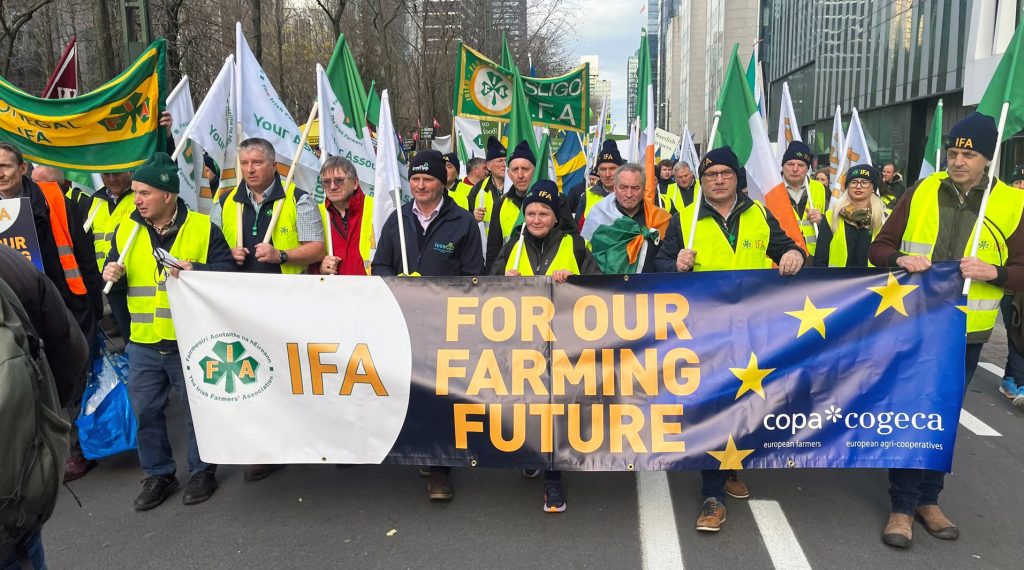
Last month, around 10,000 European farmers, including from Ireland, demonstrated in Brussels against the proposed trade deal with Argentina, Brazil, Uruguay and Paraguay.
The controversial trade deal will allow 99,000t carcass weight of Mercosur beef - mainly from Brazil - to enter the EU at a much reduced tariff rate of 7.5%. The quantity of beef under this quota will be phased in over a five-year period.
While the EU Commission has proposed a range of "safeguards", farmers remain concerned about the potential impact of imports from the four south American countries.