Winter barley yields coming in at 3.5t/ac

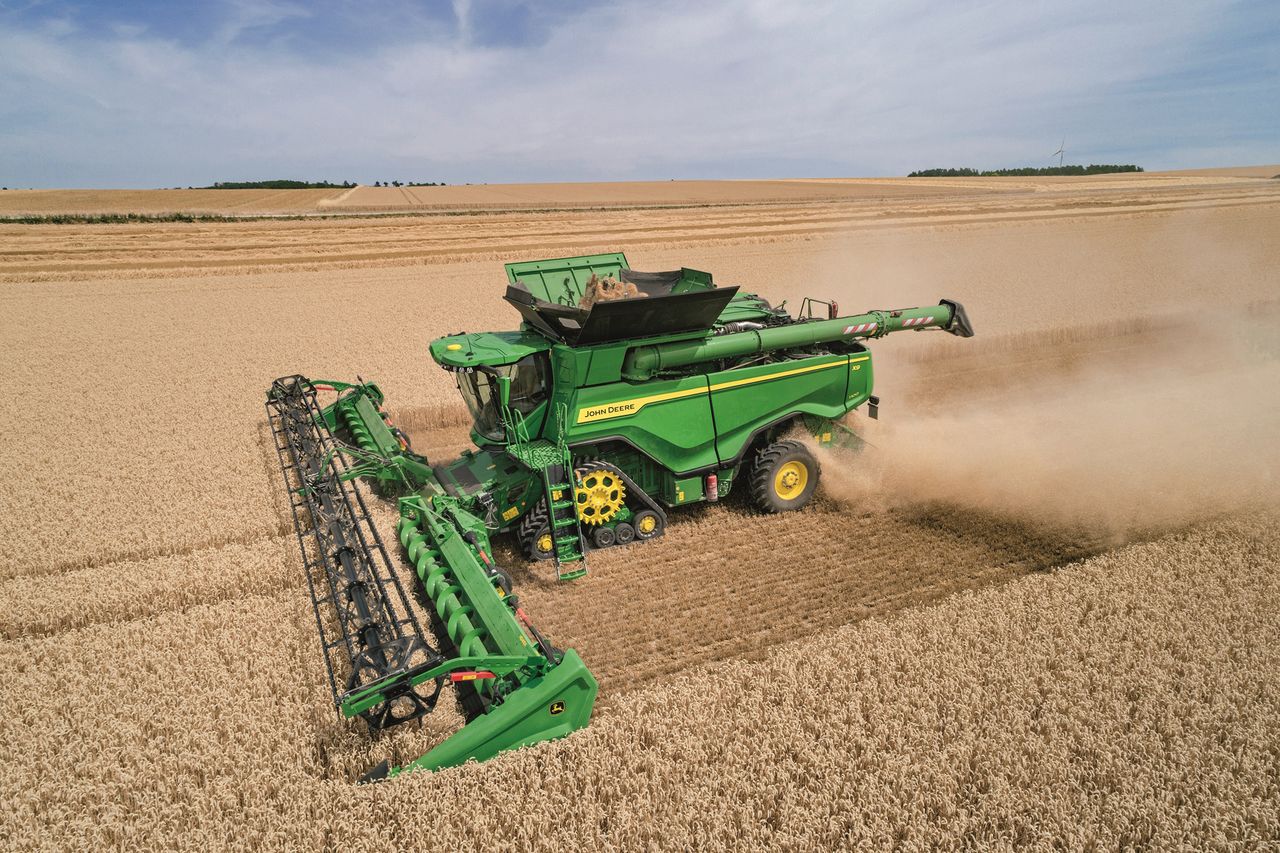
Initial winter barley yields are coming in around 3.5t/ac with moisture levels dropping with every hour that passes.
Harvest 2026 is now in full swing across the south of the country, with winter barley growers in Northern Ireland expected to be combining by the weekend.
Evidence of Barley Yellow Dwarf Virus (BYDV) in crops cut this week seems to be very low.
It is expected that yields will creep up over the coming days.
With little or no rain in the forecast, it is envisaged that the winter barley harvest across the island will be completed within the fortnight.
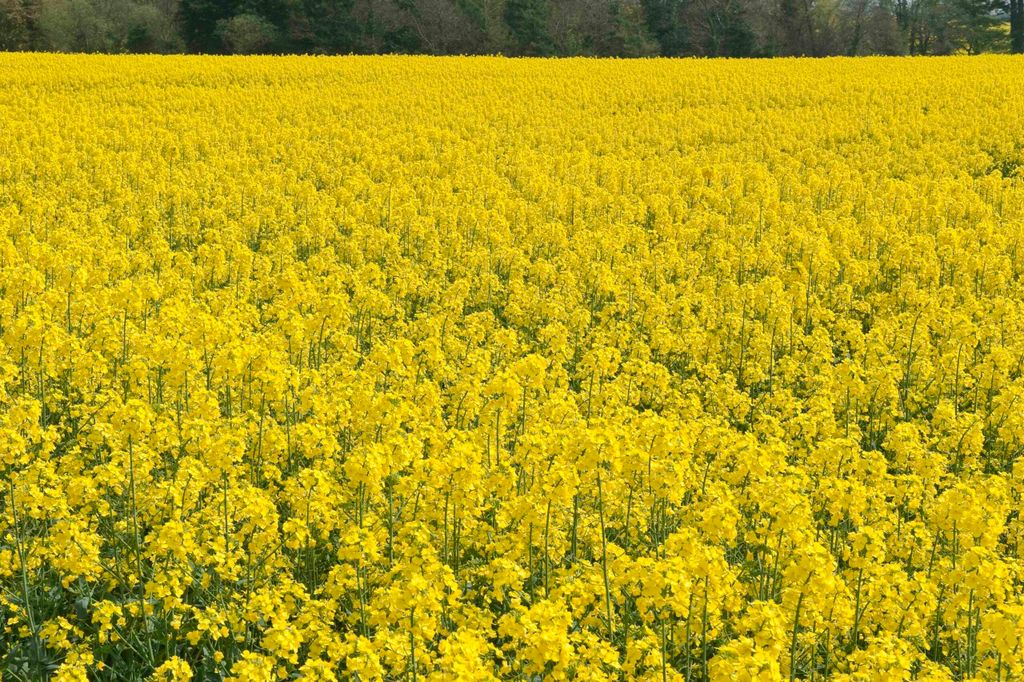
Next up, in terms of Harvest 2026, will be winter oilseed rape. Here, yields are expected to be good with buoyant prices adding to the feel good factor for a crop that performs well under Irish conditions.
Most winter wheat crops are now well advanced with many showing immense yield potential. An early to mid-August harvest date here is now a real possibility.
BYDV
When all the winter crops are in store, agronomists will be in a position to accurately assess how tolerant BYDV resistant varieties of winter barley actually performed under commercial farming conditions.
Over 50% of the winter barley seed sold last autumn had BYDV tolerance claims made for them.
With spring crops, however, a different story is unfolding. Many suffered quite badly under the drought conditions that prevailed in late May and then, again, a few weeks later.
Meanwhile, forage maize crops are performing well with growth rates boosted by the return of the hot, dry weather conditions.
Weather
Met Éireann is predicting that high pressure is likely to dominate over the coming days. Centred to the north-west of Ireland, it will bring widely settled and drier than average conditions.
Temperatures will also be higher than average across the country, but particularly so in the south-west.
While confidence is lower, beyond this there is a signal for conditions to stay largely settled and warmer than average, particularly in the south and south-east.
Rainfall amounts are likely to stay lower than average also.
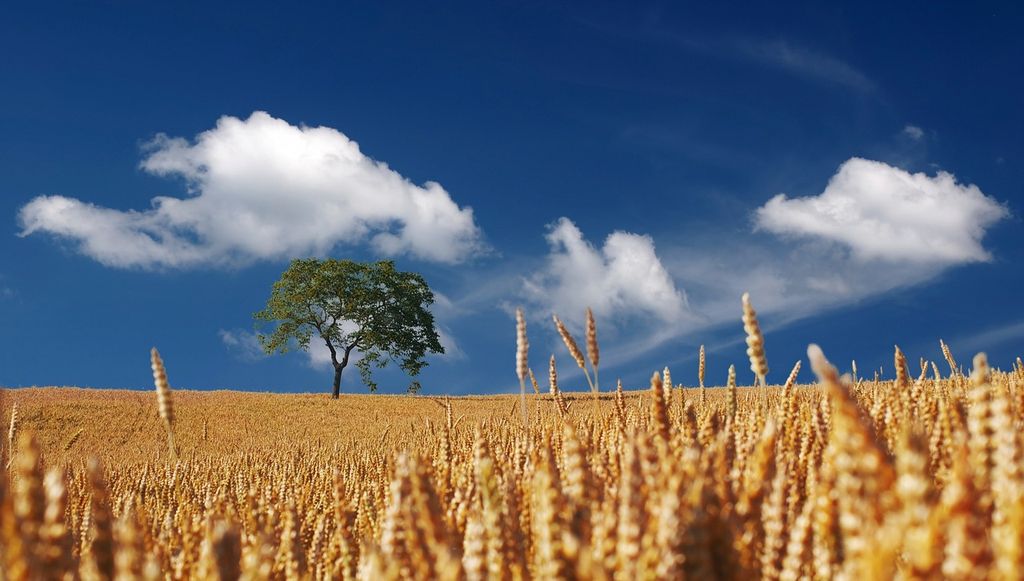
It all adds up to the encouraging start to the harvest that all tillage farmers had been hoping for.
However, international grain prices remain very much in the doldrums with large stocks of grain in store across the world’s main cereal growing areas.
One of the key pressures now facing Irish tillage farmers is the extreme costs of inputs incurred throughout the 2025/2026 growing season.