Commission to examine replacing live exports to third countries with meat

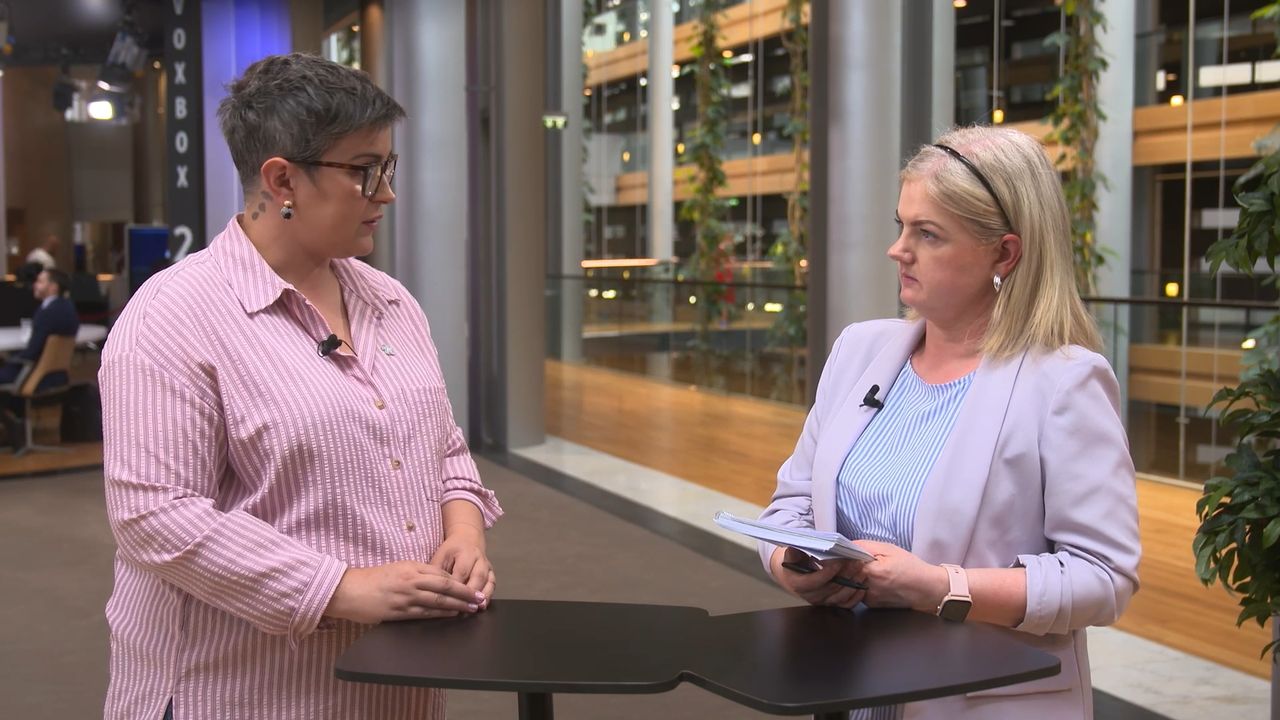
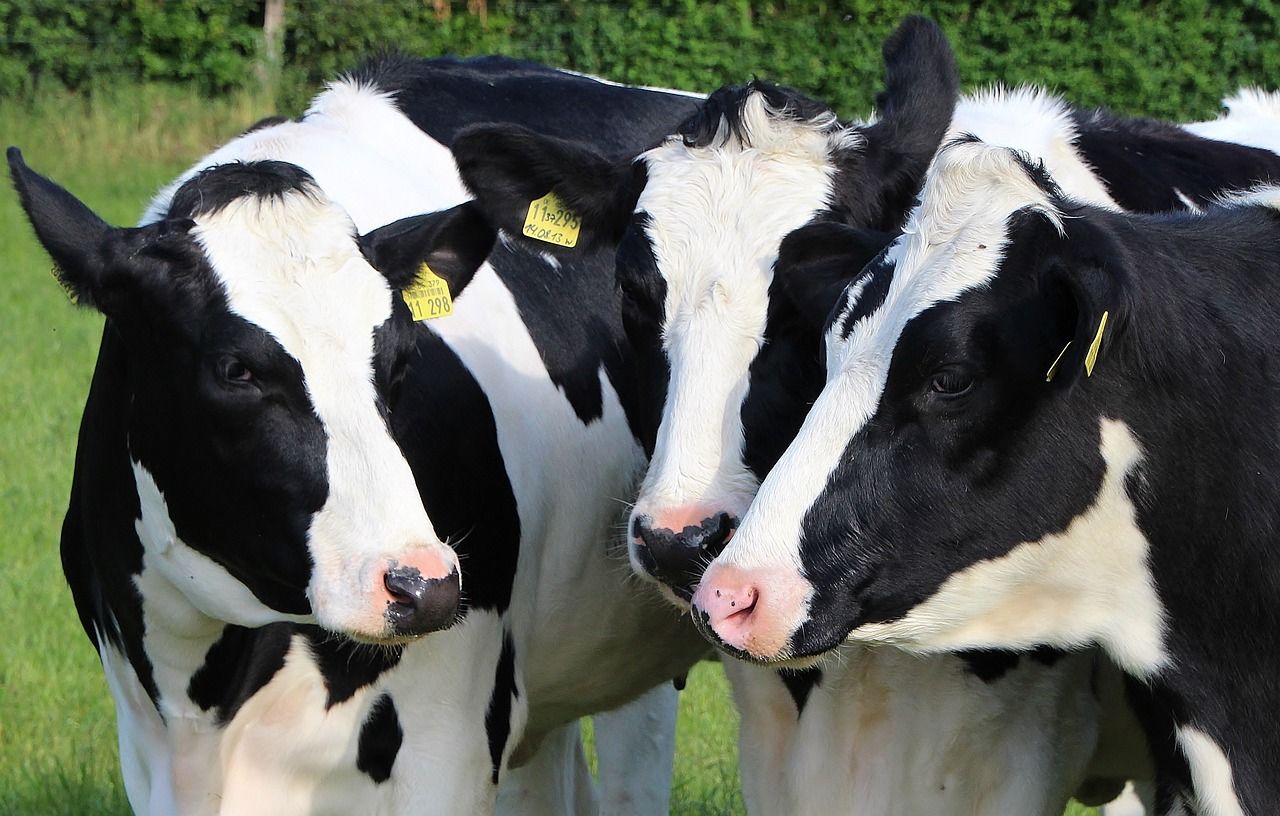
The Commissioner for Health and Animal Welfare, Olivér Várhelyi, has said that the European Commission is set to examine the feasibility of exporting meat instead of live animals for slaughter to third countries.
Speaking at the launch of the European Commission's Livestock Strategy, Commissioner Várhelyi said that it must first be economically viable to do this.
The commissioner was speaking about possible solutions that the commission could support to reduce the time necessary for animals to spend in transport.
He said: "What we wanted as a contribution to this livestock strategy is to try to find other incentives with which we can reduce the time necessary for animals to spend in transport.
"We are calling for more regional, local slaughterhouses to be deployed - we want to support it. Even mobile slaughterhouses for more remote regions should be considered as an option."
The commissioner said that by supporting measures such as this, "we will immediately reduce the time necessary and strain necessary for live animals to travel for slaughter".
He added that long journey times transporting livestock for slaughter "is the single biggest threat on the system".
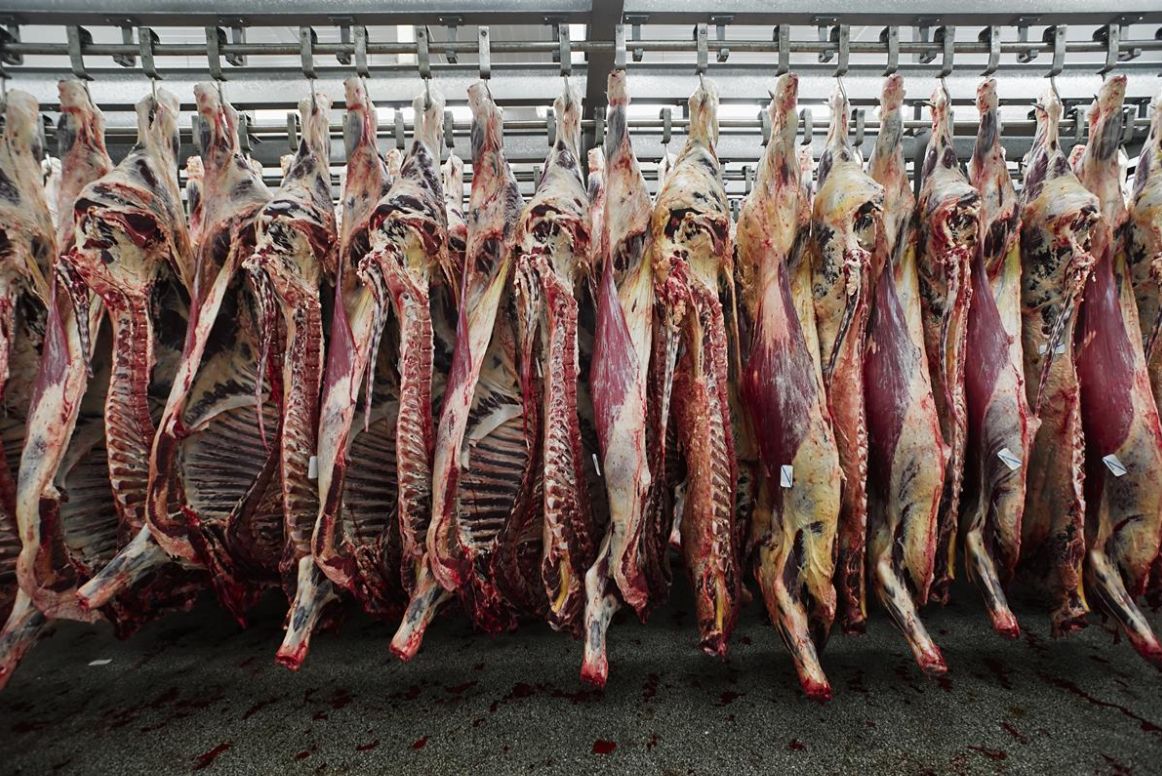
"This is why now for example we will start looking into options, [it] has to be economically viable and feasible, whether it is not more economically feasible to export meat instead of live animals for slaughter to third countries," he said.
"We are also looking into ways how we could ease the situation on the ground when it comes to animal transport but also being mindful of the economic necessities that we have."
The Livestock strategy was launched on Tuesday (July 7).
The strategy is described as "the first of its kind" and sets out actions which aim to help livestock farmers address economic, environmental, and market challenges.
The long-term vision of the strategy aims to "recognise the essential role of sustainable livestock farming in Europe's future to protect Europe's food security and support rural communities in all their diversity".