Watch: MEP stresses need for a stronger CAP to support next generation
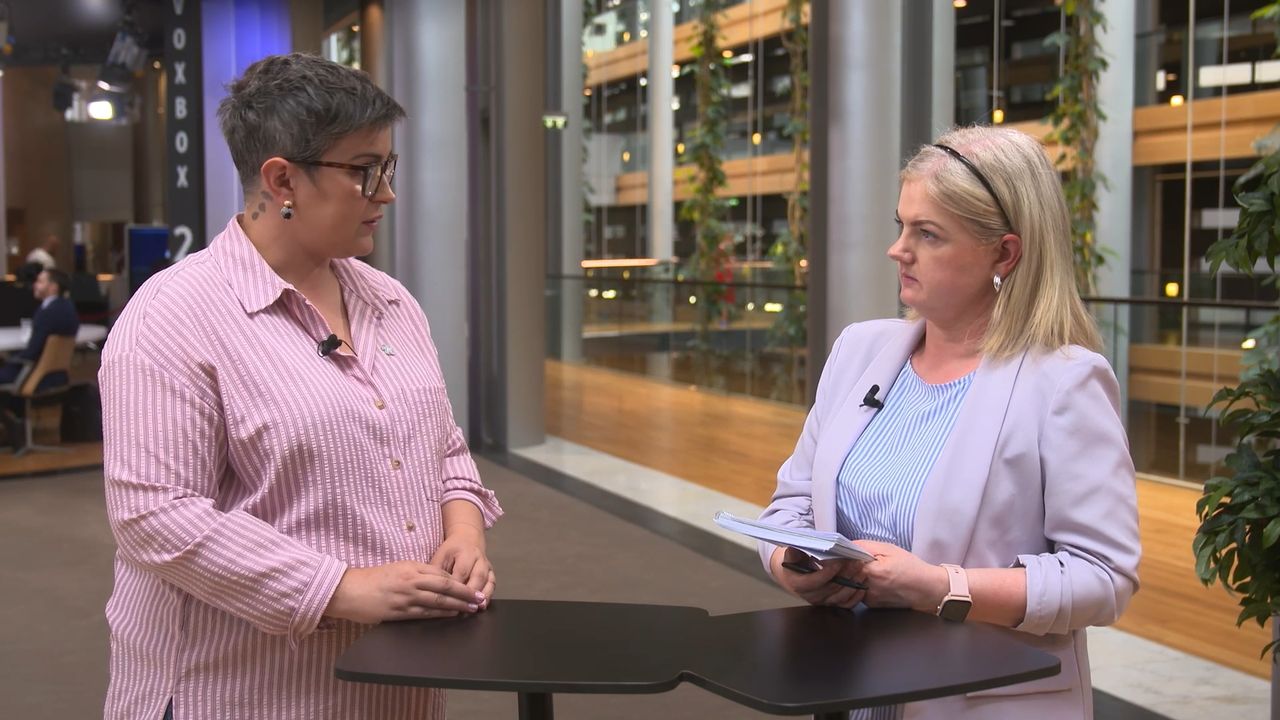
With the future of farming high on the agenda, Irish MEP Maria Walsh has this week addressed one of the sector's biggest challenges - generational renewal.
Maria Walsh, who is lead negotiator for the European Parliament on generational renewal in the next Common Agricultural Policy (CAP), spoke with Agriland editor Stella Meehan in Strasbourg.
Walsh recently published the European Parliament’s draft report on Generational Renewal in Agriculture, aiming to offer a "blueprint" for the way ahead when it comes to the next generation of farmers.
The report identifies that young farmers require easier access to land and expansion of land mobility schemes and that there should be better access to finance and banking supports while providing more ambitious support for female farmers.
Her key ambition is for 10% of the post-2027 CAP budget to be ringfenced for young farmers and generational renewal.
As work continues, the MEP for the Midlands–North-West said a "very clear cut" is the need for this ringfenced 10%.
She said additional top-ups such as the "starter pack" CAP proposal of €300,000 is also important for young farmers, "to alleviate a lot of the pressures that farmers and farm holders" face in terms of investment.
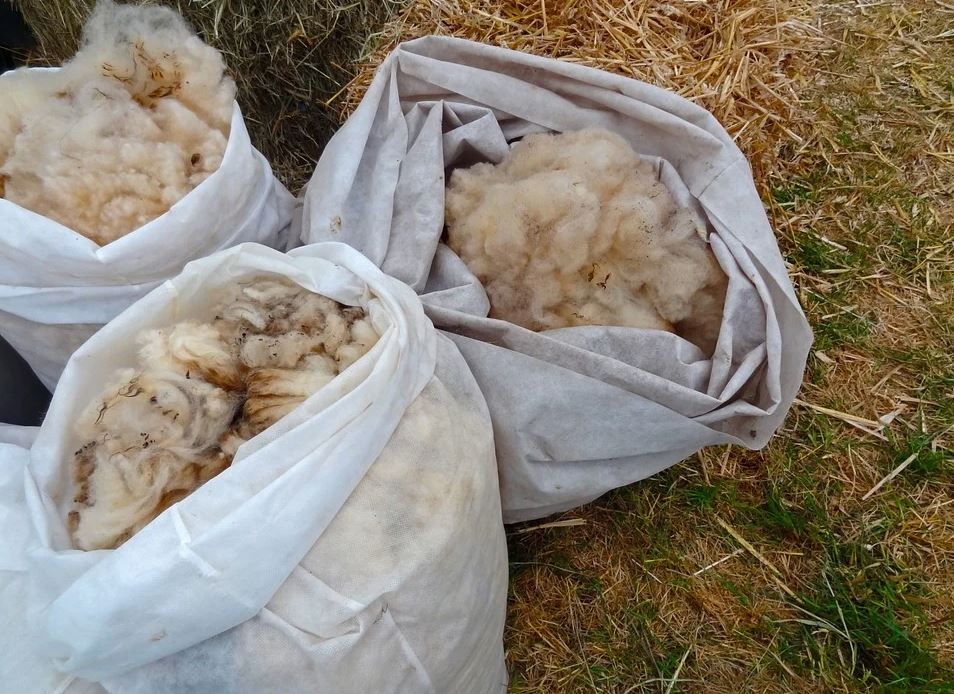
She said discussions on generational renewal are also taking place "in tandem" with work on other issues including the need to support the diversification of markets for farmers, such as wool for sheep farms.
Walsh also said there is a need to support older farmers as part of generational renewal, to "ensure that farmers at any age are retiring in an honourable, financially secure way".
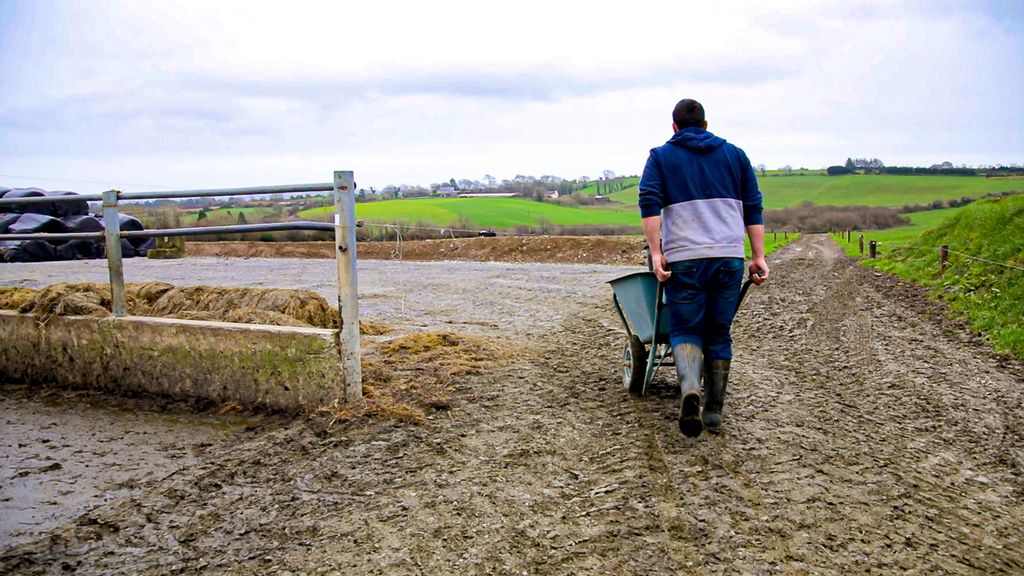
This is while "making sure that inheritance, be it land or assets, are going to the young farmer in order to scale and grow".
The European Commission this week unveiled its first-ever Livestock Strategy.
The strategy aims to set out a roadmap to help the livestock sector thrive across Europe.
MEP Walsh said she is a "little bit disappointed" in the strategy.
"I can talk at length too about the fertiliser strategy that was released by the commission just some weeks ago, because we seem to be only looking at the short-term problem versus the long-term," she said.
"When we use current money or old money and not investing new money, then that also frustrates me because we need to make sure food security is also our number one security and defence priority."
Profitability
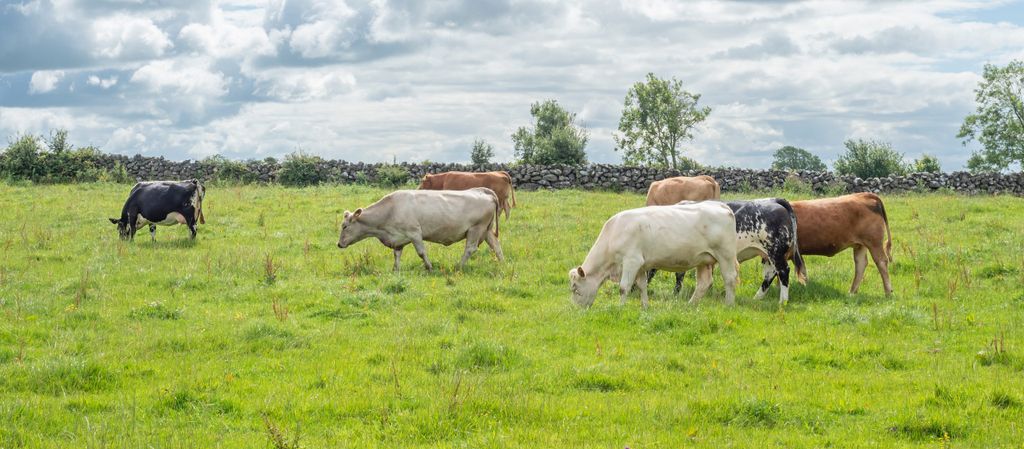
Walsh highlighted the decrease in sheep and cattle numbers not just in Ireland but also across Europe.
She said change can happen if there is a "better balance in our supply chain, and our retail markets needs to be woken to say a farmer who's producing good quality food needs to be paid adequately".
She added: "We need to get really serious in any of these strategies that are being released, or the next CAP, that we have to look at inflation rates because that cuts into profitability".
For marginal areas, Walsh said new offerings for diversification through LEADER for example should be explored, such as wool or agri-tourism, to ensure farmers can create a "more sustainable, diverse" income.
"For me, the clarity in these last few strategies from the commission is just not providing that for me, but we continue to work on that and that's why we're here," the MEP said.
"These next number of months is where we need to be really clear in the black and white of text about what goes into a farmer's pocket, what can be potentially drawn down from a farmer, and then what other markets are surrounding them.
"The Livestock Strategy has to feed into not just two or three or five-year increments, it has to be 20, 30 years for us to be competitive.
"If we're going to be competitive as a European bloc in agriculture, then what are we going to do for that?"
CAP
Walsh stressed the need for the post-2027 CAP budget to be increased from the current amount proposed.
Walsh said she has been "really clear" that when it comes to "agriculture and the competitiveness piece and the food security piece, this is not the time to be risk-savvy".
"We need to invest more. We need to be investing in our technology, we need to be ensuring that we have those different markets.
"We need to create the administrative burden lift too."
She said over the course of Ireland's EU presidency, "honest brokers is what the government will need to be - but that doesn't mean the utilisation of 14 MEPs is not on the cards either".
"We have very good relationships with many of the large member states, but we have to be practical, too," Walsh said.
"A reduction in the next CAP means there is a reduction to our country."
She said "we have to be really clear to those on the ground who are putting food on our table multiple times a day what that will look like".
She said from an EU presidency standpoint, "we have a real opportunity and a lot of pressure for the next six months because we have colleagues here that are expecting Ireland to close out the CAP fund for the next term".
'Low-hanging fruit'
Walsh outlined a “number of pieces of low-hanging fruit” for the government to tackle too.
“Clarity in the Nitrates Derogation needs to happen. I know we've had a reprieve, but that will be looked at again,” she said.
“We need to make sure our younger farmers are seeing support immediately.
“The reclassification of wool as a by-product is incredibly important.
“All those, what I would call low-hanging fruit, need to happen.
"If we're seeing a reduction in CAP led by our presidency, then we need to make sure a lot of the other things are alleviated for farmers to actually get on with what they need to do."
She added that, "fundamentally, if member states at council level are not putting new money in, then we need to be prepared for what will come".