What can heritage barley varieties offer modern markets?


Heritage barley varieties may hold great potential for Ireland’s brewing, distilling and food production sectors.
And, in so doing, it really is a case of learning from the past.
Teagasc-led research has been assessing whether such heritage varieties can offer new opportunities for contemporary markets.
The genetic material that scientist are working with is preserved in Ireland’s national seed bank.
Recent years have seen the reconstruction of barley breeding records to determine whether these heritage varieties might offer new qualities for today’s artisan and industrial markets.
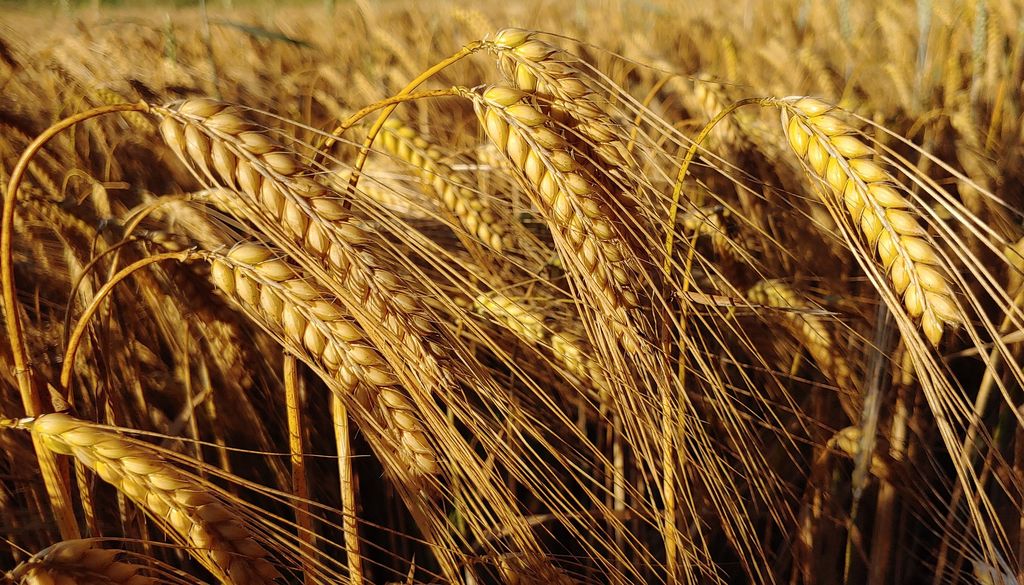
Barley is the major cereal crop grown in Ireland, with both spring and winter varieties cultivated primarily for animal feed and beverage production.
Beyond these traditional uses, barley is increasingly attracting interest from craft brewers, distillers and food producers looking for distinctive flavours or nutritional characteristics.
Many of these qualities may lie in older barley varieties developed during earlier breeding programmes.
Some of these historic varieties have been preserved in Ireland’s national seed bank, offering researchers a unique opportunity to explore how breeding efforts evolved and whether past varieties could still have value today.
Barley breeding
The need for genetic improvement in barley was recognised early in the development of modern plant breeding.
For malting barley, breeders sought varieties with traits such as low nitrogen levels, strong straw, disease resistance, high yields and uniform grain size. In the late 19th century, however, Irish barley varieties often fell short of these ideal characteristics.
In addition to documenting breeding history, researchers assessed the physical and malting characteristics of surviving grain samples.
In particular, they focused on a set of 37 winter barley breeding lines preserved in the seed bank.
These lines were evaluated for agronomic and grain-quality traits including protein content, beta-glucan levels and Hagberg Falling Number, a standard test used to assess grain quality.
Through the reconstruction of breeding records and adding genetic descriptors to the seed bank collection, the Teagasc work has significantly improved documentation of the historic Irish malting barley programme.
The research also demonstrated the capacity to process small batches of grain for experimental brewing and distilling.
Heritage barley
The historic barley lines may not match modern varieties in yield or processing performance, but they represent a valuable genetic resource.
They capture decades of breeding history, and their distinctive traits could prove useful for future breeding programmes or specialised applications.
More broadly, the ongoing highlights the importance of preserving and documenting crop genetic resources.
As interest grows in heritage grains and distinctive brewing ingredients, these historic barley varieties may yet find a role in the future of Ireland’s brewing and distilling industries.
As interest grows in heritage grains and distinctive ingredients, the rediscovery of historic barley varieties may offer new possibilities for Ireland’s brewing and distilling industries.