Update: Lambs thrive on Offaly farm despite weather challenges

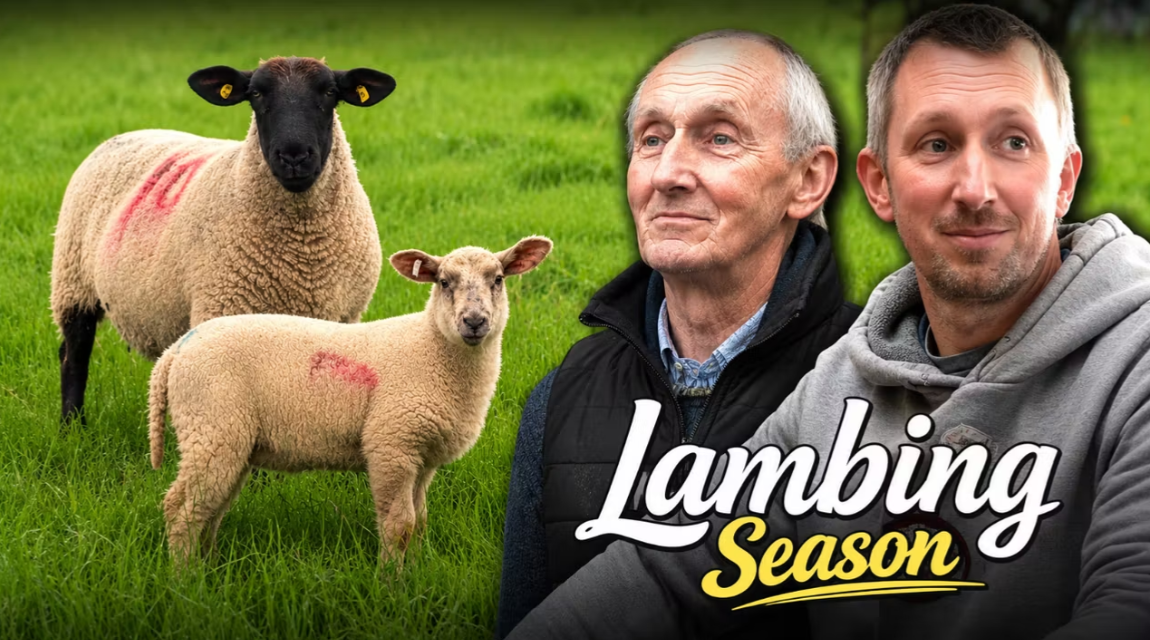
A return visit to Ken and Richard Mathews' farm in Co. Offaly has shown lambs that are doing "remarkably well" despite severe weather changes.
Earlier this year, Agriland broadcast a three-part 'Lambing Season' series in conjunction with Irish Country Meats (ICM) from the Mathews' farm near Killeigh.
On his visit to see how the flock has been performing since the previous update in June, Ken told ICM's Conan Fitzpatrick that the farm had experienced a "particularly wet spring" followed by "an extremely dry spell of weather".
Of the 374 lambs born on the farm during the spring months, 71 remained on the farm in late October.
Most of the lambs born later are being finished on Tyfon, a leafy turnip hybrid.
This excludes the pet lambs which are being finished indoors.
The 108 lambs weighing between 40-44kg that remained on the farm by August 7 were introduced to Tyfon.
By August 18, 56 of these lambs had reached 47-50kg liveweight, and were subsequently drafted for slaughter, achieving an average deadweight of 22.16kg.
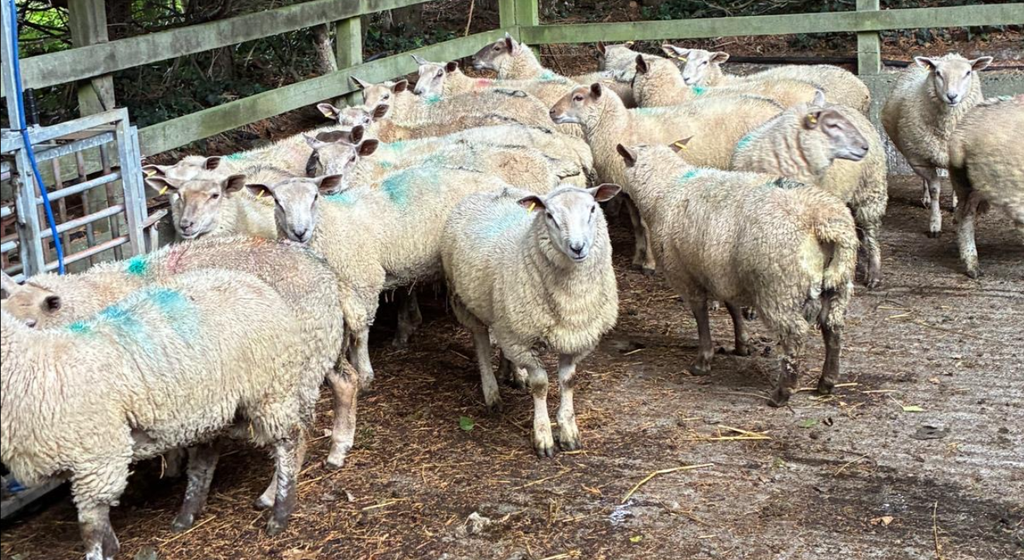
A further 42 lambs being finished on Tyfon were drafted for slaughter on August 24, with this batch achieving an average deadweight of 21.8kg .
Of the total 229 lambs slaughtered, 145 were graded U3, with the remaining 84 being graded R3.
Pet lamb performance
There were a total of 70 pet lambs reared on the automatic feeder this year.
Ken and Richard said they opted to wean lambs at four weeks of age, due to difficulties encountered in previous years when lambs remained on milk for longer periods.
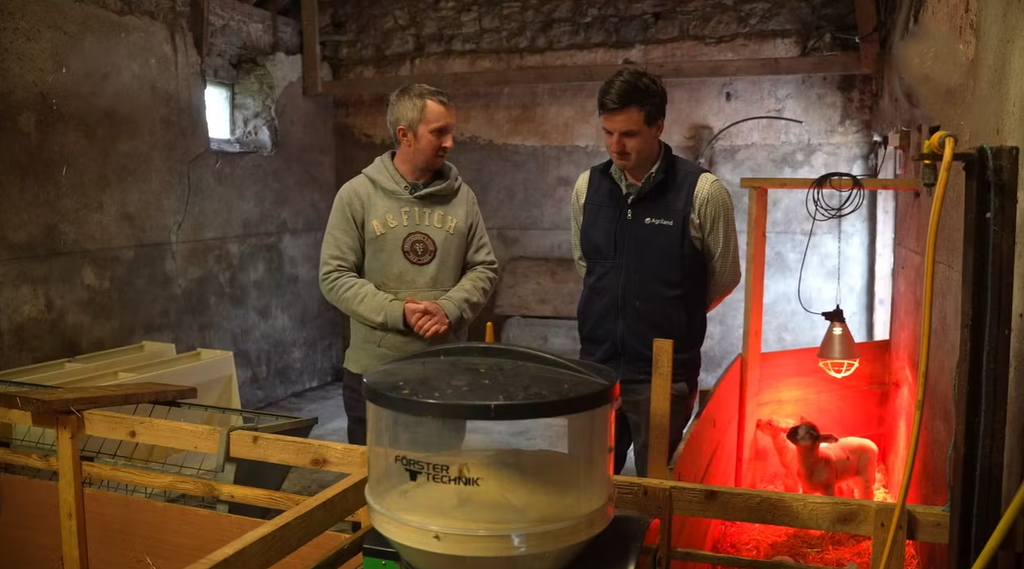
The pet lambs had access to ad-lib creep feed and were housed indoors until they had been finished.
Ken and Richard calculated the total rearing cost at €90/head, with all 70 pet lambs being sent for slaughter before those reared outside in the fields.
An average price of €185/head was achieved for the pet lambs, resulting in a gross margin of €95/head before any costs not included in rearing were subtracted, they said.
Looking ahead
Ken and Richard are currently preparing for the upcoming breeding season.
In late October, 170 Suffolk and Belclare-cross Suffolk ewes were placed on high-quality pasture for flushing, preparing them for the rams to be introduced this week.
Belclare rams will be used with the Suffolk ewes, and Charolais rams will be used with the Belclare-cross Suffolk ewes.
A Chartex ram, which is a Charolais crossed with a Texel, has been introduced onto the farm this breeding season and will run with a group of Belclare-cross Suffolk ewes.
The rams will be left out with the ewes for two cycles before being raddled after 20 days so that ewes can be closely monitored prior to lambing, according to Ken and Richard.