Sponsored
Why protein and grass-fed create a positive outlook for Irish dairy

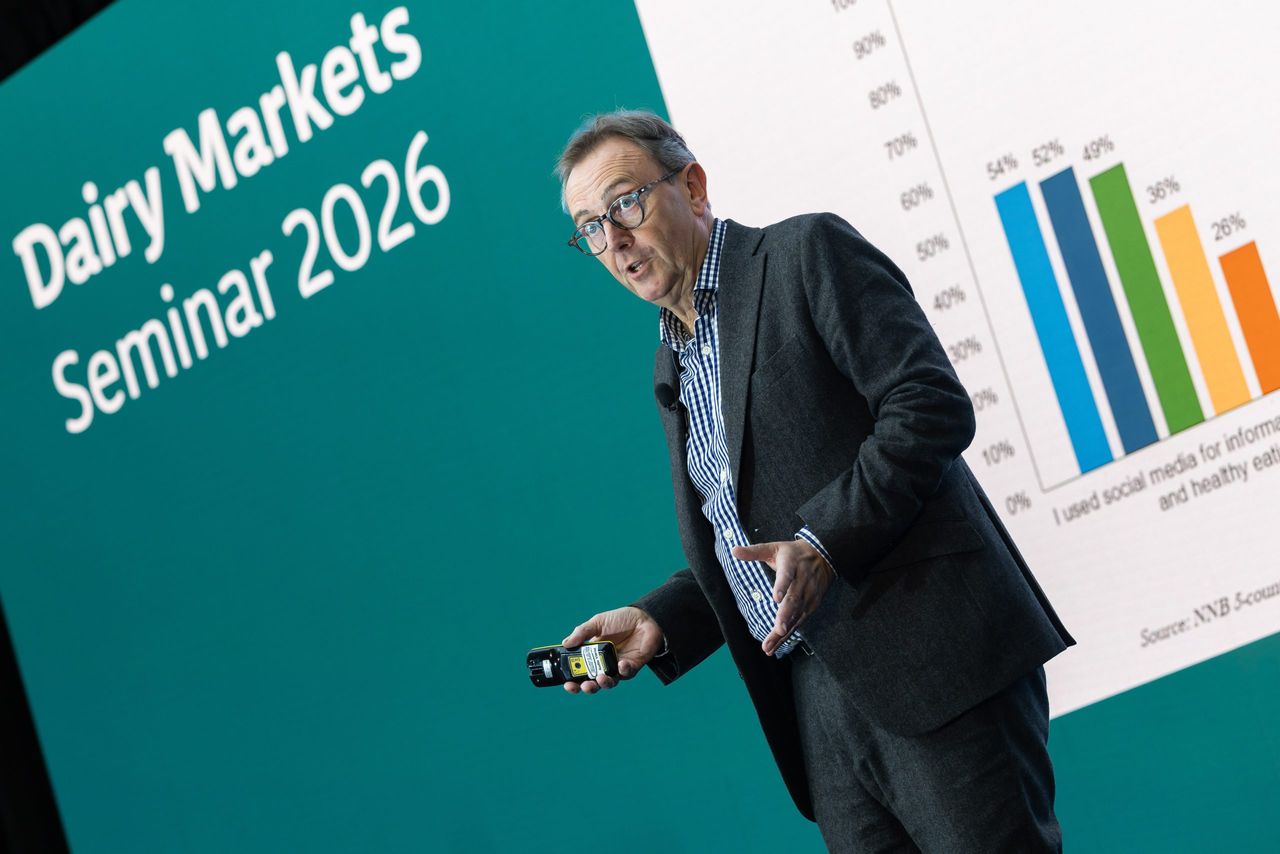
Sponsored by
To better understand emerging opportunities for the dairy sector, Bord Bia works with organisations such as New Nutrition Business, a leading UK-based food and beverage consultancy that advises global manufacturers and retailers on changing consumer behaviour.
From protein and grass-fed credentials to provenance and naturalness, these insights give Irish dairy a clearer view of what matters most to customers and consumers worldwide, and how to respond.
Bord Bia head of dairy, David Kennedy, spoke to Julian Mellentin, founder of New Nutrition Business, to explore the trends currently influencing dairy and what they could mean for Ireland’s grass-fed dairy sector.
Julian, when you look at global food trends today, what gives you most confidence about the future of dairy?
The biggest reason for confidence is that dairy aligns exceptionally well with what consumers increasingly want.
Around the world, consumers are looking for foods that are natural, versatile, good-tasting, recognisable, nutritious and a good source of protein.
The protein trend is not new. It started 30 years ago as a niche sports nutrition trend.
Since then a steadily growing body of scientific research has added to dairy protein's credentials for weight management, for healthy ageing, for better blood sugar as well as sports and fitness.
Those benefits are discussed on social media and they influence the buying habits of multiple age groups.
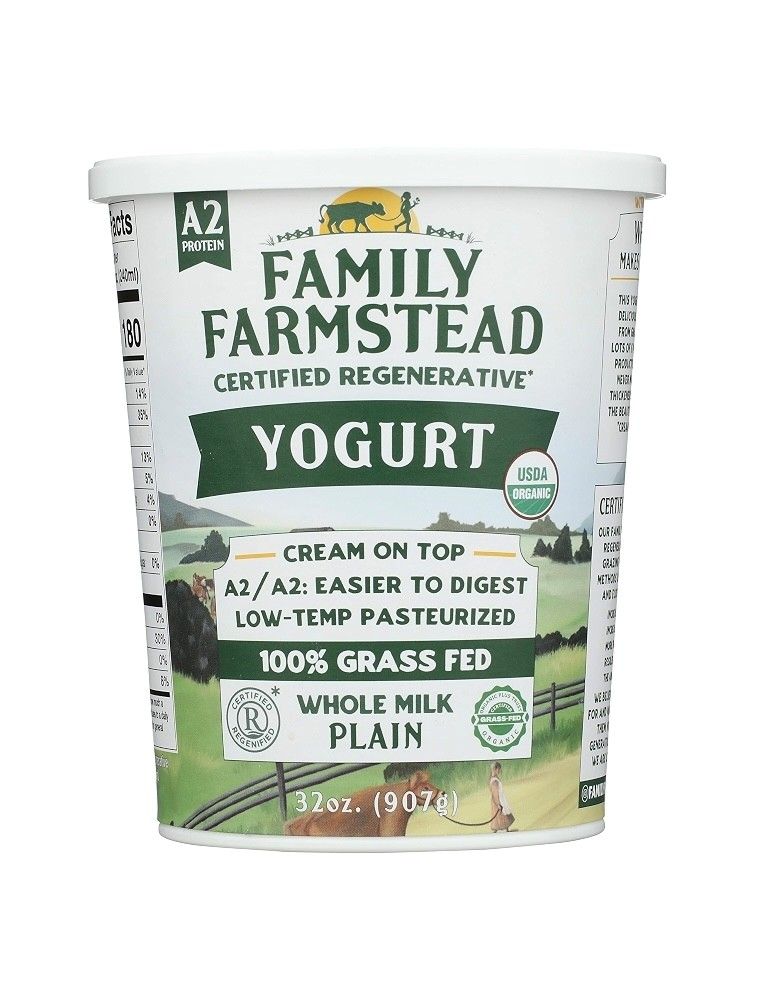
Consumer interest in dairy protein is the most important growth trend in food and nutrition today, worldwide.
Cottage cheese, Greek yoghurt, quark and high-protein dairy snacks have all experienced strong growth because they fit naturally with these consumer priorities.
Consumer interest in protein featured prominently and positively in Bord Bia’s own ‘Cultivate,’ trends research, but perhaps calls out some potential market saturation. Do you believe this trend has longevity?
Protein demand is driven by consumers wanting healthier diets and healthier bodies and they can find that information on social media, which has played an enormous role in raising awareness of the value in the diet of animal proteins.
That's resulted in, for example, sales of cottage cheese growing at around 20% annually in most western markets - from Australia to America to Norway - since 2020.
Protein appeals to younger consumers interested in fitness and performance, older consumers focused on healthy ageing, and mainstream consumers looking for wellness. That breadth makes it extremely resilient.
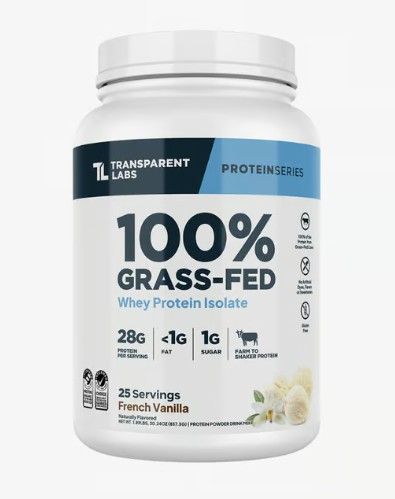
Consumers increasingly favour animal protein. It is becoming the leading growth engine in food because consumers perceive it as natural, effective and satisfying. Dairy sits at the centre of that opportunity.
There's a fundamental long-term shift taking place in how people think about protein and their diet.
That means demand growth will stick around for at least the next five years and probably much longer.
Where do dairy ingredients fit into that story?
Dairy protein shows up far beyond traditional dairy categories, from bakery, beverages and snacks to indulgent desserts.
Dairy ingredients are valuable functional components in multiple categories. Their role is not just to put a protein number on a label, they help brands create better-tasting, quality products.
The trend is not simply creating demand for more dairy products. It is creating demand for more dairy ingredients across the wider food industry.
You have also spoken about “protein quality”. Why is that important?
Consumers think about the quantity of protein a product contains. but they don't yet know about quality.
The next phase is helping consumers understand that not all proteins are equal.
Protein quality is dairy’s untapped competitive advantage. Dairy performs better on quality measures than almost any other protein type, except for egg and red meat.
Companies in Asia, including major brands such as Danone and Nestle, have already started communicating about superior absorption and protein quality.
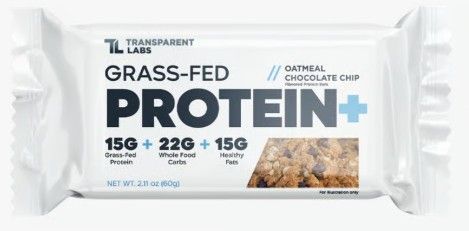
In the USA Core Power, one of the biggest dairy protein brands, has added a "high quality protein" message to its packs.
That quality message will spread among people doing sports and fitness and gradually become more mainstream, supporting demand.
What about butter? Does it have a positive story too?
Absolutely. One of the most significant shifts over the last decade has been the rehabilitation of dairy fat.
For many years, consumers were encouraged to choose low-fat alternatives. Today, many consumers are moving back towards foods they perceive as natural, minimally processed and authentic.
Butter has benefited from this shift. Consumers see real butter as a simple, recognisable food compared with highly processed alternatives.
Butter has regained relevance in home cooking, baking and foodservice. It fits with the broader movement towards "real food" and ingredient transparency.
What's particularly important for Ireland is that premium consumers increasingly connect butter with provenance.
When consumers pay more for Kerrygold in the United States, they are not just buying butter. They are buying a story about grass-based farming, natural production systems and authenticity.
Those attributes are becoming more valuable..
Let’s turn to grass-fed. Why has New Nutrition Business identified it as an important growth opportunity?
If you want evidence that consumers will pay for grass-fed claims, look at what is happening in the United States.
US retail sales of grass-fed beef increased from approximately US$874 million in 2022 to approximately US$1.8 billion in 2025.
That's extraordinary growth for what was once considered a niche segment.
Grass-fed beef is now the fastest-growing part of the American meat market.
The grass-fed label is seen by consumers as delivering three things they value:
- Better animal welfare;
- Better environmental credentials;
- Better personal health.
Consumers don't carry around a technical definition, but they understand what grass-fed represents. That's why the claim carries such a powerful premium halo.
What relevance does that have for Ireland’s dairy industry?
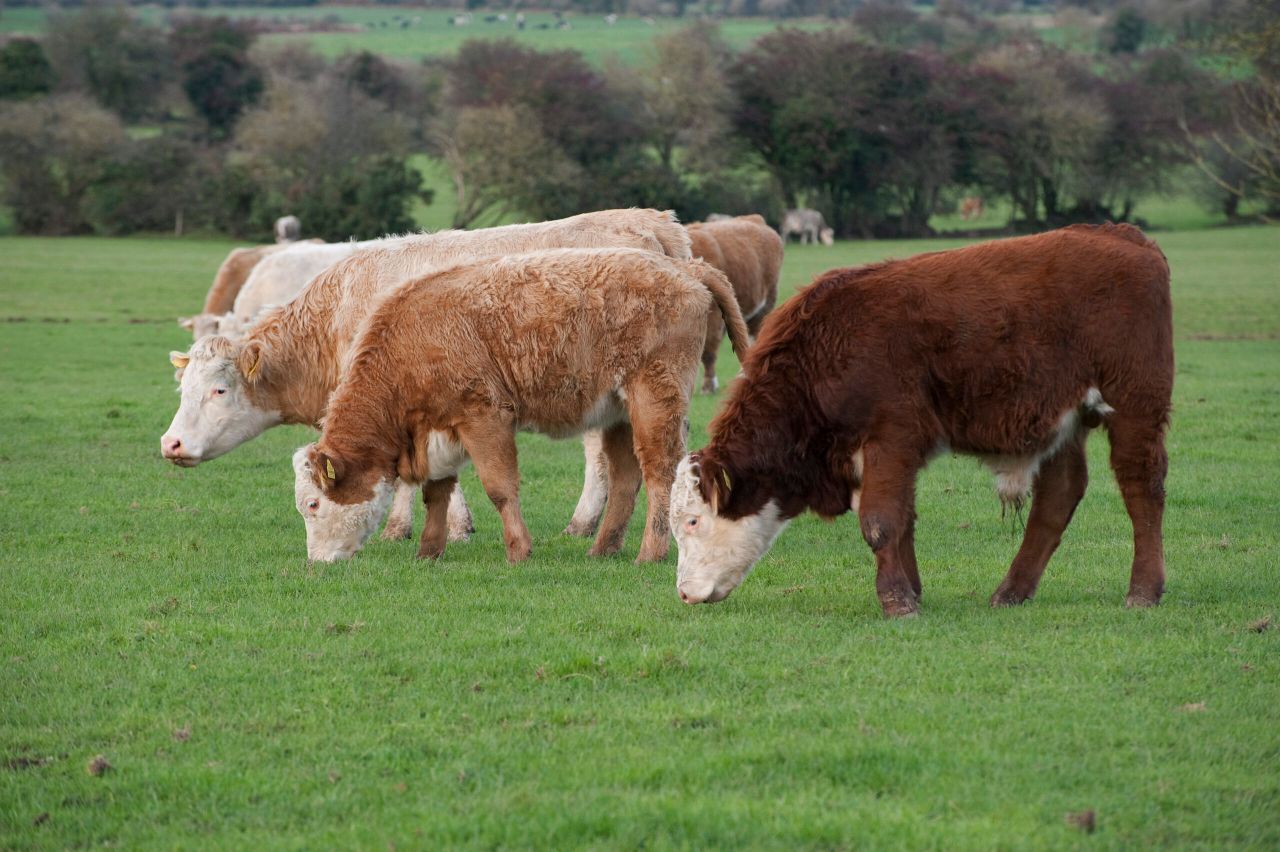
Ireland possesses something many food producers wish they had: a genuinely authentic grass-based production system, supported with data from the Bord Bia Grass Fed Standard that captures a real picture of what happens on Irish farms.
In a world where consumers increasingly want proof of naturalness and sustainability, authenticity matters.
The growth of grass-fed beef demonstrates that consumers are prepared to reward products that connect with these values.
Irish dairy has the opportunity to tell a similar story, supported by real farming practices.
That is a strong competitive position as global consumers increasingly seek products with meaning and provenance.
If you were speaking directly to Irish dairy farmers, why should they feel optimistic about the future?
Because many of the strongest global consumer trends play directly to Ireland's strengths.
Consumers want more protein. Dairy is one of the most trusted and naturally rich protein sources available.
Consumers increasingly value protein quality, which is an area where dairy has a significant advantage.
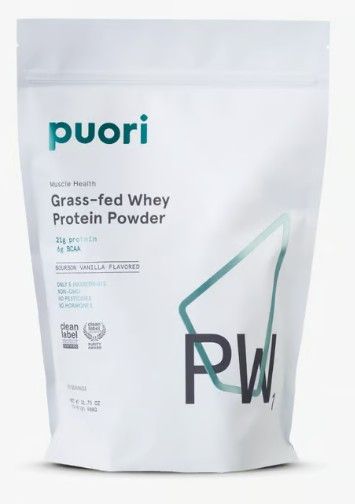
Major dairy companies are only beginning to communicate this benefit to consumers.
Consumers are also returning to foods they view as natural and authentic.
That's positive for butter and cheese. It's positive for dairy fat. It's positive for grass-based production systems.
Finally, consumers are increasingly willing to reward products that can demonstrate provenance and credibility.
Ireland's dairy industry already has a compelling story built around grass-based farming, quality and sustainability.
When you bring those trends together, protein, protein quality, dairy fat and grass-fed production, you can see why Ireland is well-positioned for the future.
The opportunity is not simply to sell more dairy. It is to capture more value from the attributes that consumers increasingly seek and that Irish farmers already produce every day.
Topics
Sponsored by