New voluntary IBR control programme set to be developed


The development of a voluntary control programme for infectious bovine rhinotracheitis (IBR) is among the goals of a new animal health strategy.
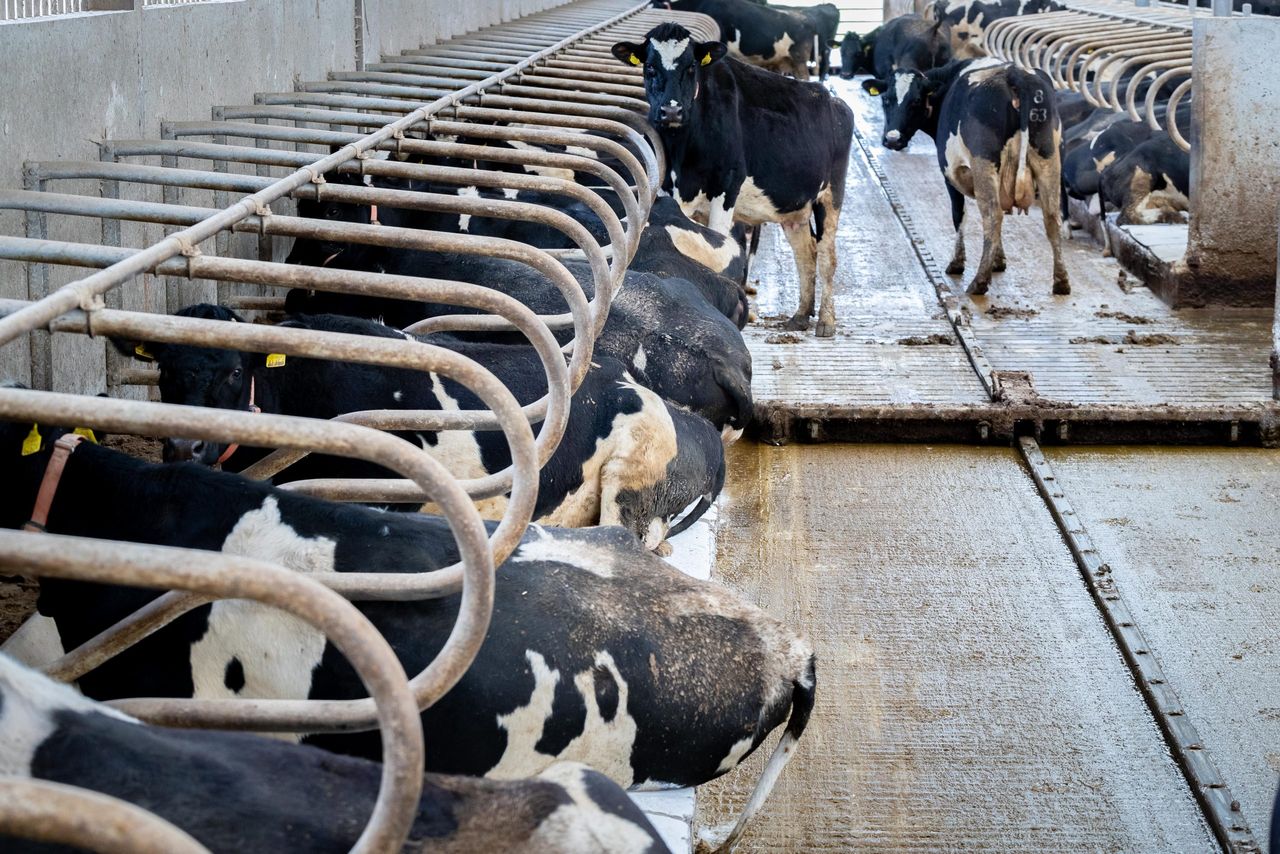
Animal Health Ireland (AHI) said that the new IBR programme will provide dairy herds with a structured, practical framework to control the disease.
Research published by AHI showed that 83% of Irish dairy herds had at least one positive case of IBR in 2024.
The amount of dairy farms vaccinating against the disease increased from 69% in 2018 to 73% in 2024.
IBR spreads between cattle and usually causes the nose and upper airways to become inflamed.
Animal health
The programme is part of AHI's new strategy covering 2026–2030 which aims to "improve livestock health and welfare, strengthen disease prevention and support the long-term sustainability of Irish farming".
The organisation said it will work with farmers, vets, advisors and industry to deliver "practical, science-based solutions to the animal health challenges facing Irish agriculture".
Under the new strategy AHI will take a more sector-focused approach, with dedicated priorities for dairy, beef, sheep and non-ruminant livestock.
There is a renewed emphasis on prevention, early intervention and making animal health information more accessible.
Over the coming years, AHI will launch a "Healthy Animal Portal" to provide a central source of animal health information and practical guidance.
A national animal health scorecard will be published annually "providing greater visibility of livestock health trends and progress".
Dairy
Among the other commitments are a new nationally Johne’s control programme and "further progress" on BVD (bovine viral diarrhoea) "freedom".
The strategy will also develop a programme focused on tackling lameness in both the dairy and beef herd.
AHI said it will deliver a sheep health programme with vets, advisors and processors, focused on anthelmintic resistance and lameness.

AHI said that its work has "already delivered significant improvements in livestock health, including a reduction of more than 97% in BVD since 2013 and substantial improvements in milk quality through CellCheck".
"The new strategy aims to build on these achievements while responding to the evolving needs of Irish farming.
"At its heart is a continued commitment to independent science, industry collaboration and practical advice that helps farmers make informed decisions to protect their animals, improve productivity and reduce disease risks," the organisation said.