One fifth of farmers did not vaccinate after BVD-positive calf

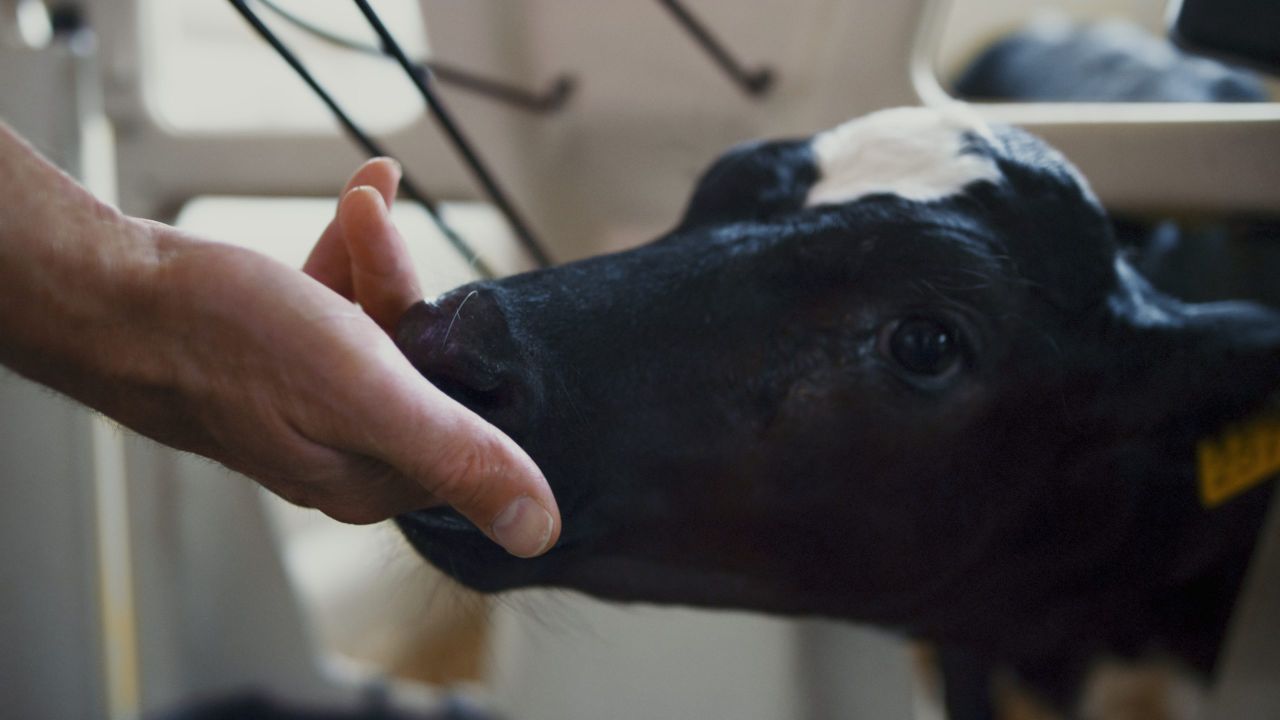
A survey by Animal Health and Welfare NI (AHWNI) of farmers who received a BVD-positive (bovine viral diarrhoea) result has found that 21% did not go on to vaccinate their herd after their first case.
Although on-farm retention of BVD positive calves has fallen in recent years, the myth that keeping one will ‘vaccinate’ the herd is still heard.
A persistently infected (PI) calf exposes other cattle to the virus in an uncontrolled and unpredictable way, according to AHWNI.
Rather than protecting the herd, keeping a PI calf only serves to spread infection, leading to temporary immunosuppression of other calves and increased susceptibility to disease, infection of early-in-calf females, and the birth of further PI calves in the following season.
PI calves shed virus continuously via their dung, saliva and nasal discharges, making them a reservoir and constant source of infection in the herd.
Their prompt removal is said to cut off the stream of virus entering the farm environment and the risk it presents to other cattle.
Survey
Farmers who chose not to vaccinate gave several reasons as part of the survey. A total of 72 farmers participated in the survey.
The most common according to AHWNI were:
- ‘It was a one-off’ or ‘we’d never had BVD before’. A PI calf sheds virus from birth, so other cattle in the herd will already have been exposed, even if the calf itself was a one-off;
- ‘The cows were too far gone in calf’. Starting vaccination now still protects cattle ahead of the next breeding season. Your vet can advise on the right timing for your herd;
- ‘The case originated in another herd’. Wherever the infection began, a PI calf born on your farm sheds virus on your farm;
- ‘Financial pressures’. Set the cost of vaccination against the cost of further PI calves, poorer fertility, abortions and disease, which can far outweigh it.
While PI calves do not ‘vaccinate’ a herd, effective vaccines are available, the AHWNI has stated.
When a BVD positive result is returned for your herd, it is worth reviewing your current vaccination protocol with your vet or, if one is not in place, seriously considering whether a vaccination programme should be started.
Vaccination is advised as 'insurance' against further BVD cases and against the fertility problems, abortions and immunosuppression the virus causes, which leave calves more vulnerable to pneumonia and scour.
The true cost of BVD extends far beyond the initial positive calf, and the advice is that vaccination works best alongside prompt removal of PI calves and good biosecurity.
AHWNI recommends that you discuss with your vet the measures that you could put in place to protect the health of your herd an increase its profitability.