Galway farmers want pilot scheme to tackle dangerous roadside trees

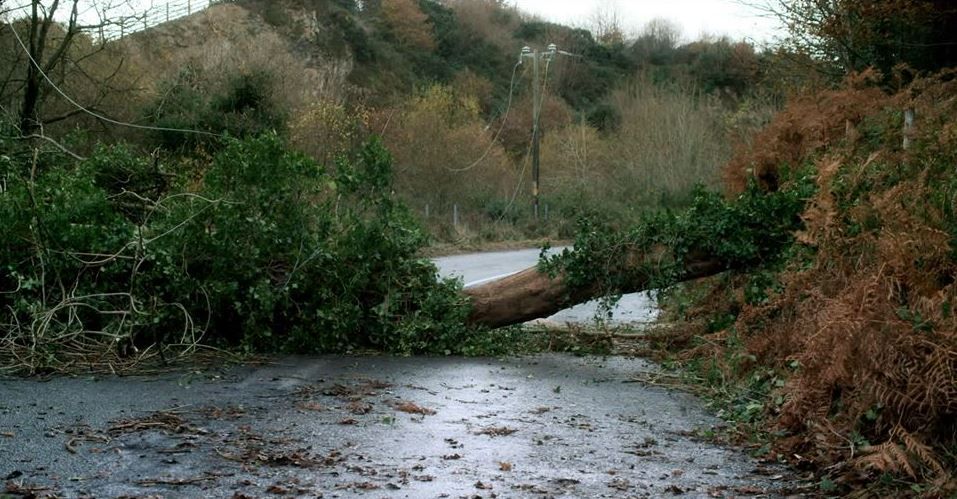
Farmers in Co. Galway have called on the local authority to introduce a pilot scheme to help tackle dangerous trees overhanging a roadside.
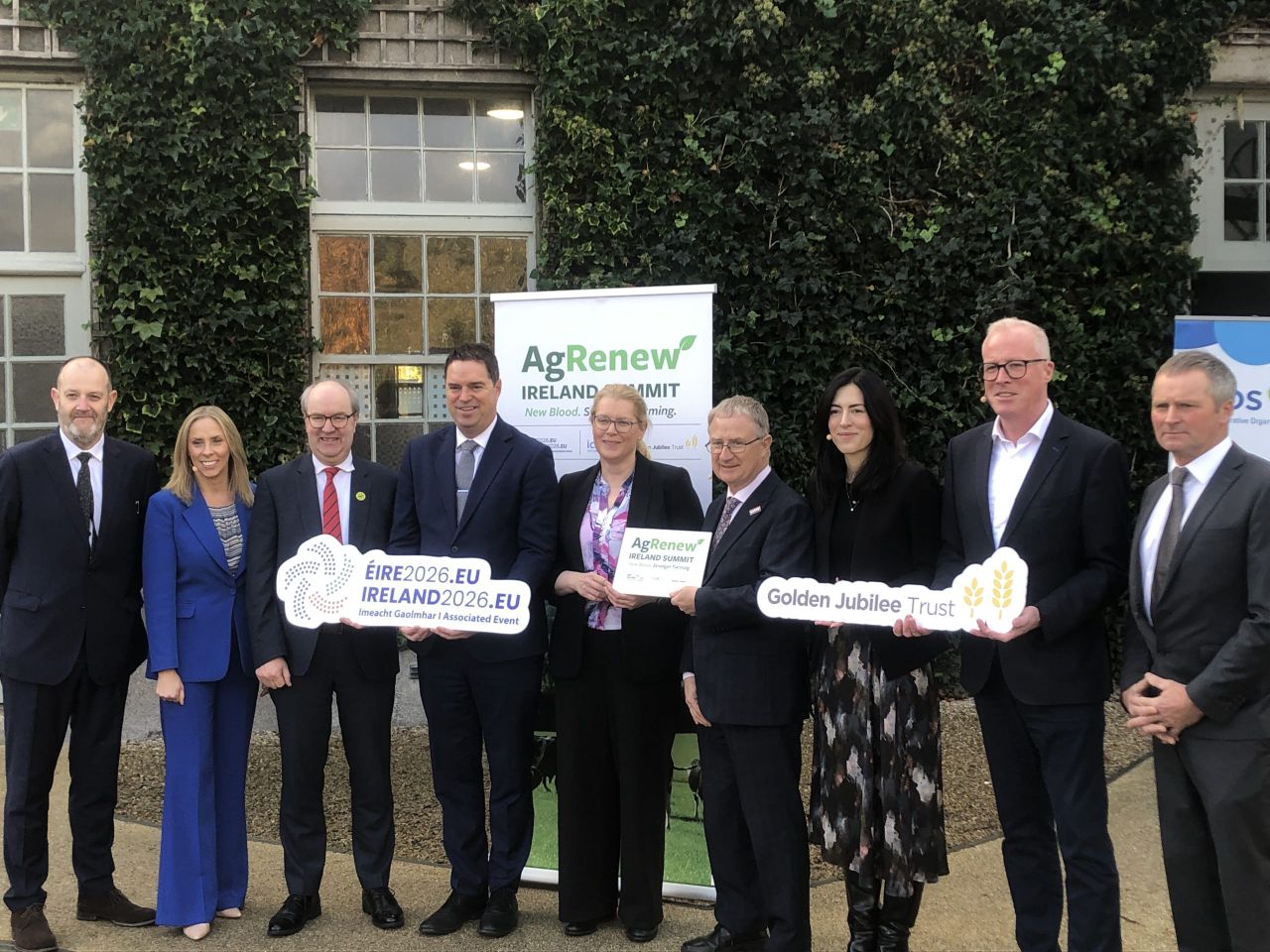
The call comes following a meeting in Loughrea last night (Wednesday, November 5) organised by the Irish Farmers' Association (IFA).
The meeting heard presentations from Galway County Council’s, Conrad Harley, who provided practical advice to landowners on the safe removal of dangerous roadside trees.
The advice from Harley was that farmers should engage registered and reputable contractors to carry out tree felling.
Wherever possible, farmers should arrange for the work to be undertaken from within the farm rather than from the public road.
Where work impacts on a public road, an appropriate traffic management plan must be put in place to protect workers and road users, according to the county council representative.
Meanwhile, Willie Storan of FBD Insurance outlined the important insurance and liability issues facing farmers undertaking such work.
Storan emphasised the importance of having adequate insurance cover when undertaking tree-felling activities.
Farmers were advised to ensure that their liability cover is appropriate and that they fully understand their responsibilities before commencing any work.
Meeting about dangerous trees
The meeting also heard contributions from local county councillors, while the role of An Garda Síochána was discussed from both a farm safety and wider public safety perspective.
A key outcome of the meeting was a call for Galway County Council to consider establishing a pilot project whereby the council would take responsibility for managing traffic and overseeing the safe removal of dangerous trees identified by landowners throughout the county.
Galway IFA county chair Micheál Haverty who chaired the meeting believes that such a scheme would provide a practical and coordinated approach to a problem that is becoming increasingly serious for farmers and rural communities.
Haverty said the initiative would require financial support from central government to ensure it could be delivered effectively.
The meeting also agreed on the need to develop a national lobbying campaign to secure adequate funding and support for a coordinated approach to dangerous roadside trees across the country.
The issue has become increasingly urgent in light of recent storms and the spread of ash dieback, which have significantly increased the number of potentially dangerous trees along public roads.
Farmers are concerned about their responsibilities and potential liabilities where mature trees on their land pose.