FAO: Global meat and dairy prices decline as sugar surges
Global prices of cereal, dairy and meat edged lower, while sugar prices rose for a fourth consecutive month during October.
As a result, the FAO Food Price Index, the benchmark measure of world food commodity prices, averaged 133.9 points in October, or a 1.6 point (1.2%) decline from its revised September level.
This was according to new data released by the Food and Agriculture Organization of the United Nations (FAO) on Friday, November 6.
The data indicated that "lower price indices across most commodity groups more than offset a sharp rise in sugar and a marginal increase in vegetable oils".
Despite the monthly decline, the index was 5.9% higher year-on-year, "but remained 16.4% below its March 2022 peak", the report said.
Cereal prices
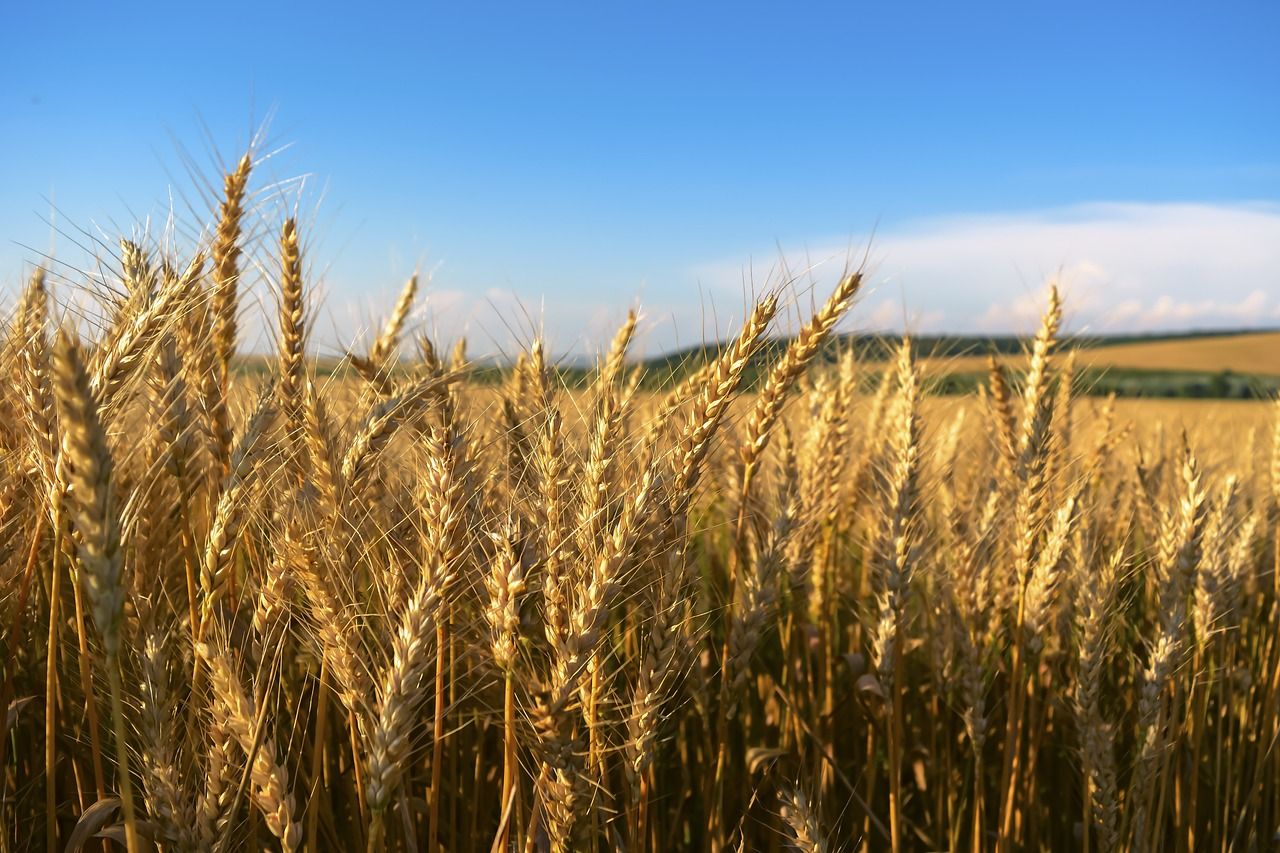
The FAO Cereal Price Index was also 4.5% lower than in September, due to a decline in global wheat prices following four consecutive monthly increases.
The report said that this largely reflected "subdued international demand and an improving production outlook, particularly in Argentina".
"Expectations of easing constraints on Black Sea export flows added to the downward pressure on prices, although continued disruptions to Black Sea logistics limited the decline."
In addition, international maize quotations also weakened following the three-year high achieved the previous month.
They were being weighed down by "harvest-related pressure in the United States, [and] expectations of ample supplies in major exporting countries in South America, [as well as] renewed prospects for an easing of tensions in the Black Sea region".
"By contrast, the FAO All Rice Price Index increased by 1.6% in October 2026, as harvest delays in some rice exporting countries added to the upward price pressure exerted by adverse weather conditions and rising costs."
Supply and demand
The forecast of the FAO's new Cereal Supply and Demand brief, also released on November 6, is that global cereal production will "retreat from its 2025 record in 2026, while remaining at its second-highest level on record (2,999 million tonnes)".
The brief said production was expected to fall across all major cereal categories, "most markedly for wheat, while coarse grains are forecast to register only a marginal decrease".
"Rice production is set to contract for the first time in four seasons, falling by 2.5% to 552 million tonnes, largely reflecting poor producer margins and El Niño-related adverse weather conditions."
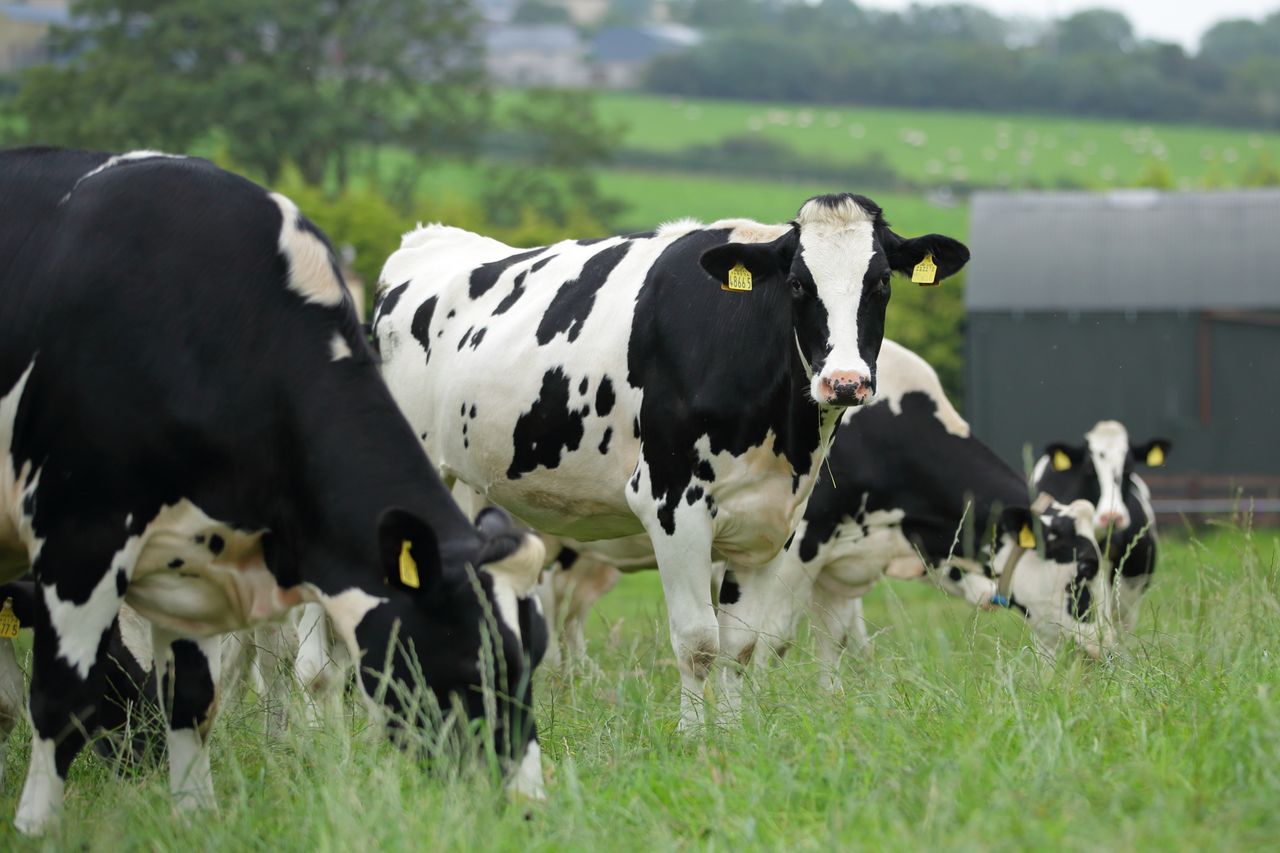
Other results from FAO Food Price Index report included a 1.2% decline in the FAO Meat Price Index compared to September, but it indicated that it will remain slightly higher year-on-year.
"Quotations declined for pig, ovine and bovine meats, while poultry meat prices remained broadly stable."
There was also 1.1% decrease in the FAO Dairy Price Index from September, "reflecting declines in international butter and cheese quotations amid ample supplies and subdued buying interest", the report said.
"The declines more than offset further increases in milk powder prices."
The 6.6% rise in the FAO Sugar Price Index marked its the fourth consecutive monthly increase, reaching the highest level since December 2024, and represents a 28.8% year-year-on year gain.
"The rise was mainly driven by rainfall-related disruptions to sugarcane harvesting and crushing operations in Brazil's key Centre-South producing region".
Concerns about production prospects in India, EU, and Thailand in the 2026/27 season further boosted prices, the report explained.