FAO food price index edges up amid weather concerns


The benchmark measure of world food commodity prices edged up in July amid weather, energy and geopolitical concerns.
The Food and Agriculture Organization of the United Nations (FAO) said recent heatwaves and energy price dynamics pushed up quotations for cereals, vegetable oils and sugar.The FAO Food Price Index, which tracks monthly changes in the international prices of a basket of globally-traded food commodities, averaged 131.1 points in July 2026.
This was up 0.6% from its June level and 1% higher than its year-earlier level.
World food prices
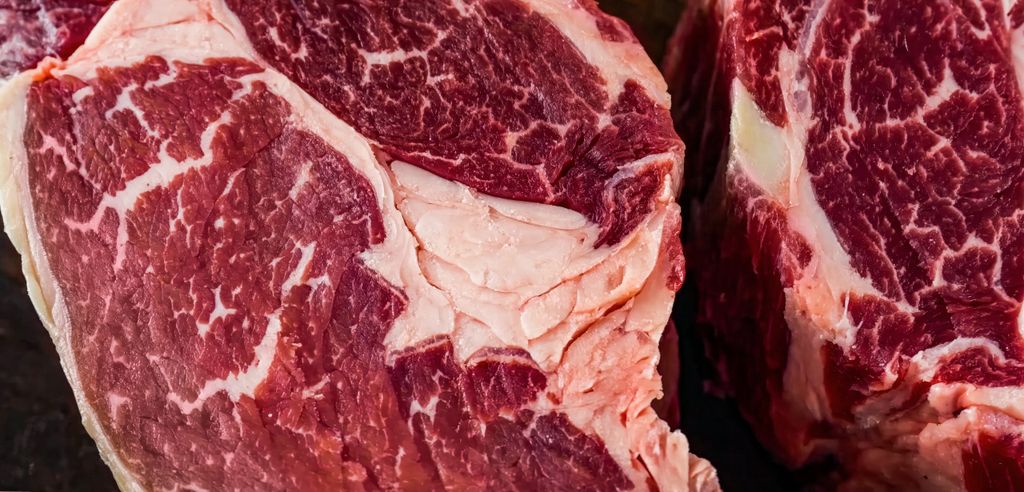
The FAO meat price index weakened by 2.8% from its record high in June, posting its first monthly decline this year.
International poultry prices decreased due largely to lower quotations in Brazil amid ample export supplies, while pigmeat quotations dipped amid abundant supplies in the EU and subdued global demand.
World bovine meat prices also eased, reflecting weaker import demand from Asia, while ovine meat prices rose to a new record high, supported by persistently tight exportable supplies in Oceania.
The FAO dairy price index declined by 0.7% in July, with quotations for whole and skim milk powders dropping along with those for butter.
Prices for internationally traded cheese rose for the first time in a year as tighter seasonal milk supplies in the EU more than offset continuing price declines in Oceania, and pressure from ample export supplies and intensified competition from the US.
Cereal
The FAO cereal price index increased by 3.4% from June, reversing its May decline, to stand 6.9% above its July 2025 level.
Global wheat prices surged by 5.8% amid heightened concerns over continued disruptions to Black Sea export flows and the likely impact of recent heatwaves on crop yields in several key producing countries.

World maize prices increased by 3.6%, supported by concerns over hot and dry weather in parts of the US and spillover effects from firmer energy markets amid heightened geopolitical tensions.
The FAO all rice price index held broadly steady in July 2026.
The FAO vegetable oil price index increased by 2% from June, reaching its highest level since June 2022.
International quotations for palm oil rose, underpinned by firm demand from Indonesia’s biodiesel sector and higher crude oil prices, the FAO said.
World soy oil prices also increased on the back of persistently robust feedstock demand in the US and stronger global import demand amid greater price competitiveness.
The FAO sugar price index increased by 5.6% in July, erasing its June decline.