Why silage testing is a smart investment

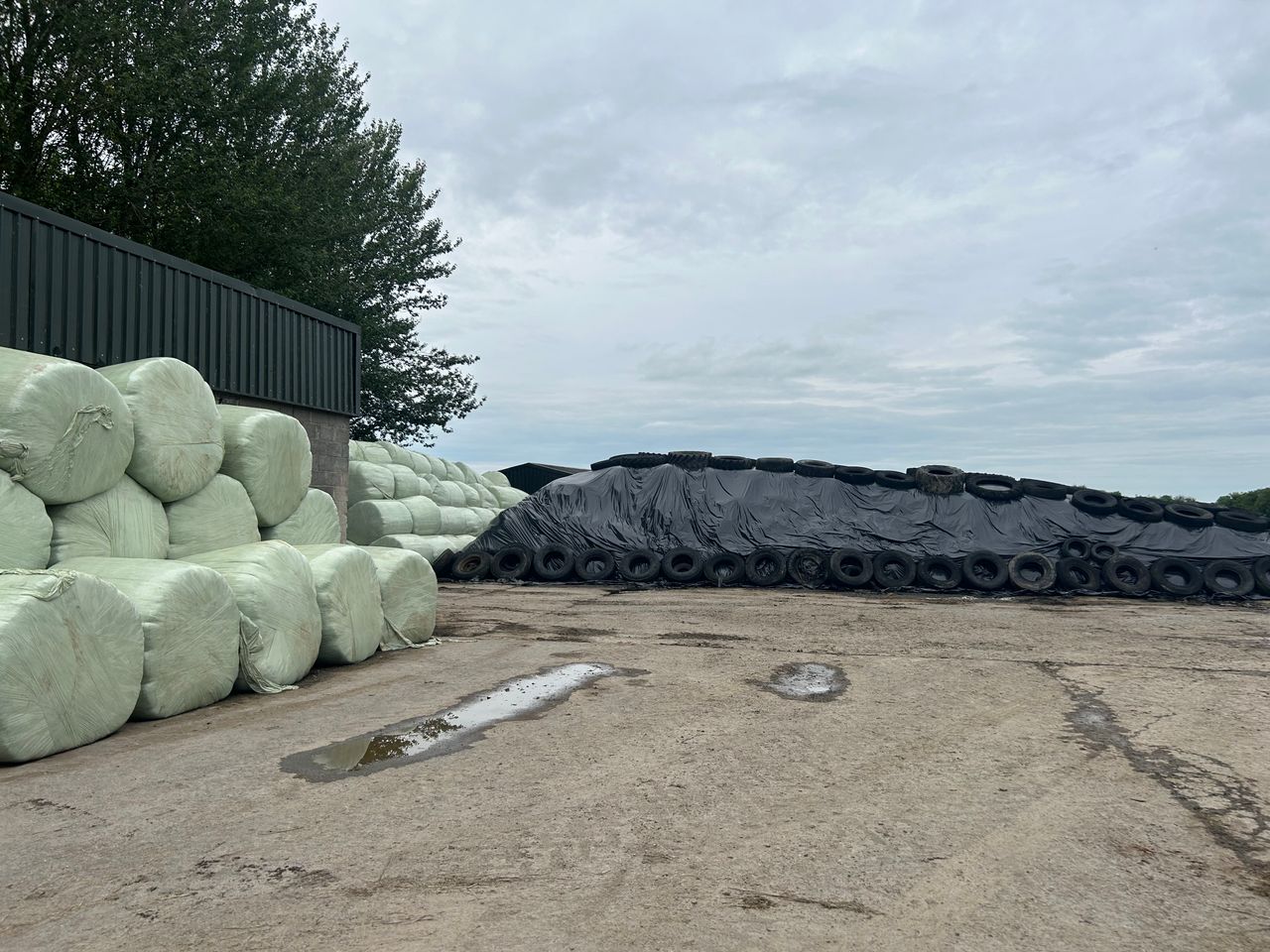
When farmers are drawing up fodder budgets this month, it may be well worth their while to silage test the crop already in the yard.
Despite the drought impacting fertiliser applications, a lot of farms will be hoping to get another cut in at the end of the month or even into September to bulk up on fodder supplies.
But with a poor spring leading to delayed cutting dates at the start of the year, and the drought likely leading to delayed cutting dates in the back end of the year, the quality of the silage in a lot of yards could be poorer than last year.
Testing your silage now will allow you to make informed decisions about what actions should be taken over the coming weeks, such as buying in fodder and pushing for more surplus bales.
Getting silage tested
The biggest variation in silage test results and particularly silage dry matter digestibility (DMD) stems from the date the crop was cut.
Realistically, farmers are only going to need dry cow silage for about 10-12 weeks of the winter.
The remaining weeks and into the spring are going to require a higher quality silage for milking cows.
Milking cows are going to need at least a 74% DMD silage for the few weeks they may be housed, as well as for the shoulders of the year when they are getting buffer fed or they need extra silage to support grazing during poor growth.
Conducting a silage test is a simple and cheap, and will give you very valuable information on this year's feed along with good guidance on what to improve for the next cut of silage.
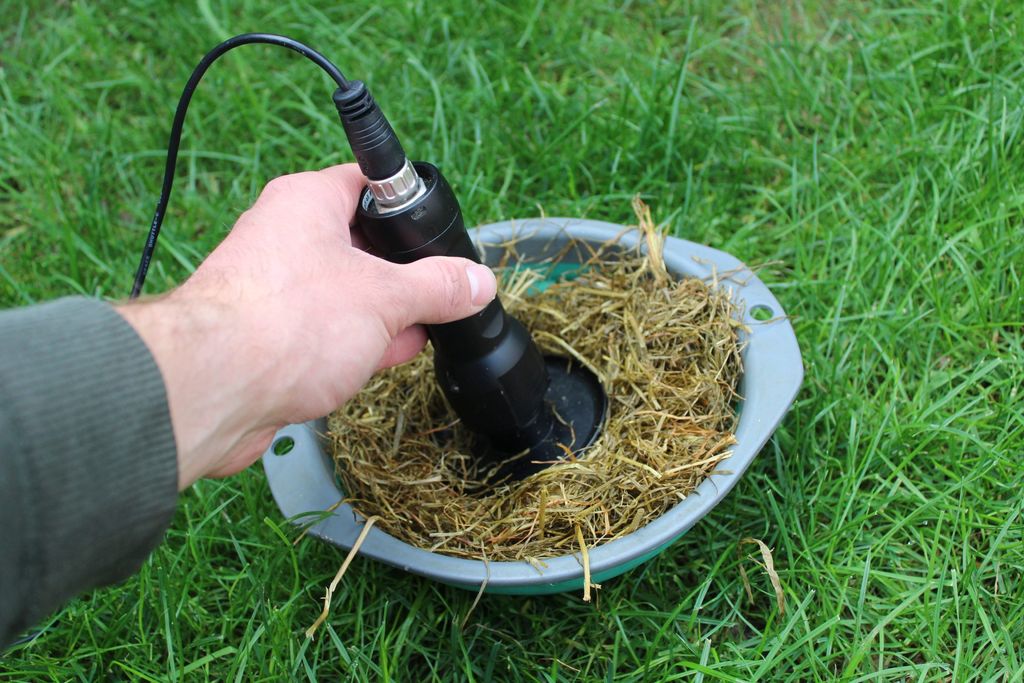
The DMD of your silage for dry cows should be between 68-70% and over 74% for milking cows and young stock.
The DMD of silage is the key determinant of the overall feed value.
When it comes to the UFL of your silage - which is an indicator of energy, as the higher the UFL, the more feed energy for milk solids - dry cow silage should be between 0.72-0.75UFL/kg, and milking cow silage from 0.83-0.88 UFL/kg.
The crude protein of silage can be impacted by the DMD of the silage and the timing and quantity of nitrogen applications.
It should be over 12% for dry cow silage and over 14% for milking cow silage.
The PDIE - which is the digestible protein in the small intestine - should be 75g/kg for dry cows and over 80g/kg for milking cows.
This is determined by the UFL and crude protein levels in the silage.
The intake value of the silage should be between 90-95g/kg live weight (LW)0.75 for dry cow silage and over 105g/kg LW0.75 for milking cow silage.
The potassium (K) content should be less than 2.2% for dry cows, as high K silage fed from two weeks pre-calving creates a milk fever risk.
For milking cows, if the K content is over 2.4%, there should be no issue.
Preservation metrics
The pH of your silage should be between 4.0-4.2 and up to 4.4 for drier crops. If the pH is too high, it indicates poor preservation and if it is too low, intakes may be affected.
High ammonia also indicates poor preservation and reduces intake, so it should be less than 8% nitrogen.
Higher values of lactic acid indicate a stable and palatable silage, as ideally it should be between 8-10% of lactic acid DM while high ash indicates soil contamination and should be less than 8% DM.
Testing silage needs to be done on every farm, and especially when cows are going to be milking off this silage, as dietary decisions to ensure maximum milk production need to be conducted based off silage quality.
Having good quality silage will allow farmers to produce milk from mainly silage, which will reduce winter feed costs and increase profitability during the housed period.