The unspoken 'guilt' of not taking over the family farm
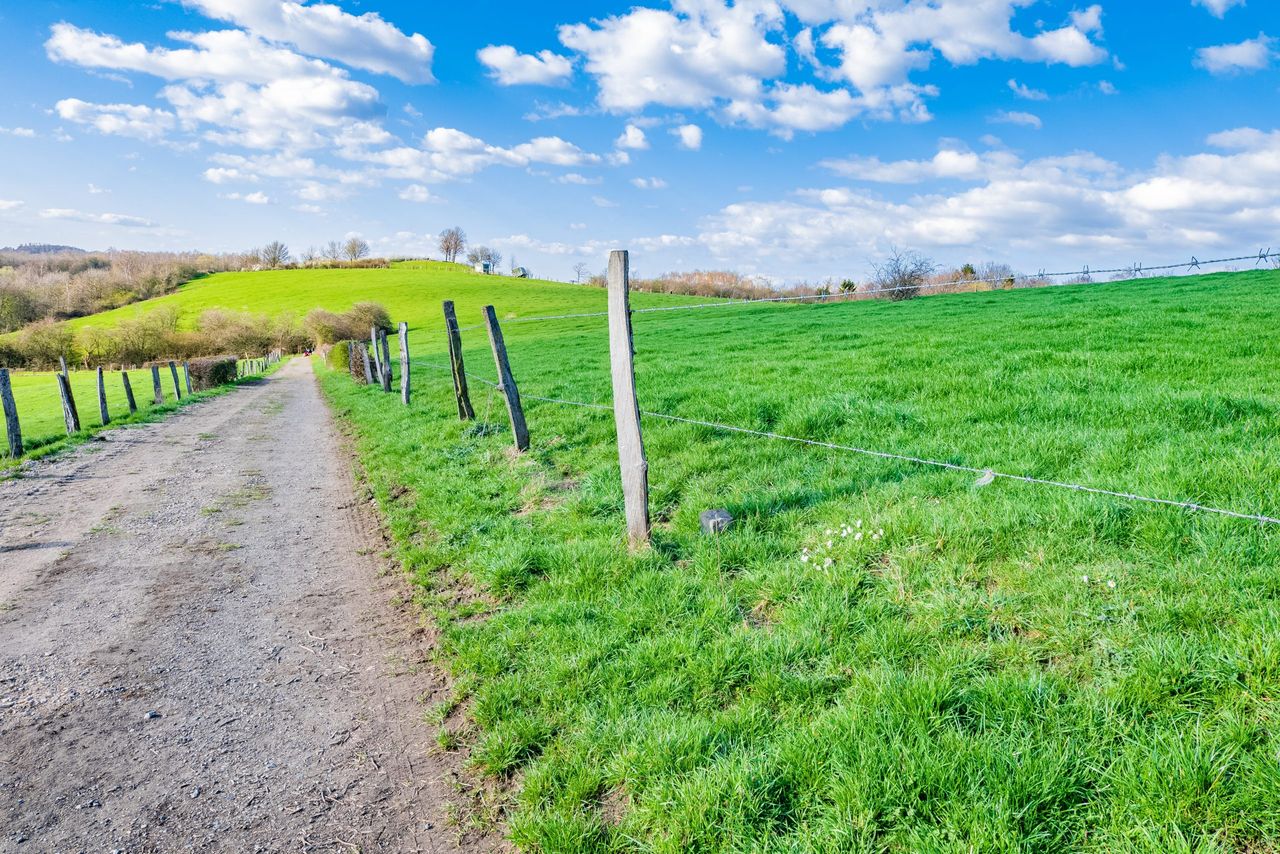
For many young people who grow up on a family farm in Ireland, leaving home to pursue a different path can bring with it a "sense of guilt".
Research carried out in Ireland suggests that many young people who move away to take up education and career opportunities or to build a life of their own, never shake the feelings of guilt for leaving the farm behind.
There are few things in Ireland as deeply rooted in family, identity and emotion as the family farm.
Passed down through generations, often at great personal cost, it is a legacy built on years of hard work, where every field counts.
But that inheritance often comes with an enormous weight of responsibility and a huge pressure to hold on to what has been handed down.
According to Jack Sweeney from the FarmFaMHealth project at Dublin City University (DCU) while many young people may actively want to return to the farm, for some, financially it does not add up.
The FarmFaMHealth project, led by Dr. Anna Donnla O’Hagan and Professor Siobhán O’Connor at DCU, found that the boundaries between work and home life are "often blurred" on a family farm which creates very particular pressures.
The project has highlighted the "unseen and overlooked mental health struggles" of Irish farm family members, including partners, parents and children.
Speaking at the SafeHabitus Conference which brought government ministers, EU institutions and researchers from over 20 countries together in Dublin last week, Sweeney highlighted that the emotional bond with a family farm does not simply disappear, even if you walk away from it.
Sweeney told the conference that the DCU research shows that family members - whether they are partners, parents or children - have "a massive sense of pride" in their family farm.
Even if family members work off-farm, the family farm is still "deeply integrated into personal identity" and they have "a massive sense of pride" in the farm.
According to Sweeney even for family members who have moved away from farming, as adult children or who had married into a farm but not come from one themselves, the family farm remains "central" to their lives.
But he also told the conference that these ties can create a "unique stress situation" with family members from children to spouses who are often the "invisible workforce" on a farm.
According to Sweeney family members develop a deep "shared purpose" which connects individuals to each other through working the farm and can create a multi-generational bond.
However, he has also warned that with over a third of farmers now aged over 65, the one issue that family farms cannot ignore in 2026 is the "passing of the torch".
Sweeney told the conference that "succession hurdles" need to be tackled not only to secure the future of a farm but to also ease the "emotional guilt and financial anxieties experienced by non-successor offspring".