Prime cattle supply uncertain as Christmas demand looms

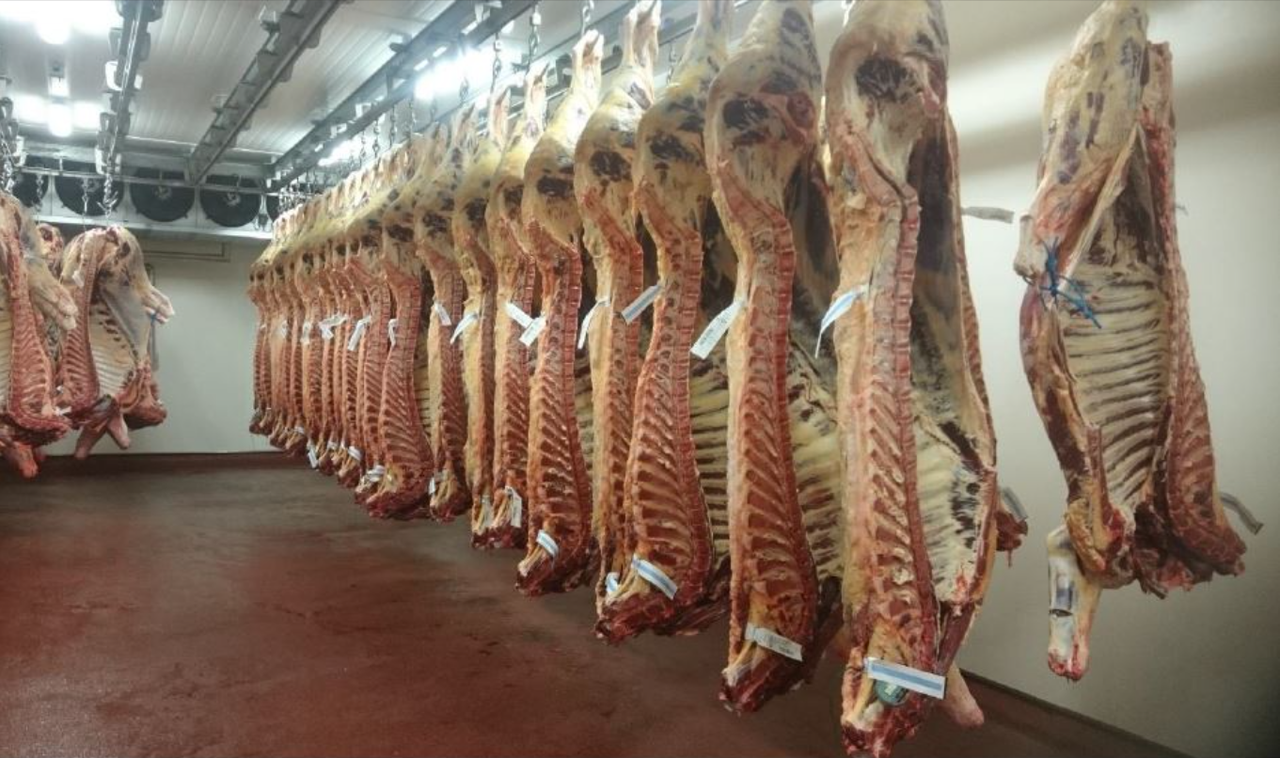
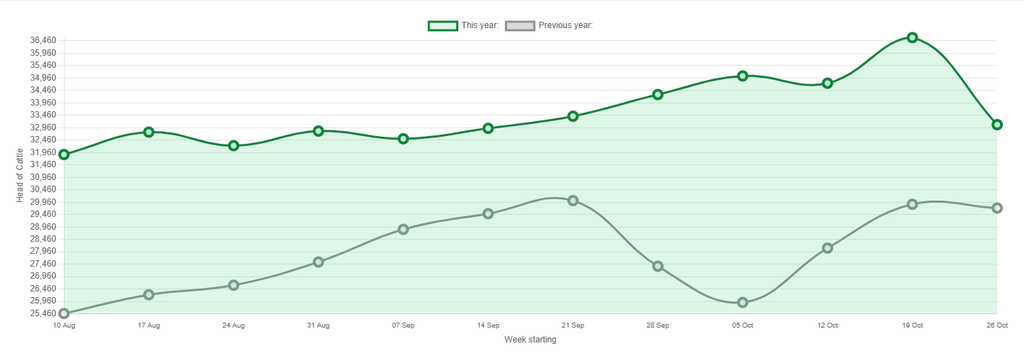
Weekly beef kill figures have remained marginally higher than last year during the second half of this year.
By November 1, the weekly beef kill figures for this year was 0.2% higher that of last year, or 2,400 head.
When compared to the figure for June this year, at 75,500 head, it indicates a 9.7% decline on the figure for the corresponding period last year.
Earlier this year, Bord Bia forecast that the 2026 beef kill numbers were expected to be on par or slightly below those of 2025.
However, this factory cattle supply forecast has since been revised to an estimated 1.63 million cattle, or approximately 30,000 head more than the 1.6 million cattle slaughtered last year.
The table below details weekly beef kill numbers in the week ending October 18, compared with the same week in 2025; the cumulative beef kill-to-date this year compared with 2025; and the change in numbers and percentages:
| Animal Type | Week ending Sun, Nov 1 | Same week last year | Difference | Cumulative 2026 | Cumulative 2025 | Cumulative Difference |
|---|---|---|---|---|---|---|
| Bulls | 380 | 332 | +48 (+14.5%) | 21,715 | 20,699 | +1,016 (+4.9%) |
| Cows | 7,104 | 6,867 | +237 (+3.5%) | 292,818 | 298,192 | -5,374 (-1.8%) |
| Heifers | 10,497 | 8,993 | +1,504 (+16.7%) | 411,638 | 417,307 | -5,669 (-1.4%) |
| Steers | 13,498 | 12,442 | +1,056 (+8.5%) | 537,648 | 528,048 | +9,600 (+1.8%) |
| Young Bulls | 1,603 | 1,089 | +514 (+47.2%) | 90,610 | 87,759 | +2,851 (+3.2%) |
| Total | 33,082 | 29,723 | +3,359 (+11.3%) | 1,354,429 | 1,352,005 | +2,424 (+0.2%) |
Last week saw the 2026 beef kill figures to date surpass those of 2025.
Based on the Bord Bia cattle-supply forecast, stronger kill numbers are expected to continue to the end of the year.
The cumulative cow kill figures for this year to date has been down 1.8% or 5,300 head.
It is still unclear how strong prime cattle supplies will be in the lead up to Christmas.
The graph below illustrates how this year's kill numbers have increased compared with last year:
Beef finishers and procurement staff have indicated that beef price movements between now and the end of the year will hinge primarily on the demand for Irish beef in the lead up to Christmas.
High demand will clear out cold stores as factories rush to fill orders for key customers.
Conversely, weaker festive season demand will leave processors less eager to increase kill numbers or compete for additional cattle.