UK beef market shift threatens Irish exports amid sales decline
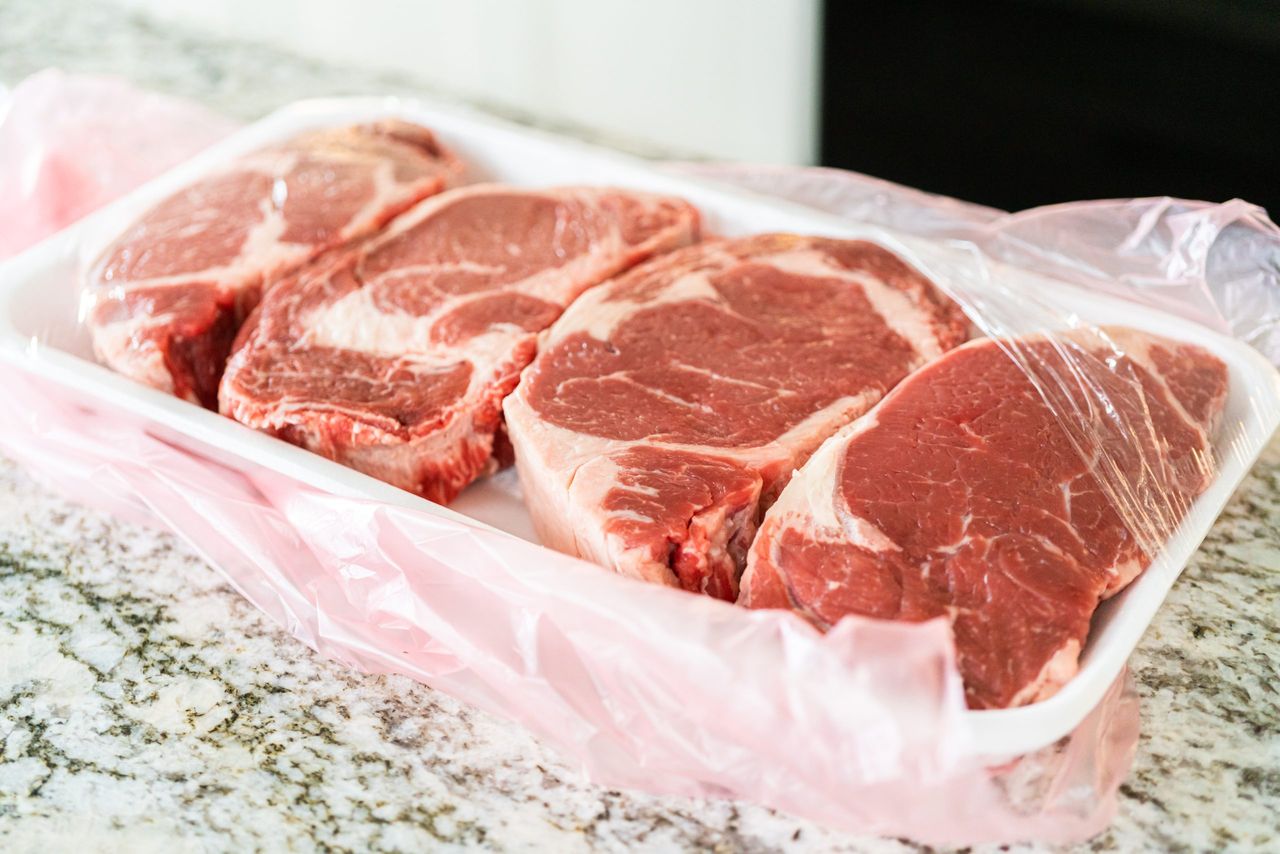
A new report on red meat retail performance in the UK has shown that red meat volumes have declined 1.5% year-on-year.
Although less red meat was sold overall in the 12 weeks to August 9, data from Worldpanel by Numerator UK shows that total spending was up 1.8% due to higher average prices.
This was according to an analysis by the Agriculture and Horticulture Development Board (AHDB).
AHDB retail and consumer insight analyst, Lucy Rabjohn, said beef saw a total volume decline of 2% year-on-year, but there was a 3.3% increase in spending as a result of a 5.4% average price increase.
For total primary beef products, spend increased 3.2% year-on-year, while volumes declined 3.1%.
Total lamb volumes declined 6%, but a spend increase of 2.4% was recorded, as higher average prices continued to place pressure on demand across the category.
For total primary lamb products, spend declined 2.1% year-on-year, while volumes fell 10.5%.
Rabjohn explained: "Beef mince saw the greatest actual decline (-2,237 tonnes), falling 7.8% year-on-year, driven by a decline in volumes purchased per trip, as well as fewer buyers.
"It seems that higher average prices (+7.6% year-on-year) continue to impact demand.
"In contrast, beef steaks (+13.4%) were in volume growth."
Rabjohn said this gain was driven by more buyers and increased beef steak volumes purchased per trip.
This growth can be attributed to strong promotions, with a 10.7 percentage point increase in the volume of beef steaks sold on promotion when compared to last year.
Processed beef
Total processed beef sales also saw strong growth, with volumes increasing 9.9% year-on-year, Rabjohn said.
Burgers and grills (value-added processed meats designed for rapid cooking) drove this growth, with volumes up 13% (+2,166 tonnes).
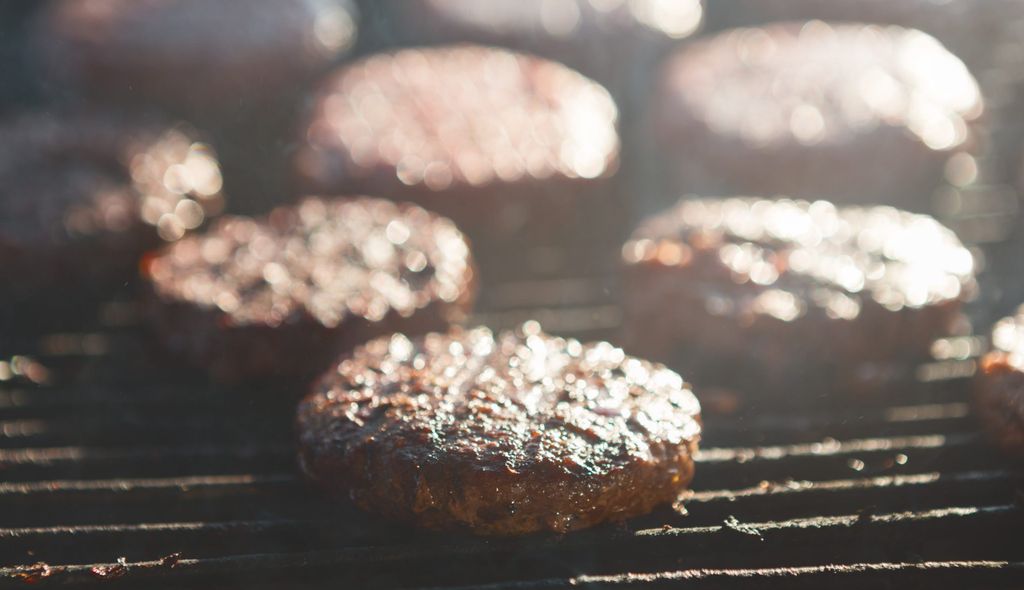
Sliced cooked meats also saw volume growth (+3.4%).
Burgers and grill sales, in particular, were aided by promotional activity, with 17.5 percentage points more volume sold on promotion year-on-year.
"Strong sales of beef steaks and processed beef may have been helped by warmer weather, which encouraged more people to buy steak cuts and products for grilling," Rabjohn said.
"Growth may also be a result of a growing interest in ‘big nights in’, where customers are eating out less and buying special, more premium meals for the home instead."
Total added-value beef volumes were also up, increasing 0.5% year-on-year, despite spend being down 0.3%.
UK market
Given the importance of the UK market for Irish beef, any declines in purchases could have a knock-on effect.
Beef is Ireland's leading agri-food export to the UK, increasing by 19% year-on-year to a value €1.7 billion in 2025.
Since 2021, Irish beef exports to the UK have increased 60% by value, as previously reported.
However, earlier this summer, stark warnings were issued that the UK beef market had shifted dramatically, undermining Ireland’s once-dominant position as the supplier of almost 80% of all UK beef imports.
Ireland's share of the UK import market fell to 67% in 2025, according to the chairperson of Meat Industry Ireland (MII), Philip Carroll.
This industry association represents primary beef, pork and lamb processors.
The UK’s post-Brexit free trade deals with Australia and New Zealand - combined with rising Brazilian imports - have reportedly significantly changed the landscape for Irish beef exports.
Minister for Agriculture, Food and the Marine, Martin Heydon, visited the UK earlier this month in collaboration with Bord Bia for a series of meetings to support and promote the Irish beef sector in this market.
CEO of Bord Bia, Jim O’Toole, said the UK was Ireland’s nearest, largest and most valuable market for beef, and "protecting our position requires sustained engagement and strong trading relationships".
"At a time of significant change across the market, it is particularly important that we continue to show up, listen to our customers and partners, and understand the shared opportunities and challenges facing both the Irish and British beef sectors."