Irish horses shine as bitless show classes put horsemanship first
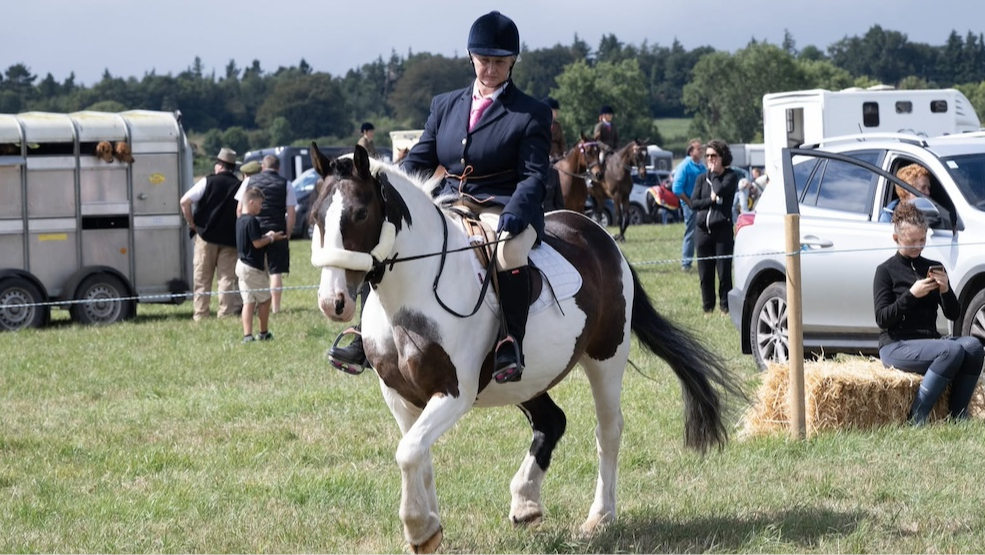
Three Irish agricultural shows have hosted bitless showing classes this August, with the 4th and final class in the series taking place at Clonshire Show, Co. Limerick, tomorrow (Sunday, August 30).
Following classes at Bansha Show, Iverk Show, and Limerick Show, the series has already produced displays of great horsemanship, with Connemaras, cobs, ex-racehorses and western horses among those taking part.
That's according to the series sponsor, equestrian author and film maker, Elaine Heney, who lives on a drystock farm in Co. Tipperary.
She said: "Some competitors have ridden bitless for years. Others made the change only days or weeks before entering the show ring.
"Yet across all three shows, the same qualities have stood out: relaxed horses, thoughtful riding, good training and confident partnerships."
The series was created to give riders the opportunity to compete without a bit and to encourage a wider conversation about horse welfare and rider choice in equestrian sport.
Heney explained: "These classes aren't about saying that every horse should be ridden bitless; they're about recognising that horses are individuals.
"Some horses may be happiest in a bit, while others may be more comfortable without one.
"Ultimately, I'd love to see a future where riders can choose whichever option suits their horse best."
Bitless classes
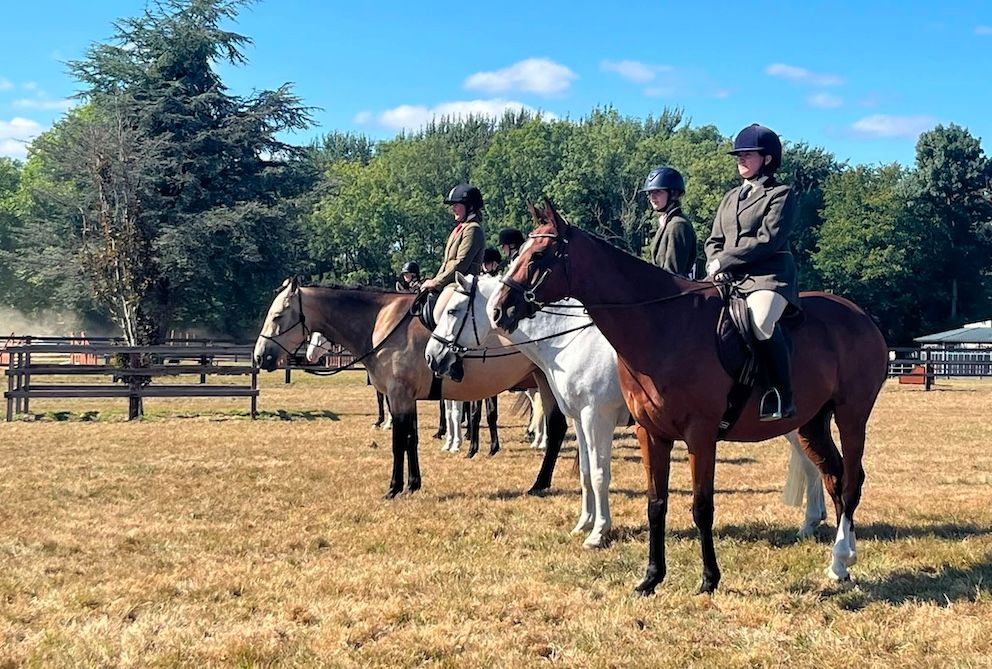
The first class took place at Bansha Show, Co. Tipperary, on August 19, bringing English and western riders into the same show ring, with horses competing in a variety of bitless equipment including sidepulls and bosals.
Cait Hennessy from Clonoulty won the inaugural Bansha class.
One comment overheard at the ringside stayed with Heney long after the results had been announced: "It must be lovely for the horses."
Three days later the series moved to Iverk Show, Co. Kilkenny, where the bitless class was the final class of the day in riding horse ring three.
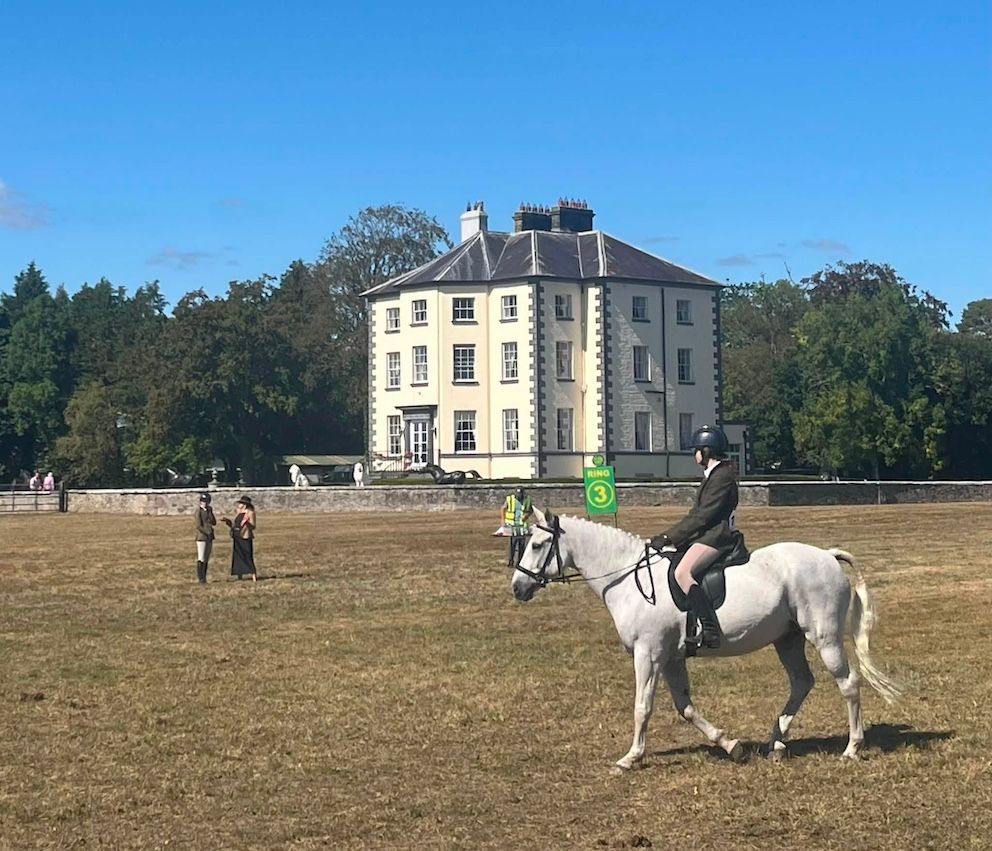
"The field included a wonderful variety of horses, among them an ex-racehorse that had already performed well in the novice racehorse to riding horse class earlier that day; Western horses; and a Connemara named King, that had only started riding bitless that week and was already going equally happily with or without a bit," Heney said.
The class attracted a large ringside audience, including spectators who had travelled to Iverk specifically to see the bitless horses.
According to Heney, the two experienced show judges were impressed by the confidence and relaxation of the horses and the standard of horsemanship on display.
"Choosing the final placings proved difficult, with the judges commenting that every horse in the ring deserved recognition.
"The series continued the following day at Limerick Show, where once again Irish horses demonstrated their adaptability and versatility," she said.
Among the horses taking part were eight-year-old skewbald cob Molly, who had started riding bitless just a week earlier, and 10 year-old registered Connemara mare Galtee Gracie, by Kinvara Boy, who had started riding bitless only three weeks before the show.
"Watching horses adapt so quickly has been one of the most fascinating parts of the whole series.
"Our Irish horses are incredibly versatile and intelligent.
"They can turn a hoof to almost anything when we give them the time, training and confidence to understand what we're asking," Heney said.
Individuality
One of the most popular features of the new classes has been the individual demonstration.
Rather than simply repeating the traditional walk, trot, canter and figure-of-8 show piece, every rider is given approximately two minutes to demonstrate their horse's individual training and abilities.
Across Bansha, Iverk and Limerick, riders have demonstrated lateral work, leg yields, sidepassing, rein-back, turns on the forehand and turns on the haunches.
The emphasis is not on extravagant movement, but on communication, willingness and harmony between horse and rider, according to Heney.
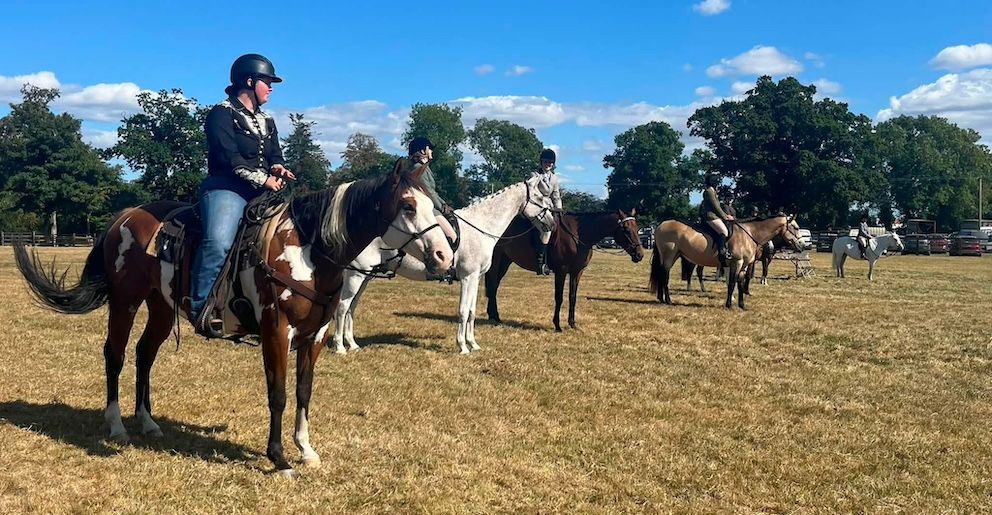
"I deliberately wanted the individual demonstration to give riders the freedom to show us what their horse can do," Heney said.
"If your horse can do a beautiful leg yield, a rollback, Spanish walk or something completely different, this is your opportunity to show it.
"What matters isn't how complicated the movement is. What matters is the quality of the movement and how horse and rider work together."
The bigger ambition is choice for every horse. For Heney, the August classes are about more than establishing a separate category for bitless horses.
She explained: "The longer-term ambition is that one day a separate bitless class may not be necessary at all.
"I would love to see a time when ordinary show classes can simply be ridden with or without a bit, with the rider free to choose whichever equipment best suits that individual horse.
"Ultimately, it shouldn't be about 'bitted horses' versus 'bitless horses'. It should be about good horsemanship and giving people the freedom to make thoughtful choices for the horse in front of them.
"If a horse is relaxed, safe, well trained and performing happily without a bit, I would love to see that horse able to enter the same class and be judged on the same merits."
Heney hopes that choice could eventually extend beyond the show ring.
"I'd love to see more opportunities for bitless horses across equestrian sport, including riding club competitions, dressage tests and showjumping.
"Riders shouldn't necessarily have to change equipment that works well for their horse simply because they want to enter a competition.
"Giving riders a choice doesn't mean taking anything away from those who choose to ride with a bit.
"It simply means allowing both, where it is safe and practical to do so, and letting riders use what suits their individual horse best."
For Heney, this is where horse welfare and good horsemanship meet.
She explained: "Horse welfare isn't about choosing one piece of equipment and declaring it right for every horse. Horses are individuals.
"Good horsemanship means listening to them, noticing what makes them comfortable and confident, and being prepared to adapt."
The 4th and final class in the 2026 series takes place at Clonshire Show, Co. Limerick, tomorrow, Sunday, August 30.
After the response at Bansha, Iverk and Limerick shows, Heney hopes the classes are only the beginning of a much wider conversation.
"Three shows down, and I have been so impressed by the horses and riders we've seen," she said.
"We've seen kind hands, thoughtful training, relaxed horses, and some wonderful horsemanship."