Number of calves vs suckler-bred weanlings sold at marts revealed

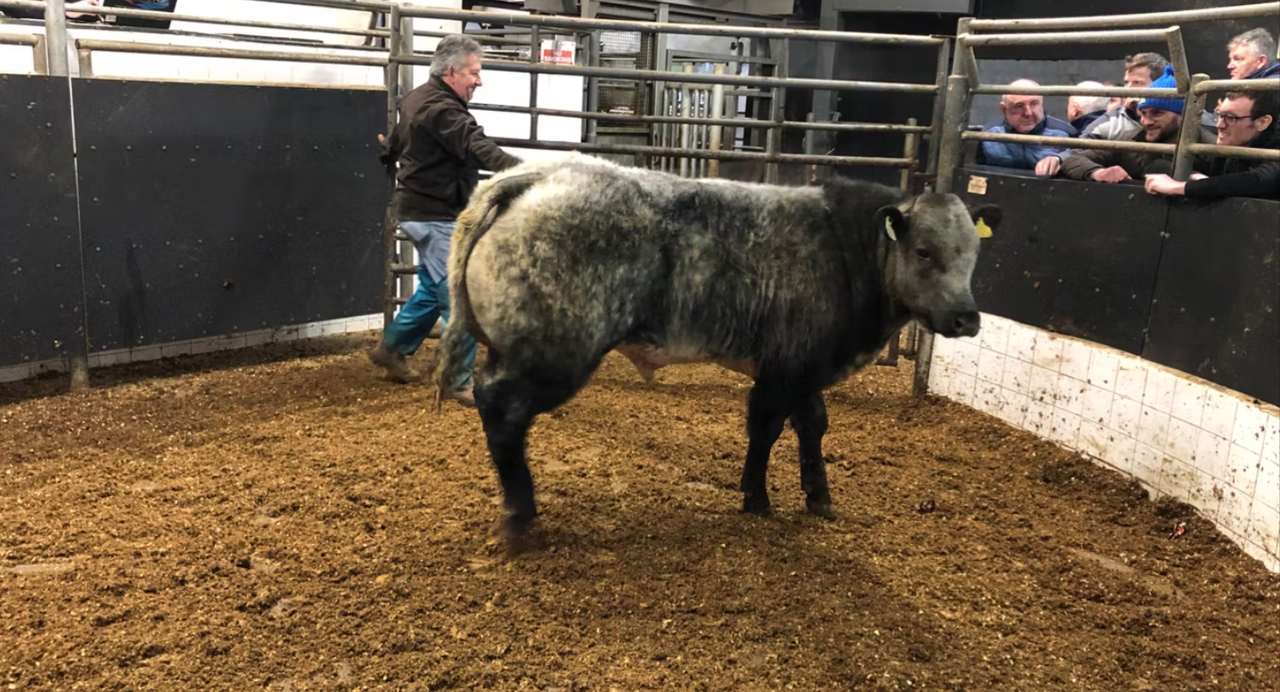
More suckler-bred weanlings were sold at marts in 2023 and 2024 than than calves under six weeks-of-age.
However, 2025 bucked this trend with the number of calves under six weeks-of-age surpassing the number of suckler weanlings sold at marts.
This trend is surprising given that approximately 70% of the calves born in Ireland in recent years are dairy-bred, with the remainder being suckler-bred.
The Department of Agriculture, Food and the Marine (DAFM) AIM Bovine Statistics Report for 2025 shows that of the 2.28 million (2,283,107) calves registered in Ireland in 2025, 715,685 (31.3%) were suckler-bred and 1.56 million (68.7%) were dairy-bred.
The table below details the number of calves under six weeks-of-age sold at the mart from farmer and dealer herds and the number of suckler-bred weanlings under 12 months-of-age from farmer and dealer herds that were sold at the mart in years 2023, 2024 and 2025:
| Year | Calves under 6 weeks | Calves under 6 weeks | Suckler weanlings under 12 months | Suckler weanlings under 12 months |
|---|---|---|---|---|
| - | Farmer | Dealer | Farmer | Dealer |
| 2023 | 288,238 | 510 | 265,402 | 3,404 |
| 2024 | 252,319 | 744 | 259,182 | 4,098 |
| 2025 | 255,612 | 743 | 276,042 | 4,425 |
Every spring, in line with peak spring-calving season on dairy farms across Ireland, marts across the country see huge volumes of calves bred from the dairy herd traded on a weekly basis.
However, the vast majority of suckler-bred calves are traded in the autumn with the majority of these aged from 5-12 months-of-age at sale.
Some suckler-bred calves are sold at marts as calves also but these account for a very small percentage of the overall calf sales.
The significant uplift in calf prices throughout spring 2025 likely attributed to the higher number of calves being sold at marts last year as farmers chose the mart as the best outlet to determine calf price.
The DAFM figures on calf and weanling sale numbers show the important role of suckler-bred progeny as well as dairy-bred calf sales to the viability of livestock marts across Ireland and their role in the wider Irish rural economy.