DAFM: Irish bluetongue vaccine supply secure amid UK case surge

The Department of Agriculture, Food and the Marine (DAFM) foresees no difficulties with vaccine supply for the bluetongue virus (BTV).
A DAFM spokesperson said that to date, the department had licensed more than 5.7 million doses of BTV vaccines for use in Ireland.
The Irish government has officially permitted the use of bluetongue virus serotype 3 (BTV-3) vaccines for cattle and sheep since January 1, 2026.
Currently, five wholesalers hold licenses for the importation of BTV-3 vaccines in Ireland, according to DAFM.
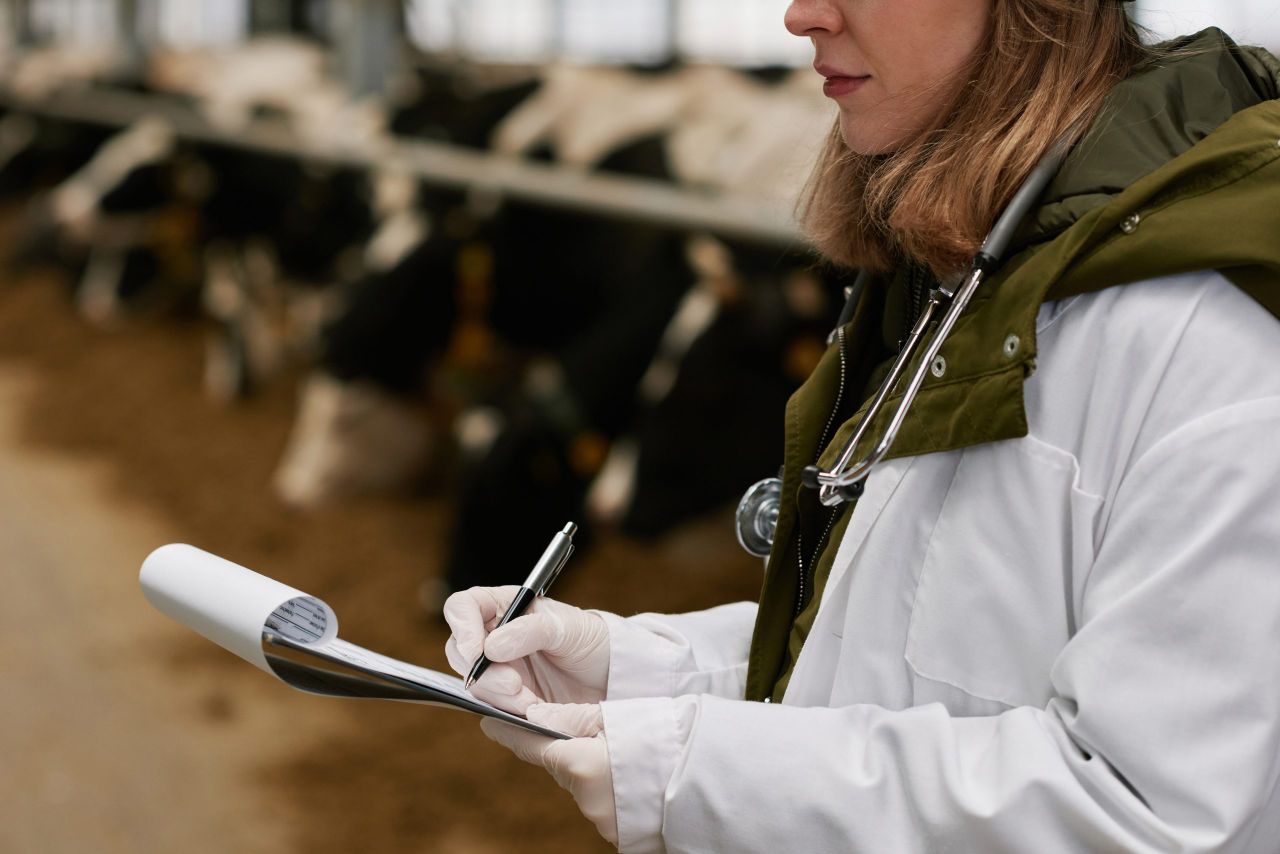
"Vaccination remains the most effective measure against the bluetongue virus.
"Accordingly, livestock owners are encouraged to consult their private veterinary practitioners in deciding whether vaccination is right for their animals," the spokesman said.
UK cases
The department said it was aware of the high number of BTV-3 cases that had been detected in Great Britain recently and was "monitoring the situation closely".
A total of 684 cases of the BTV-3 strain has so far been confirmed in the UK during the 2026/2027 bluetongue season.
A further 2,504 potential cases of bluetongue are currently under investigation in Great Britain at premises where suspicious clinical signs have been reported.
Irish bluetongue situation
DAFM said it was "not possible to predict with certainty how the bluetongue situation will develop in Ireland this year or next".
The first case of the BTV-3 viral strain in Ireland was confirmed in a suckler herd in Co. Wexford during January.
To date, surveillance has identified the presence of the BTV-3 strain in additional herds in counties Wexford, Wicklow, Louth, Laois, Monaghan, Kildare, Cork, and Tipperary.
Investigations found that these cases were "historic" and could be traced back to the previous autumn period.
"The risk of disease incursion and spread is influenced by a range of factors, including the epidemiological situation in neighbouring countries, weather conditions, and vector activity," the DAFM spokesperson said.
"The department continues to monitor developments in the UK and elsewhere in Europe closely, together with relevant surveillance and meteorological information."
The spokesperson added that there were no public health risks associated with bluetongue, and said it did not affect human health or food safety, emphasising that meat and dairy were safe to consume.