Teagasc's top tips for farmers' health


While farm safety is regularly discussed and promoted by farm organisations and the government, the issue of farmer health can often be overshadowed, though it is just as vital for a farm business.
A new report by Michael McKeon, Teagasc pig specialist, discusses why looking after your health is extremely important for farmers.
McKeon compares people to cars, highlighting that while people bring their car in for a service two to three times per year "as we know it’s bad for the engine if it is not serviced regularly... it may often be years between our doctor visits and even then, we only go when there’s an issue."
Health concerns
McKeon went on to cite research by Dr. Breda Smyth into farmer mortality rates to highlight the poor state of farmer health.
Her research found that farmers experience five times higher cardiovascular issues, three times higher cancer and seven times higher mortality in the working age range than ‘white collar’ workers.
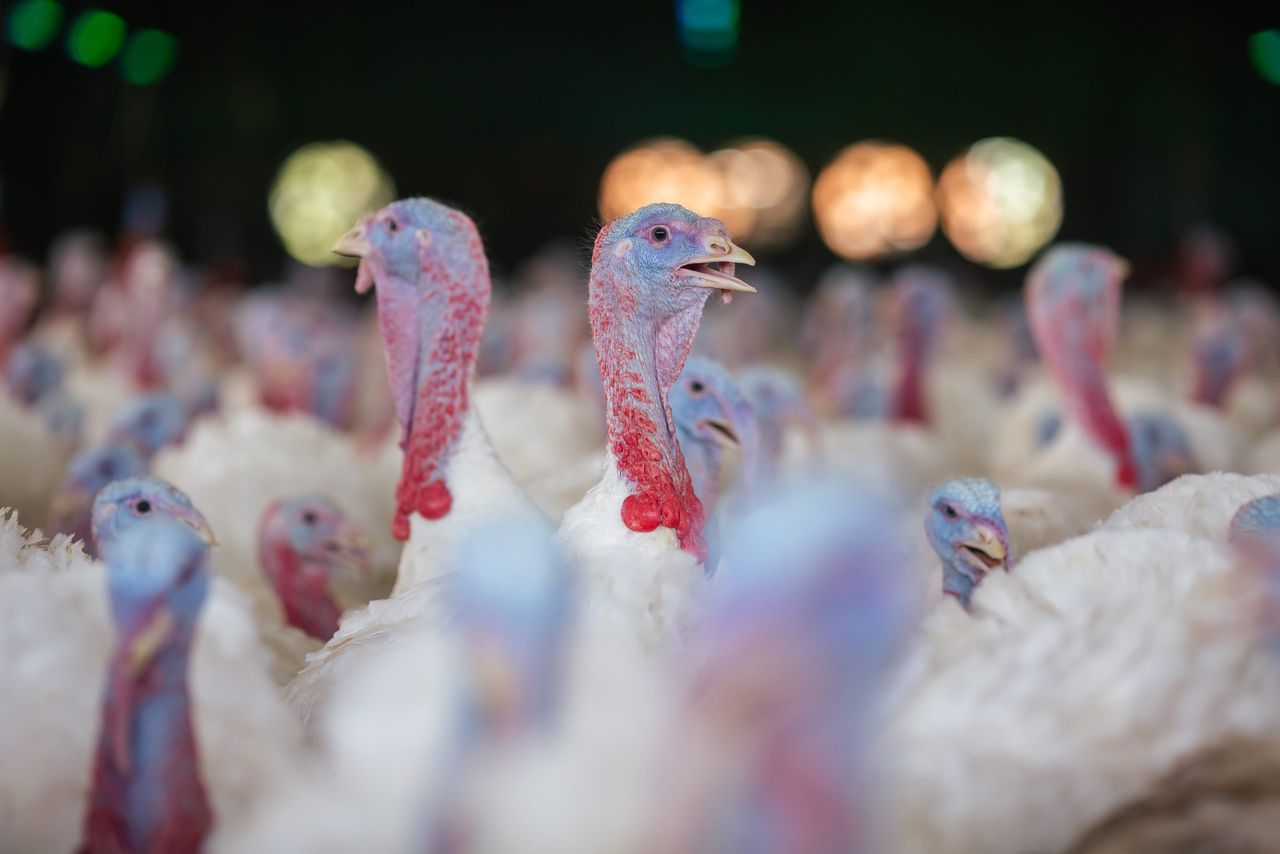
McKeon added that those involved in pig farming "may be more active than the average farmer" as tractor work isn’t a big element.
Despite this, McKeon pointed out that much of this activity is slow-paced walking, which does not elevate the heart rate.
In addition, farmers spend most of their time walking in wellingtons or work-boots, which McKeon warned "can put extra strain and wear on ankle, knee and hip joints," due to their poor foot support.
According to the Teagasc adviser, a significant health risk in pig farming is stress.
"The sector often experiences periods of low/no profitability for some months.
"Often a temporary solution during these periods is to work harder and longer hours to try to achieve/maintain some level of profitability.
"Unfortunately, this reduces the time available to ‘switch-off’ from work in the evenings or weekends which further contributes to increased tension." McKeon explained.
He returned to his analogy of the human body and the engine, to highlight that while the body can deal with short bouts of stress, over longer periods it can lead to ill-health, either mentally or physically.
Below are some health tips suggested by McKeon:
- The biggest thing is to ‘book the body in’ for a check-up with your GP. Blood pressure and cholesterol are accurate early warning indicators.
- Ensure that all staff have proper footwear with good support. Look at work boot soles frequently and replace at the first sign of uneven wear.
- When the industry profitability dips again ensure that you recognise your own stress levels. Communicate with those around you – a problem shared is a problem halved.