Securing optimal weed control in forage maize crops

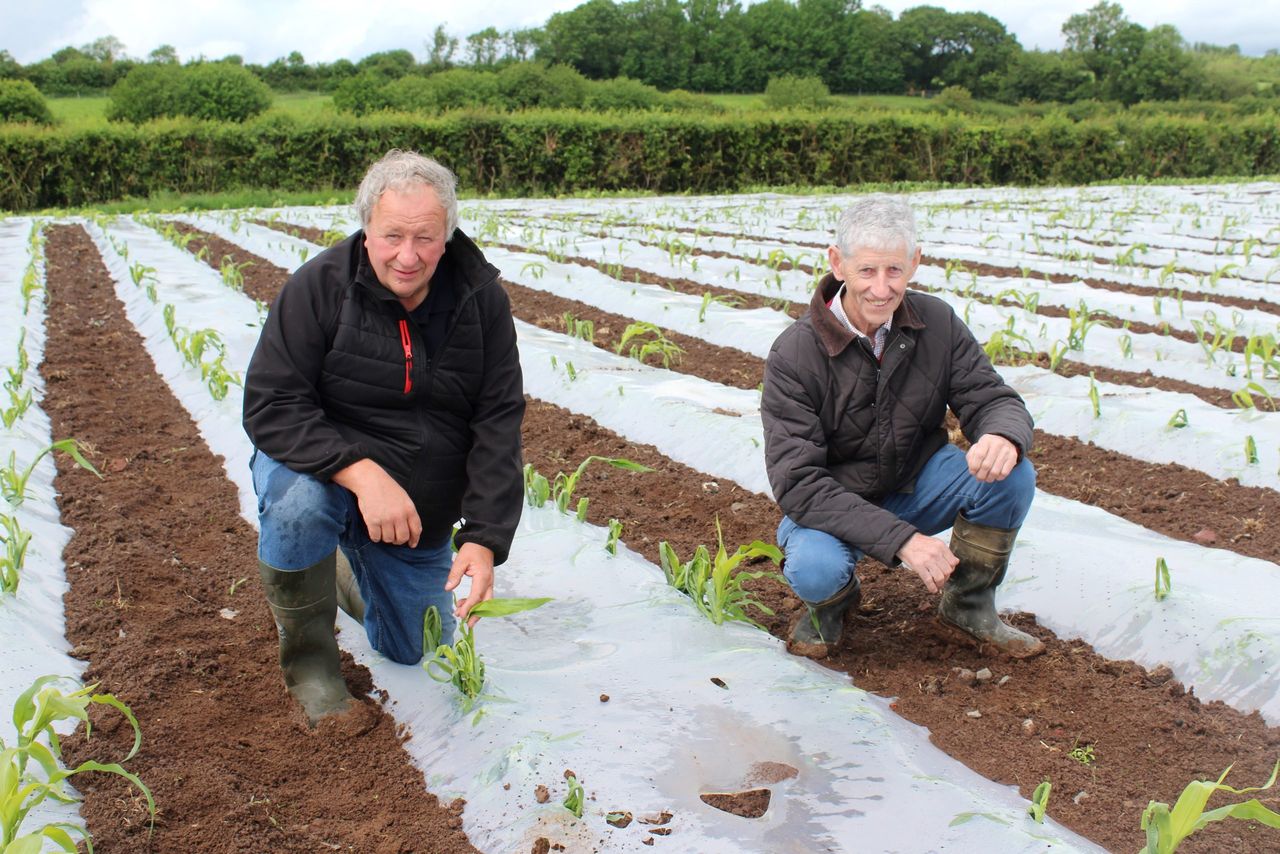
A debate is fast evolving on how best to secure optimal weed control in forage maize crops grown under Irish conditions.
Not surprisingly, it’s an issue that has a significant bearing on the final yields that are obtained.
However, securing weed effective control in maize is far from a straightforward matter.
A key factor in this regard is the frequency in which a crop is grown on the same land.
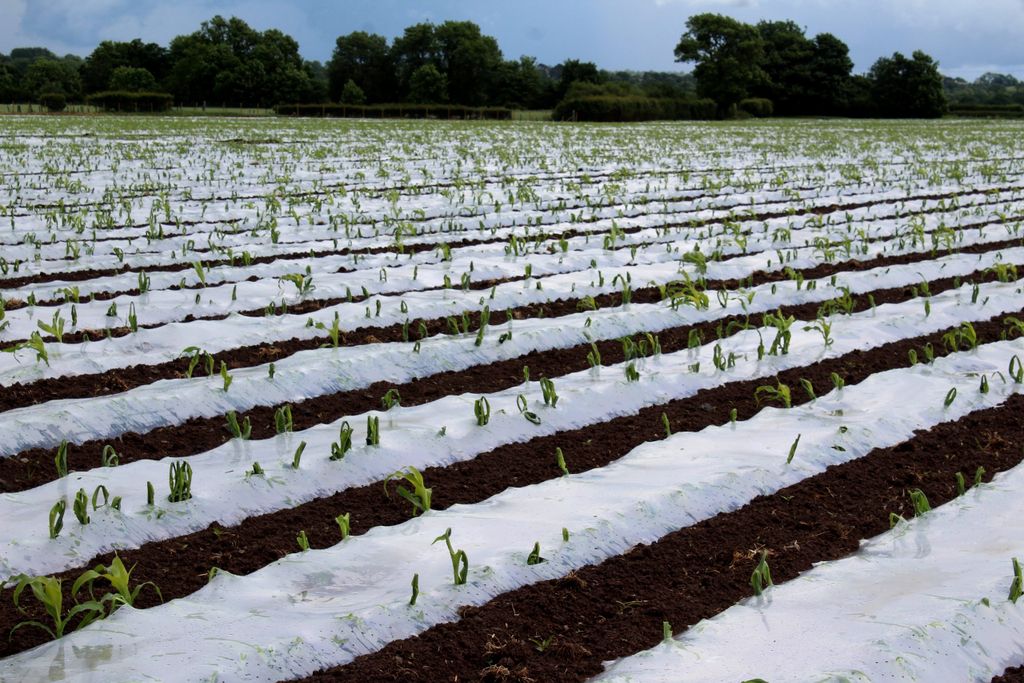
Maizetech’s John Foley further explained:
“Poor weed control in forage maize can reduce final yields by up to 30% with the bulk of these losses taking the form of reduced dry matters and starch levels.
“We also know that effective weed management is more challenging to achieve in crops of maize that have been planted on the same ground repeatedly.”
Herbicides
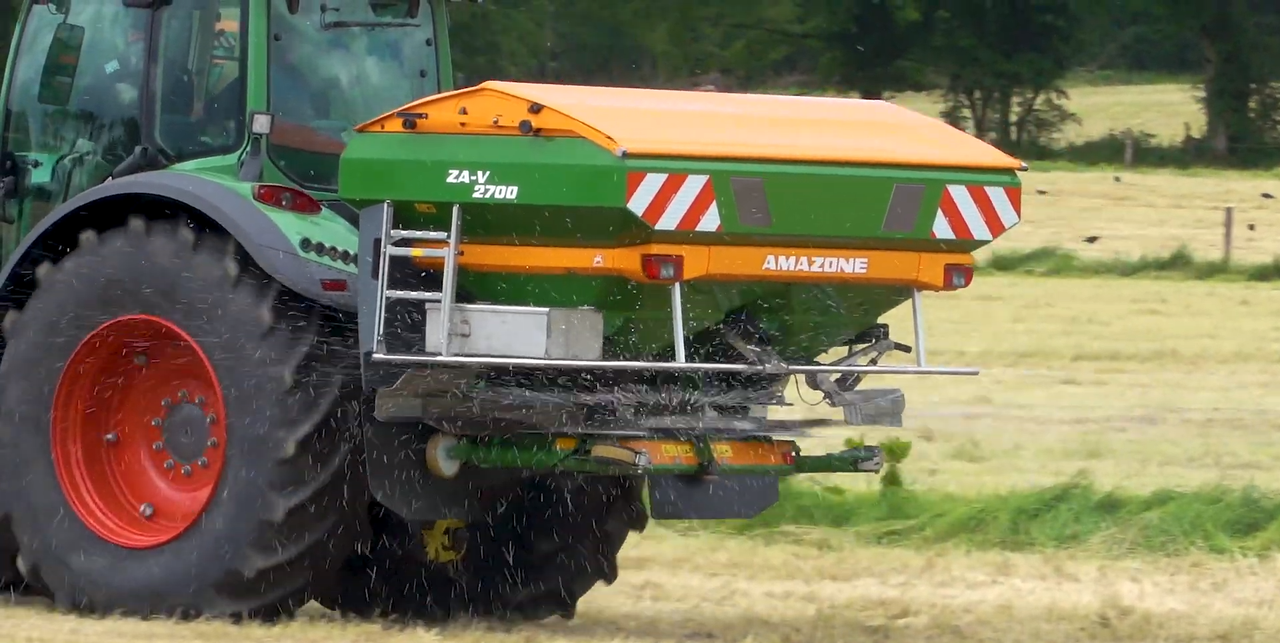
Up to now, it has been standard practice to apply the contact herbicide, pendamethalin, under the plastic at time of planting.
This acts a pre-emergent barrier to prevent annual grasses and broad leaf weeds.
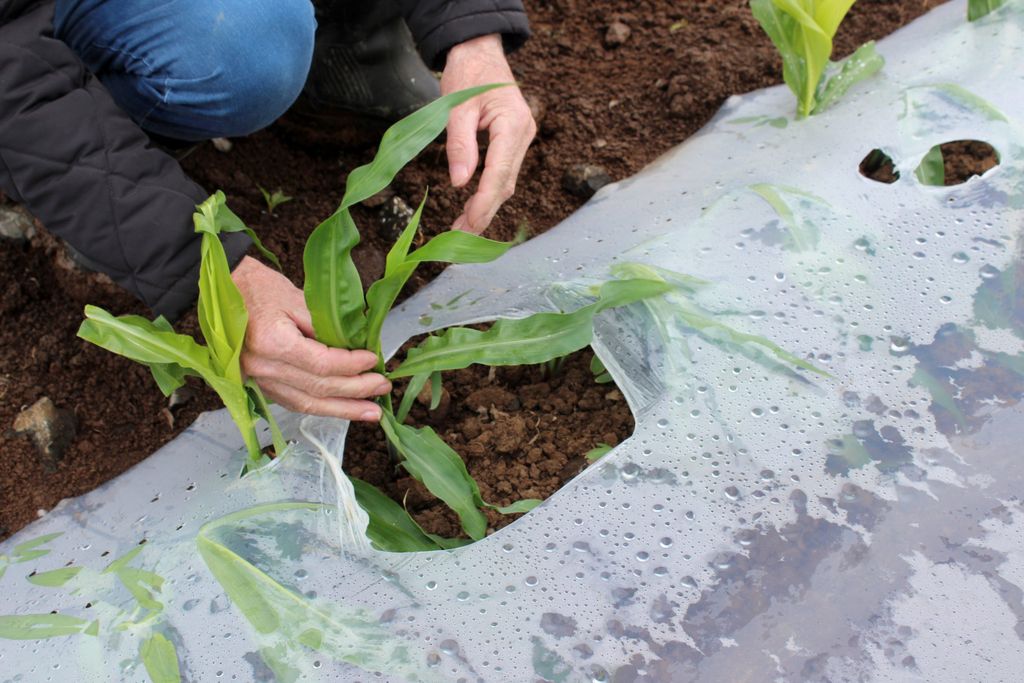
Maizetech’s Robert Duncan takes up that story: “But this still leaves soil between the rows on plastic sheeting untreated.
He noted that weeds that germinate in these locations are normally sprayed with a mix of the herbicides nicosulfuran and mesotrione up to the 7-8-leaf stage.
“In a maize crop that has been planted out in fresh ground, this is not an issue: weed burden are normally not that heavy," he said.
“But this won’t be the case in locations that have consistently been in maize for a number of years. Here weed populations between the rows of plastic can be extremely high."
Duncan noted that nicosulfuran and mesotrione will still deliver the same level of herbicide control.
However, he said problems can arise "if poor weather kicks in after planting, causing a delay in the application of the herbicide".
"In such instances high weed populations can become much more difficult to control.
“And this is purely down to the fact that the herbicide was not applied at the correct time.”
Recent years have seen a resurgence in the areas of maize grown across the island of Ireland.
Foley said: “Once dairy and beef farmers start feeding maize, they very quickly recognise its tremendous nutritional value.
“But for many growers of the crop, finding fresh ground every year is a challenge. This leaves them with very little option but to grow maize repeatedly on the same ground.
“This in turn brings the issue of effective weed control to the fore.”
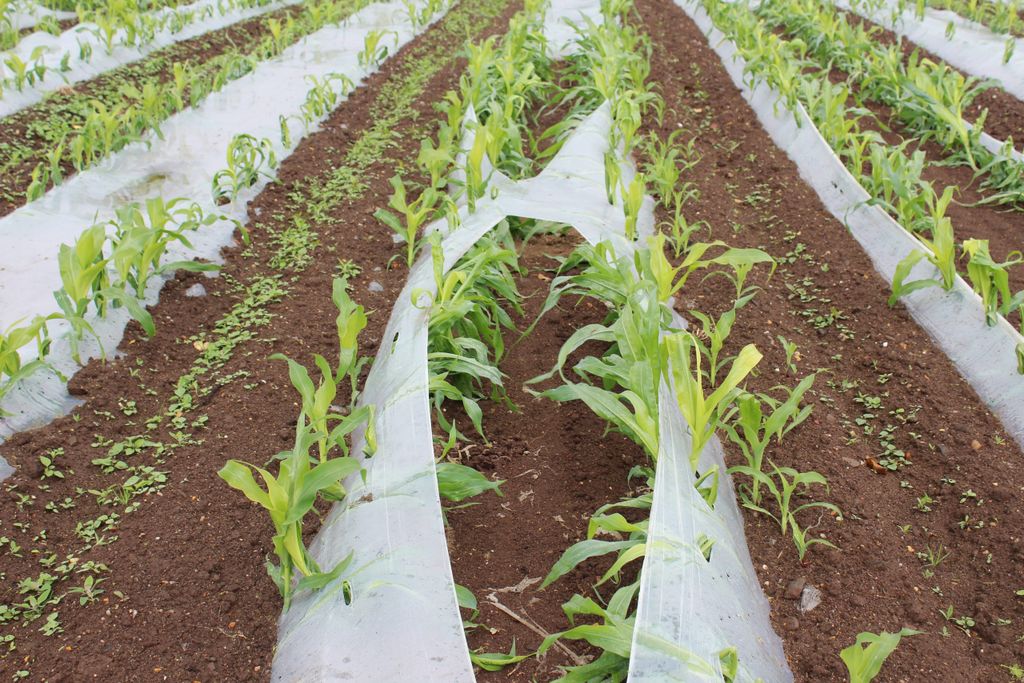
Foley highlighted that, given this background, Maizetech are now recommending that pendamethalain be applied across all the land planted out, not just under the plastic.
“By taking this approach a high degree of control over weeds growing in the bare soil will be achieved in the weeks after planting," he explained.
“But in addition, using pendamethalin in this way will give growers an extra window of seven to 10 days when it comes to applying the second herbicide."
According to Foley, this can make all the difference in giving maize crops the best possible start.
“Maize can be grown successfully in the same ground on a continuous basis. There are no soil borne diseases that will impact on the crop.
“However, it is important to ensure that weed control measures are fit for purpose," he said.
Growth rates
Meanwhile, growth rates in maize crops have picked up after what was a very cool start to the 2026 planting season.
Robert Duncan said: “Maize is very much in the ascendancy. We are seeing a significant increase in planting levels this year. And this follows a very strong year for the crop in 2025.”
In tandem with the increase in the planting area, record germination rates have also been achieved in 2026.
He added: “Crops sown out in April were established in soils that were quite cold.
“However, come the beginning of May, ground conditions had warmed up immensely. So much so that seed was recorded germinating under the plastic in eight days.
“Germinations rates of this magnitude have very rarely been achieved before under Irish growing conditions.
“It also means that we can look forward to a continuous and well defined maize harvest in 2026 with later sown crops having already caught up, in terms of their development, with those planted out earlier in the spring.”
Duncan has planted 36ac of forage maize on his south Co. Antrim farm, close to the town of Crumlin, this year.
Half of the acreage is fresh ground that was ploughed out of grass in the spring: the remainder of the land has been in continuous maize for a number of years.