Advice for starting the farm transfer conversation in 2026

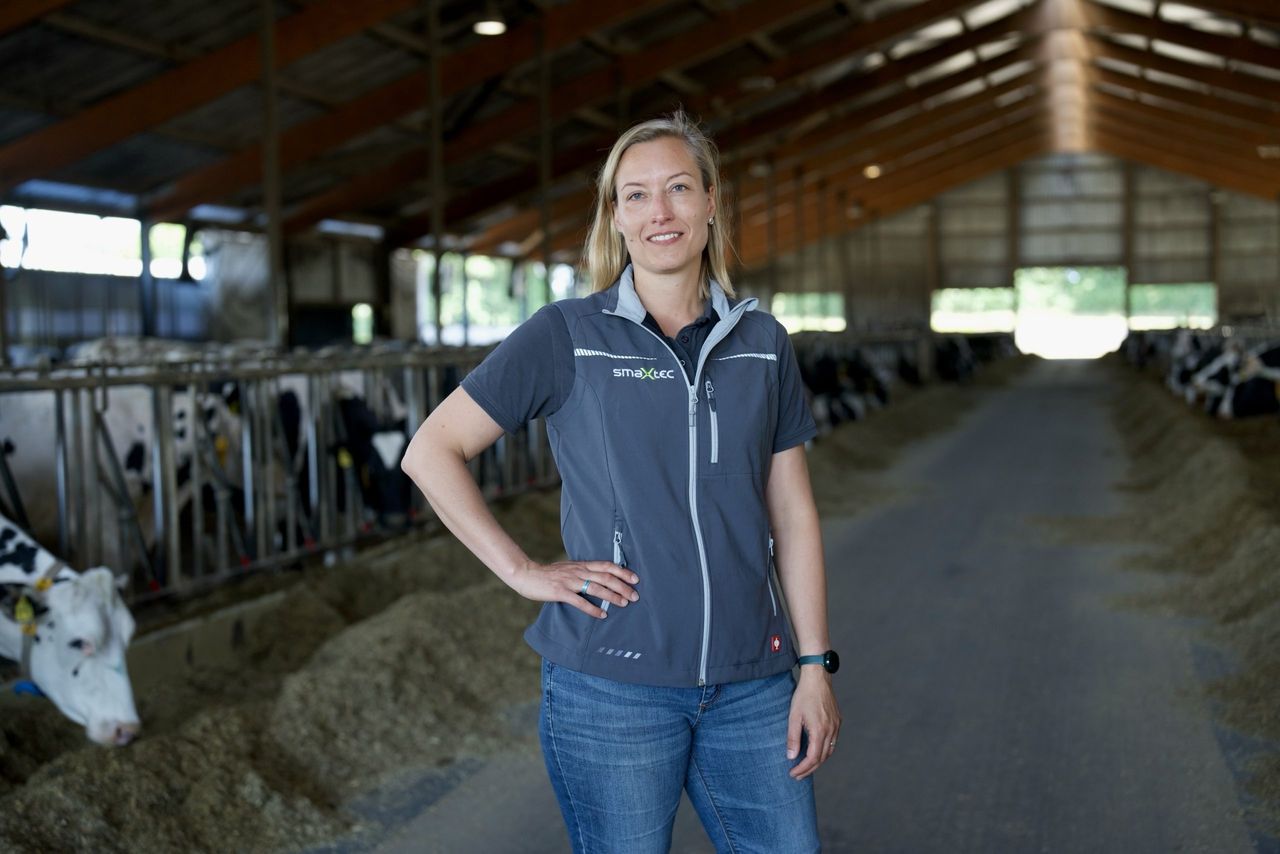
For many farm families in Ireland, succession remains one of the most difficult conversations around the kitchen table, Teagasc farm adviser Eimear Hughes said.
However, putting off decisions about farm transfer can "create significant legal, financial and family difficulties".
Hughes explained that there is no 'one-size-fits-all' solution for succession, but early planning and open communication are essential.
Starting the conversation
"With many farmers traditionally choosing late autumn after housing and weaning to begin formal transfer arrangements, now is an ideal time to prepare for a possible transfer in autumn 2026," she said.
"The first step is starting the family conversation early.
"Too often, parents assume they know which son or daughter wishes to farm, while other family members may have very different expectations."
Hughes said the process should ideally begin during summer 2026 with a family discussion focused on the future of the farm business.
"This is not simply about land ownership; it also involves income, retirement security, taxation, inheritance fairness and the long-term viability of the farm," she said.
"By August or September, families should arrange meetings with their Teagasc adviser, solicitor and accountant.

"Involving professional advisors at an early stage is recommended so that issues around Capital Acquisitions Tax, Capital Gains Tax, Agricultural Relief and pension eligibility can be examined properly."
The Succession Planning and Advice Grant can help cover professional advisory costs associated with succession planning, Hughes added.
Timeline for autumn transfer
She has provided a practical timeline for families aiming for a late autumn 2026 transfer:
- June-July: Begin informal family discussions and clarify intentions;
- August: Meet an adviser to assess farm schemes, entitlements and business implications;
- September: Consult a solicitor and tax adviser regarding transfer structure, wills and tax planning;
- October: Agree transfer details, retirement arrangements and any collaborative farming agreements;
- November: Finalise legal documentation and complete the transfer after the main farming season eases.
Hughes stressed that succession planning should happen in "manageable stages rather than under pressure following illness or sudden family events".
"One of the biggest pitfalls is failing to make or update a will," the Teagasc farm adviser said.
"If a farmer dies intestate - without a valid will - Irish succession law determines how the estate is divided, which can create uncertainty and conflict within families."
Delaying transfers
Hughes said that another common mistake is delaying transfer for too long.
"In many cases, younger farmers are left without decision-making authority or long-term security, making it difficult to invest confidently in the business," she said.
"At the same time, older farmers may worry about losing income, status or involvement on the farm.
"Successful transfers usually involve gradual transition rather than abrupt change.
"Collaborative arrangements such as registered farm partnerships can allow younger farmers to take on greater responsibility while older generations remain involved."
Conflict
Hughes acknowledged that family conflict is another "major risk".
"Research and practical experience consistently show that poor communication can create resentment among siblings and wider family members," she said.
"Mediation and structured family discussions can avoid disputes later."
Farmers are also being warned not to overlook retirement and long-term care planning.

Hughes said it is important to consider pension eligibility, future healthcare needs and the potential impact of the Nursing Home Support Scheme, commonly known as the Fair Deal Scheme.
"Ultimately, succession is about far more than transferring land," Hughes stated.
"It is about protecting the future of the family farm while ensuring fairness, financial security and stability for all involved."
While autumn 2026 might feel distant, "the earlier the process begins, the smoother and more successful the transition is likely to be", Hughes added.