Advantage Beef Programme

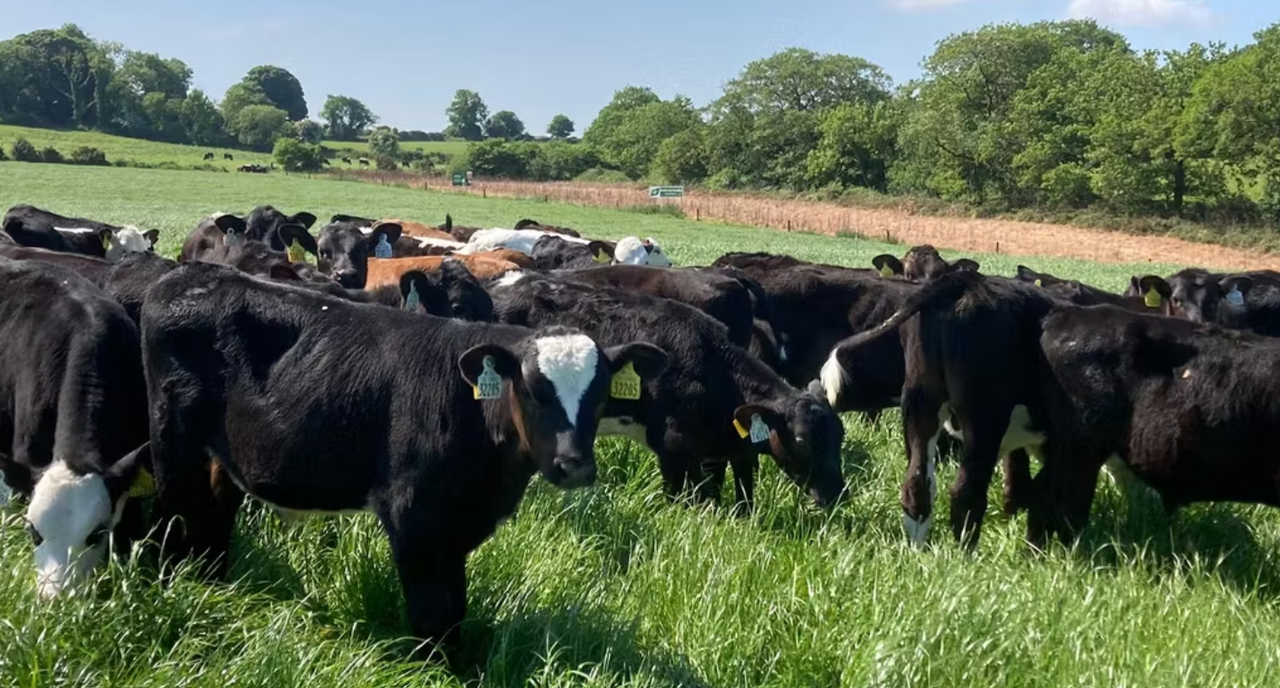
Farmers in the business of rearing calves will know all too well that a batch of calves going out to the field for the first time will test the boundary fences on even the best of farms.
While the physical issue of boundary fences is one challenge, the dietary transition for the calf is another major transition that must be closely monitored and managed effectively.
The ABP Demo Farm has been in the business of rearing calves for over 10 years now and has reared thousands of calves in that time, so Agriland asked the ABP farm liaison team for some of its top tips for managing calves at weaning and transitioning them to grass.
Tips for weaning calves off milk
Sean Cassidy from the ABP farm liaison team explained that when calves are on the approach to weaning, "it is imperative that dry matter intake is at a suitable level to make the weaning process smoother".
"In order for the calf’s rumen to develop effectively, calves must be consuming adequate amounts of concentrates, we recommend 2kg/head/day of a suitable calf starter ration."
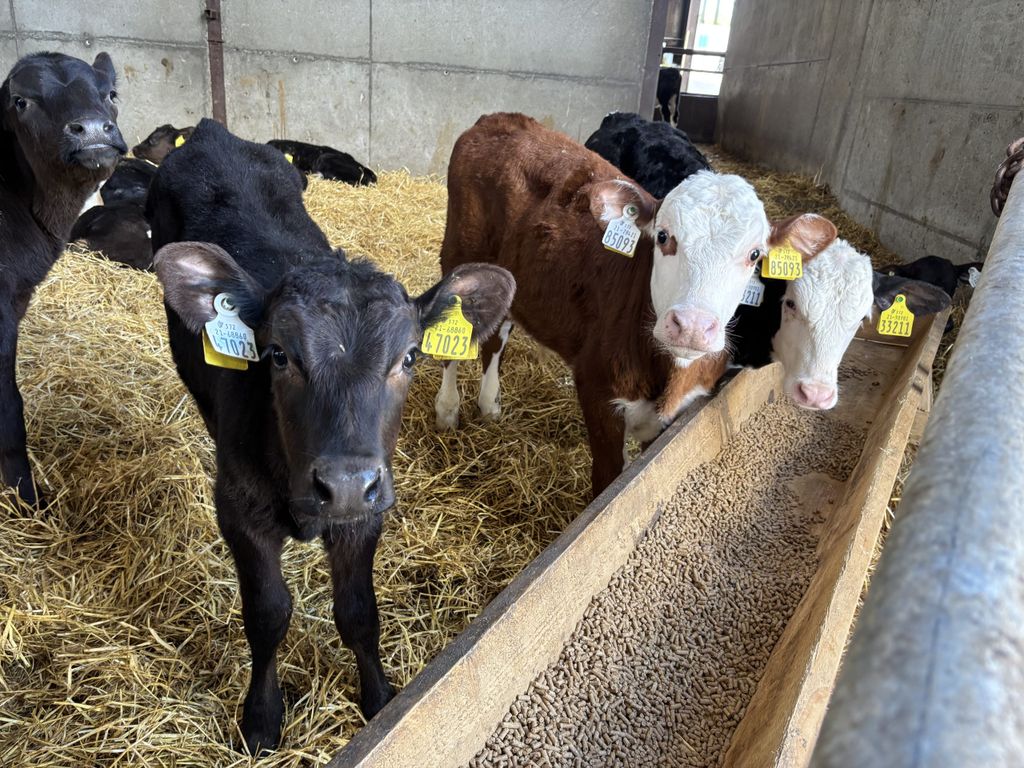
As well as concentrates, calves also need fibre, according to Cassidy.
"Fibre in the form of straw or hay plays a huge role in helping the papillae in the calf’s rumen develop, otherwise known as the ‘scratch factor’," he said.
"Ensuring well-developed rumens in the run-up to weaning and turnout is critical for the prevention of illnesses such as summer scour and promotes better thrive overall."
Cassidy recognised that every farmer will have a slightly different system or approach when it comes to weaning.
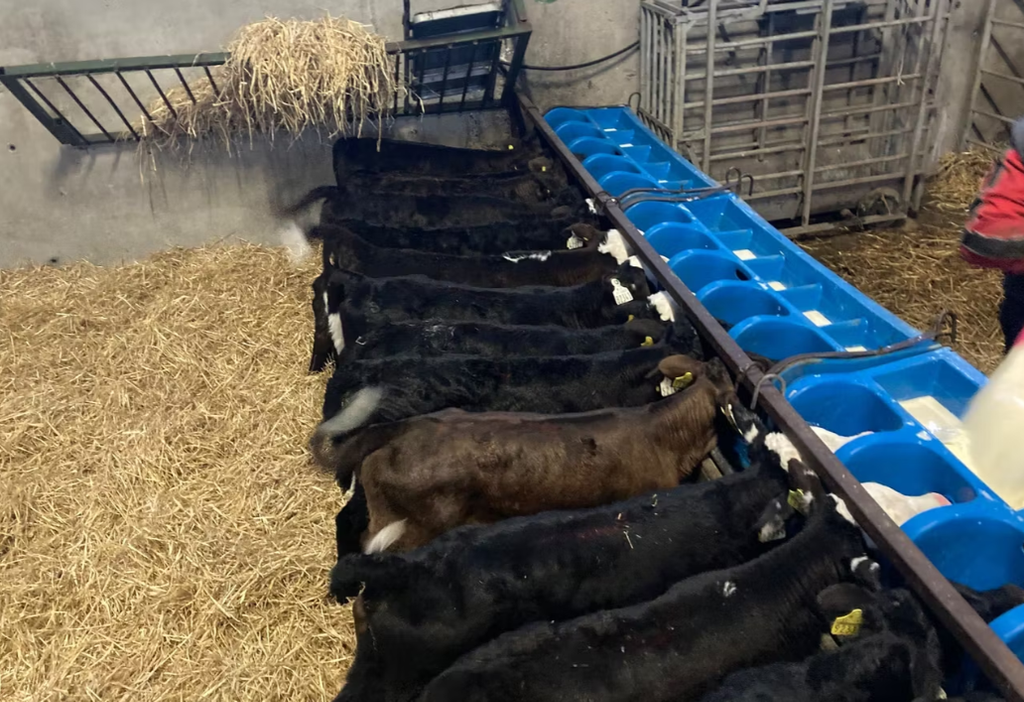
He outlined that while some farms have an automatic feeder bringing the calves down gradually over a period of time, while other farms manually feeding calves will gradually bring calves back to once-a-day feeding.
However, he added that regardless of how each farmer weans their calves, "the same core principals ring true for each system".
"Have your calves eating a strong 2kg of concentrates a day for at least four consecutive days before removing milk from the diet.
While some farms wean off of weight and some wean more so off of dry matter intake, the ABP farm liaison team recommend a weaning approach based off of a blend of both.
Cassidy explained: "You may have lighter calves in the bunch that could do with another two weeks on milk or younger calves that you may want to just get weaned and let off to grass.
"Our advice would be don’t rush. Usually, younger calves that get a more rushed weaning phase are the ones that cause problems during the summer at grass.
"The same can be said for lighter calves that might have been getting bullied away from the trough.
"Give these calves the time that’s needed to get them to approximately 90kg and ensure dry matter intake is sufficient to avoid any problems down the line."
The ABP farm liaison offer also stressed the importance of keeping water fresh available to calves at all times.
"Water becomes even more important post weaning than it was prior to weaning, as with higher concentrate intakes, water intakes also increase.
"Water is essential for aiding the breakdown of material in the newly developed rumen and help their microbiome to flourish.
"Calves could drink upwards of 5L of water/day so keeping a fresh water source available to calves is critical."
Cassidy said that close monitoring of calves during the weaning phase, as well as early action if any issues develop, will help ensure a smooth weaning period for dairy-beef calves.
Turnout to grass
While calves are settling into their grass-based diet, the ideal sward type is in fact average quality grass that has gone slightly stemmy.
"This ensures calves are not gorging large amounts of lush grass that can lead to loose dungs and digestive upsets," Cassidy explained.
Calves that are trained to an electric fence will naturally be easier to manage at grazing than those that are not.
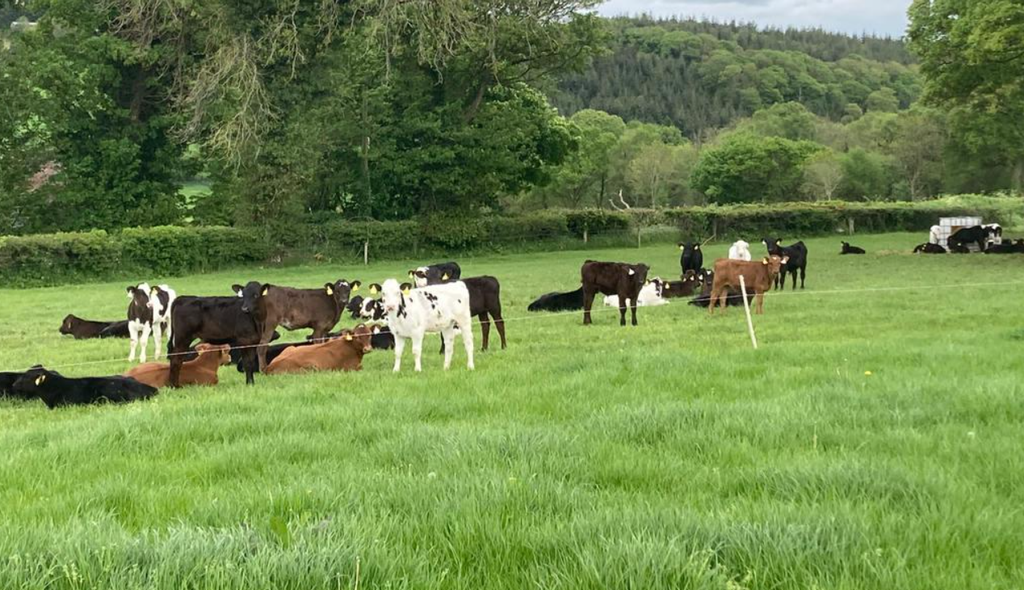
Using strips wire where possible to encourage grazing both the leaf and stem is also advisable.
Another useful tip for farmers with young calves at grass is to offer hay or straw in the field.
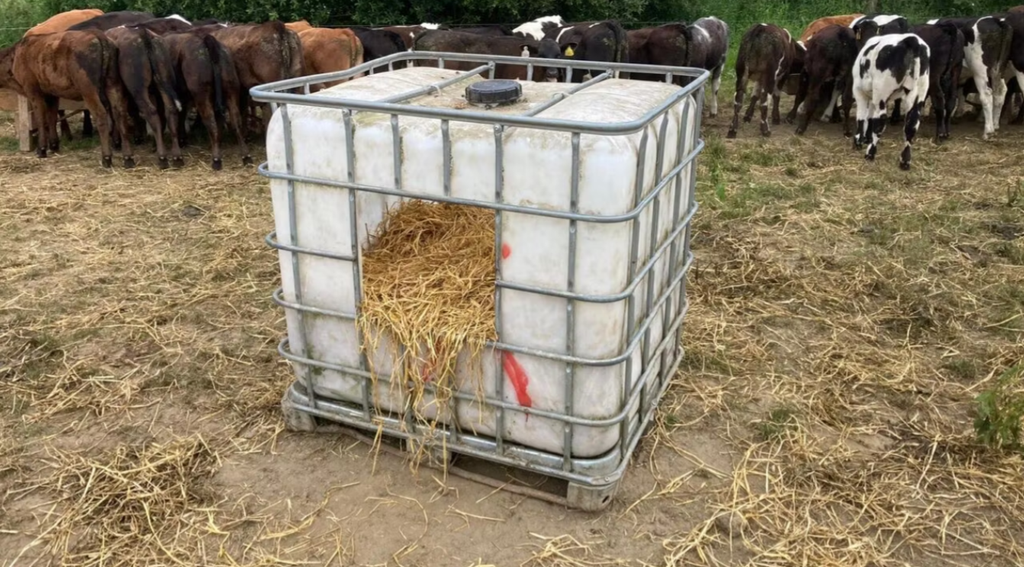
Despite having ample grass supply, calves will at times eat surprising amounts of hay or straw particularly in the current wet weather when grass swards and generally lower dry matter content which can caused calves to become loose.
Farmers should watch calf dungs closely at grass and add a fibre source where necessary.
The main causes and solutions for calves that are loose at grass but not thriving include:
- Lush grass and wet weather: Add fibre in the form of hay or straw;
- Stomach worm burden: Dung sample and speak to vet;
- Coccidiosis: Dung sample and speak to vet.
Cassidy said that once calves have settled in and adjusted to the new field environment, concentrate should be offered based on growth rates.
"Are the calves hitting daily live weight gain target of 5kg/week?
"This is the key question to ask in determining the level of concentrates to feed calves at grass.
"If calves are not achieving this target of 5kg/week, offer 1-2kg concentrates/head/day of a 16% protein nut or ration," the ABP farm liaison officer continued.
Cassidy also advised farmers to listen closely to the calves as they run to the trough for concentrate feed to hear for coughing which could be a sign of lungworm.
"A heavy lung-worm burden will reduce thrive and daily liveweight gain.
"If coughing is noticed, consult your vet for the best course of action on treatment," he counselled.