'Ruthless' breeding and grass management in Galway

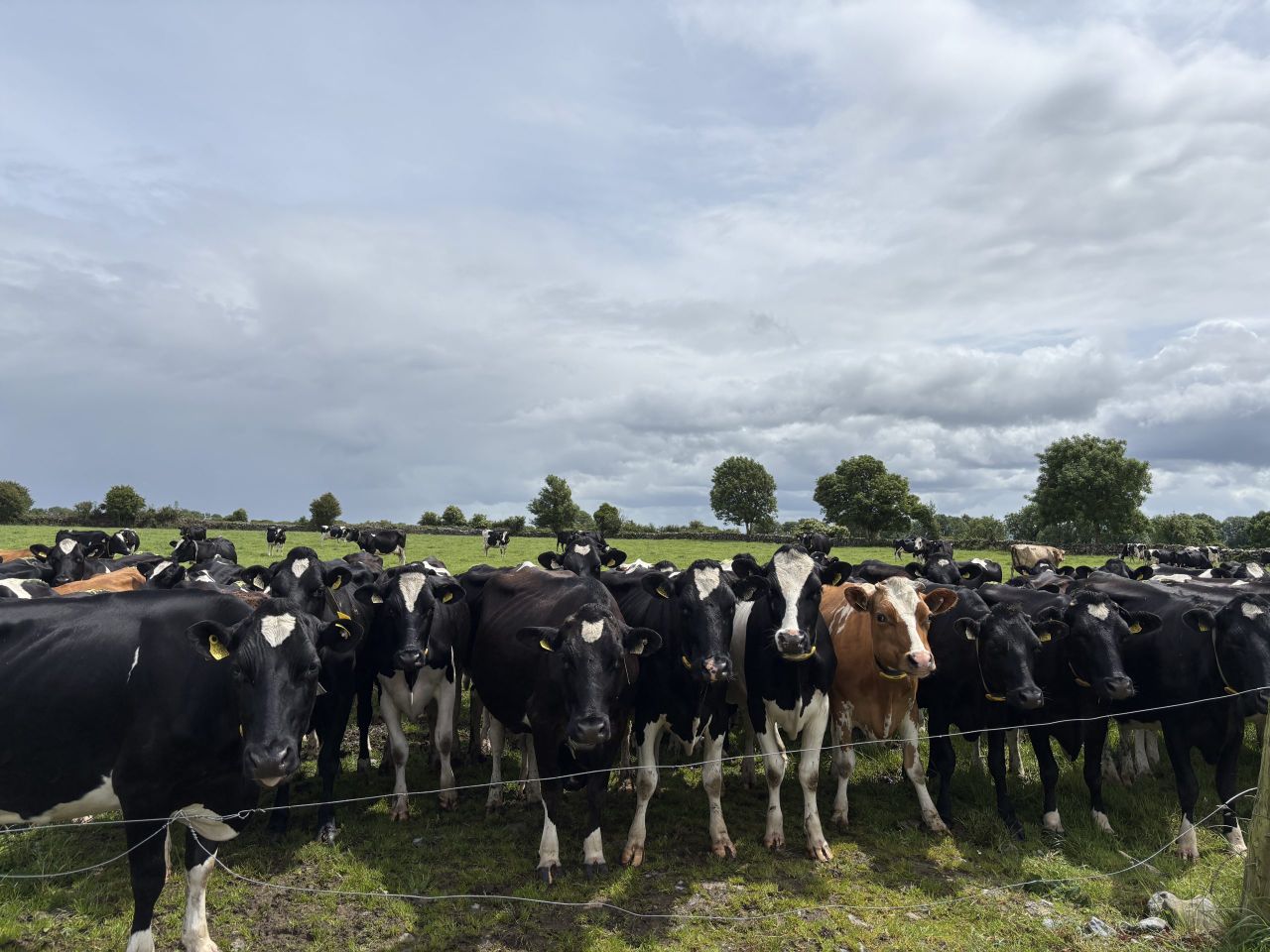
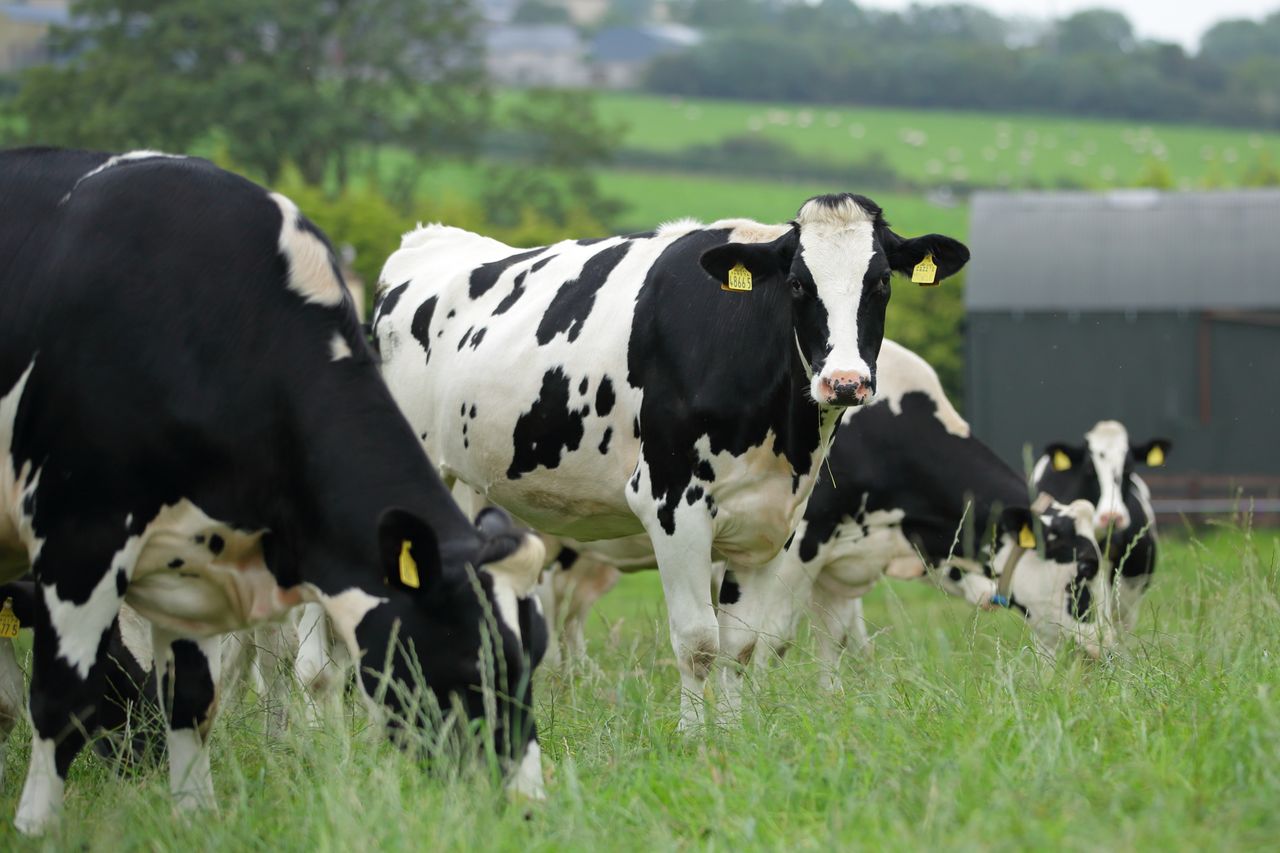
Ger and Enda Armstrong are milking 137 cows in partnership in Kilcolgan, Co. Galway, with a strong focus on breeding and grassland management.
Ger always ran a high-quality farm, with a focus on maximising profitability while dealing with milk quotas.
But when Enda returned home to the farm in 2019, he came with plans to improve the herd's solids while boosting grass production.
His plans have clearly come to fruition, as the farm won the Galway Sustainable Pasture Progress Award for 2025, as well as boosting the herd's Economic Breeding Index (EBI) to €161.
His "ruthless" breeding and attention to detail with grass allowed the farm achieve a milk price 5c/L higher than the average in 2025.
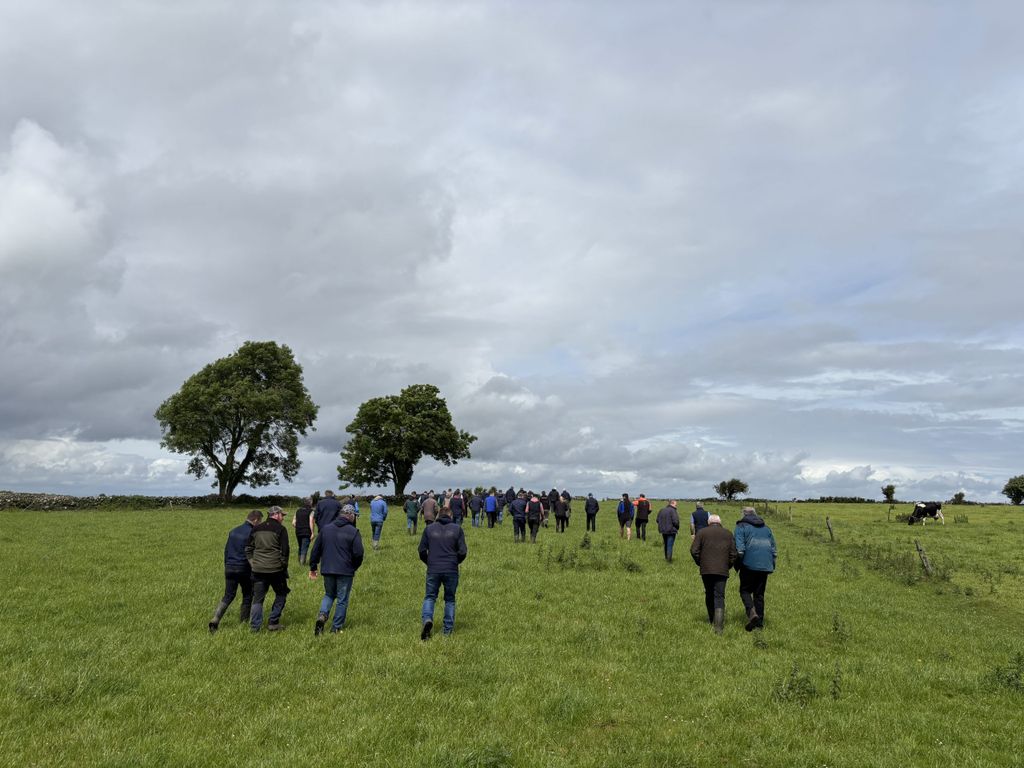
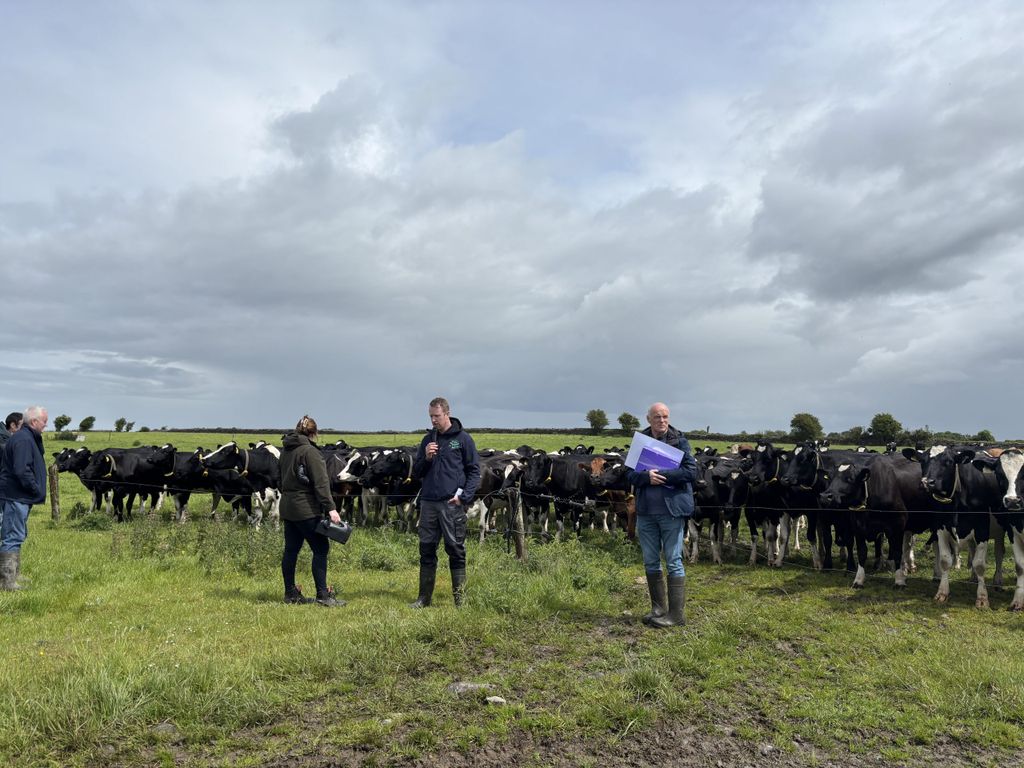
This performance made the farm an ideal candidate to host an ArraTipp-led farm walk in conjunction with Teagasc and Munster Bovine.
Farm performance
At the walk, the Armstrongs spoke about the herd's performance, stating that they are currently producing 21.5L of milk at 3.68% protein and 4.4% fat from high quality pasture alongside 2kg of meal.
The Armstrongs' milk solids in 2025 were 446kg, with Enda hoping to hit 475kg within the next two years.
On Thursday (June 4), the farm had an average cover of 508kg of dry matter (DM)/ha.
But with its growth rate sitting at 94kg DM/ha and demand down at 64kg DM/ha, any holes in the grass wedge are being filled quickly, meaning heavy paddocks are coming out of the 20-day rotation for surplus bales.
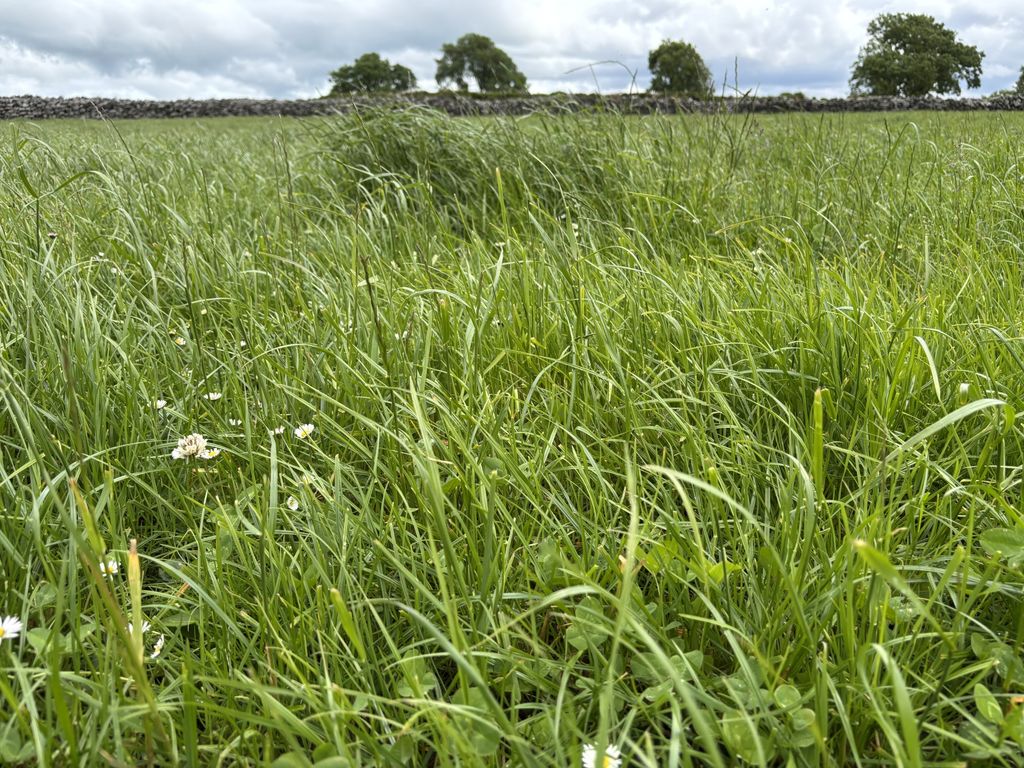
Enda carries out two grass walks each week, stating that the difference between a Monday walk and a Friday walk is substantial.
With over 40 walks a year, he can plan and adapt to a grass surplus or deficit, especially considering their farm is prone to drought.
The 40.6ha dairy platform is stocked at 3.68 - but with additional outblocks, the whole farm stocking rate comes to 1.6.
Breeding
When it comes to breeding, Enda is the man in charge on the farm.
In the last six years, he has put a huge emphasis on solids, especially regarding protein.
He said coming from a British Friesian herd, litres were another aspect that needed improvement in that time.
That meant there was a strong balance needed when using Jerseys to ensure milk litres were not being sacrificed for solids.
However, as the black and white bulls improved over the years, Enda moved away from Jerseys once again.
Enda has been synchronising his heifers for five years, saying that the workload is greatly decreased, with everything done within the one week.
They are inseminated on April 28, which also ensures the springers are going through the parlour early on in the season together before things get hectic.
He used a group of four bulls on 27 heifers this year, and lets a stock bull clean up anything that has been missed.
For the main mob, the Armstrongs use Nedap Censortec collars to detect heats, with breeding kicking off on April 24.
Artificial insemination (AI) typically takes place for five weeks before an Angus and Hereford bull join the herd, with AI then taking place for a week in conjunction with the bull team.
The bulls then cleaning up without the use of AI for a further three weeks, bringing the breeding season to a total of nine weeks.
The Armstrongs maintained a 6.7% empty rate on that nine-week breeding season, and have the majority of calves on the ground within eight weeks.