Straw trade: How is the market faring this August?

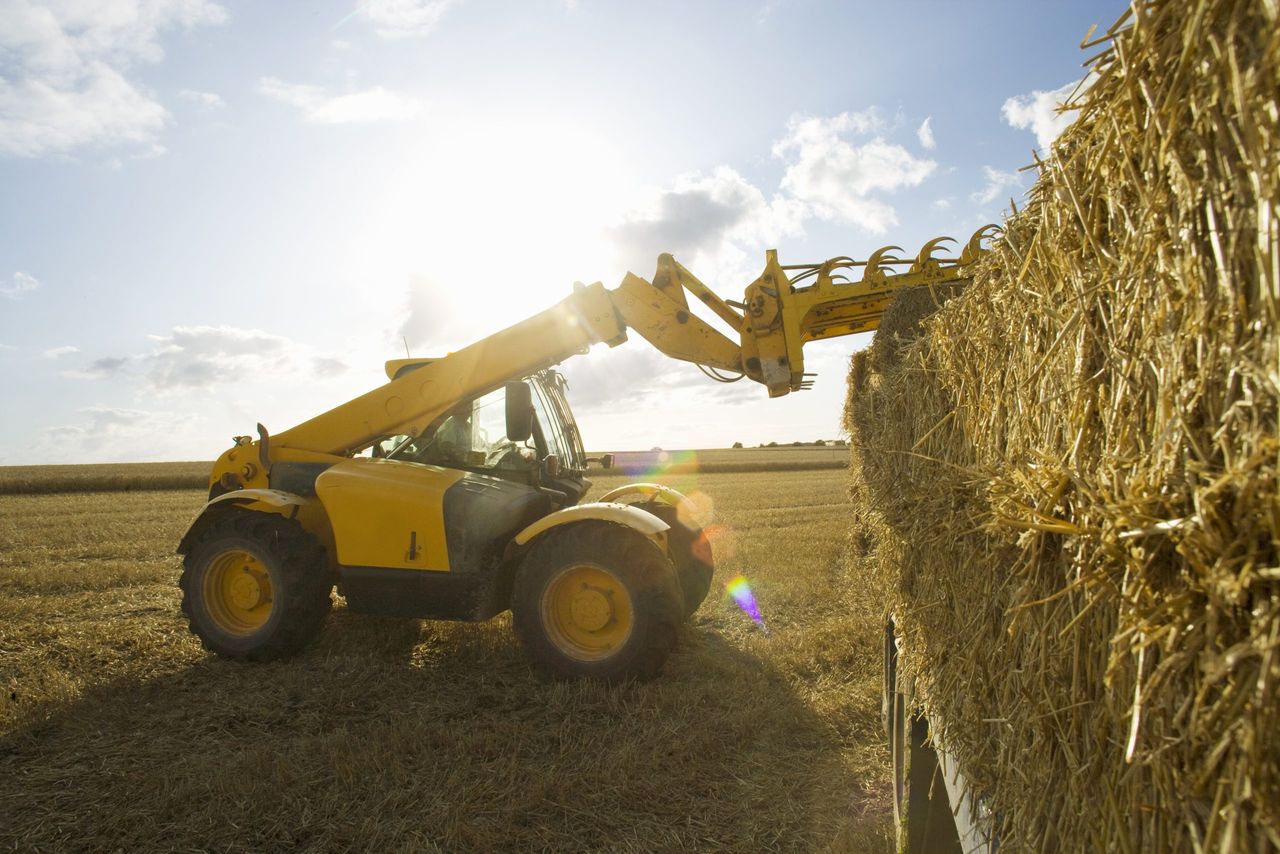
The prolonged August dry spell has taken a toll on crops, with lower yields and rising straw prices adding to the pressure on farmers.
Agriland spoke to several farmers that are both selling and buying in straw, as well as associations involved in the straw and grain trade to find out how the straw trade is faring this month.
Tillage farmers have most of the winter crop harvested however this year has resulted in earlier and lower yields due to major soil moisture deficits of over 90mm in the south-east.
This has placed a strain on supply, which, coupled with increased demand due to grass shortages and reduced winter fodder reserves on drought stricken farms, has led to price increases.
Agriland has heard that round straw bales were on sale for up to €30/bale before delivery.
This is a sharp increase from the €22-€25/bale average reported in July.
Tillage farmers
Agriland spoke to one west Co. Cork-based farmer who reported round bales as being sold for €36/bale delivered, and 8x4x3 bales going for€70/bale when delivered.
A Co. Limerick-based farmer reported barley and wheat straw as selling for €27/bale off the field and €37/bale delivered.
The farmer also added that dairy farmers were not pushing for straw at the minute, he believes this may be because of cashflow concerns in some instances.
Delivery may also increase costs at varying rates depending on distance.
According to latest feedback winter barley straw was trading for between €35-€40/bale with delivery.
Meanwhile wheat and rye straw was trading for €5 less than barley due to quality and demand factors.
Separately 8x4x3 square bales were selling for €65-€70/bale which is a significant increase on the €50/bale seen in July.
Feedback suggests that 8x4x4 square bales of barley straw were going for up to €90/bale when delivered.
According to John Murphy, chair of the Irish Farmers' Association Grain Committee, described demand as "massive" and expects that it is going to increase later in the year.
Fodder crops
Agriland also heard that maize has been very hit-and-miss across the country, with farmers on dry land very concerned but others felt it weathered the drought better.
Fodder beet, a good source of winter feed, was also reported as having varying levels of success, with some farmers optimistic it can kick on if the September and October come right.
Agriland also spoke to Irish Grain Growers Group secretary Clive Carter, who said that there was a big drive on 8x4x3 bales as farmers realised the feeding quality of straw.
Carter said that the last week to 10 days had seen a big push with straw starting to move.
He has advised farmers that the earlier harvests for winter crops will result in earlier trading and that farmers who wait until the traditional main straw trading period in September could potentially be caught out.