Knock-down resistance changes detected in grain aphid populations

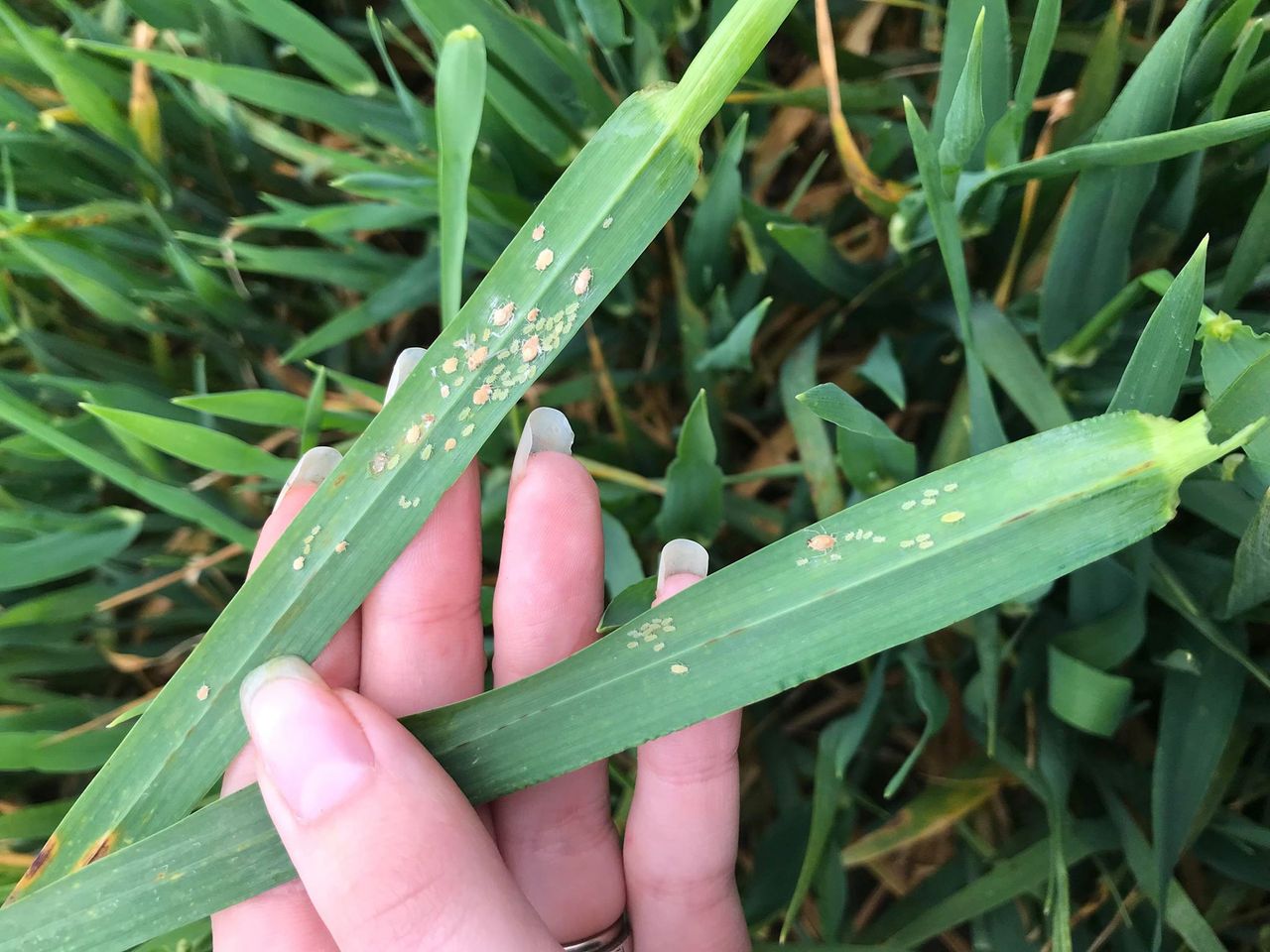
Genetic changes have been detected by Teagasc in specific grain aphid populations that deliver what is called "super knock-down resistance" (kdr) to aphicide chemistries.
This may have implications for the level of Barley Yellow Dwarf Virus (BYDV) found in Irish cereal crops in the future.
However, more generally, Teagasc research scientists have found that the common kdr mutation in the grain aphid population has not increased in Irish barley fields since the 2018 neonicotinoid ban.
According to Teagasc, the English grain aphid is a major pest of cereals in Ireland and across Europe and an important vector of BYDV.
In the absence of either resistant varieties and/or chemical control, BYDV can reduce yield and farm returns.
Pyrethroids
One control option available to farmers is the pyrethroid insecticide.
However, resistance to pyrethroid insecticide has been detected in grain aphid field populations.
Pyrethroids are an insecticide that disrupts insect nerve function, causing paralysis and death.
Insects have developed resistance to pyrethroids in several ways, including mutations in the insects’ DNA which makes the chemical less effective.
In Europe, the grain aphid is the only cereal aphid known to have developed kdr to pyrethroid insecticides.
Teagasc research
Recent Teagasc research has looked at prevalence of pyrethroid resistance in grain aphids, both in the field and in the National Insect Suction Tower Monitoring Network.
This was part of a critical surveillance programme that involved 155 winter barley crops surveyed over three years from 2021 to 2023.
Additionally, grain aphid samples were tested from the Teagasc suction tower network from 2022-2024.
In the absence of this surveillance, the sector would be blind to any risks to cereal crops that would result from changes in aphid populations.
Mutations
Significantly, from both field and suction tower samples, there is no evidence of an increase in levels of knock-down resistance to pyrethroid insecticides in recent years.
However, the analysis did identify two new mutations occurring in the grain aphids from the National Insect Suction Tower Monitoring Network: M918L (a so‑called “super‑kdr” change) and L932F.
These variants have been linked with much stronger pyrethroid resistance in other aphid species. This is the first report globally of these mutations in the grain aphid.
The next step is to assess if aphids with these new mutations have established in Irish cereal crops, thereby assessing the potential implications of these mutations for control.
The good news emanating from this research is that the common kdr mutation has not become more widespread in recent field surveys, and no fully pyrethroid‑resistant grain aphids were detected in the sampled crops.
However, the appearance of new mutations is an early warning.
Scientists do not yet know how widespread they are in crops or how much they reduce spray effectiveness in Irish grain aphid populations.