Advantage Beef Programme
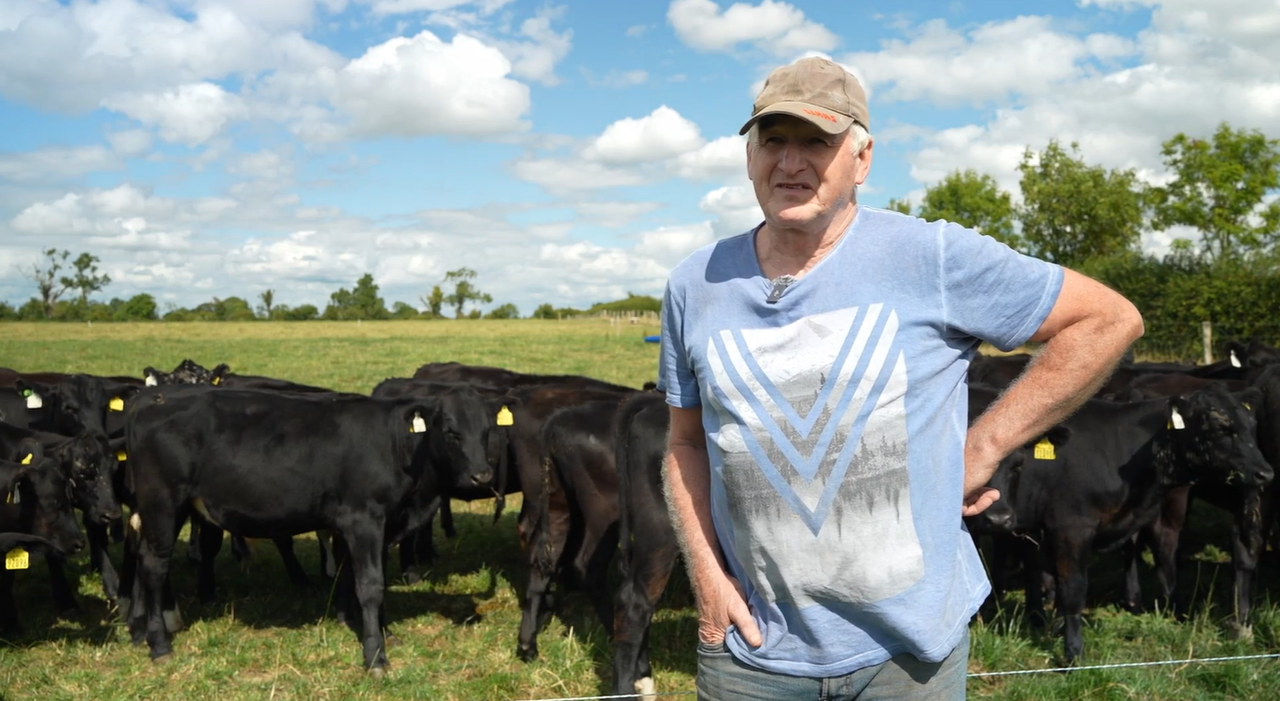
Michael explained that the grass situation on the farm was "grand until about a fortnight ago".
He said: "We had grass, we cut silage, everything was on track.
"We just hit an impasse that instead of getting two days in a paddock, they were only getting 1.5 days and the next paddock coming, there was nothing in it."
He said that they then decided to house additional cattle to take the pressure off the grazing bloc.
The farm rears approximately 100 dairy-beef calves every year.
They buy in 60 autumn-born calves and 40 spring-born calves, taking all these through to beef as part of the ABP Food Group Advantage Beef Programme.
The spring-2026-born and autumn-2025-born calves remain at grass and farm grass covers have recovered since older cattle were housed.
The grazing rotation for these calves has gone from 20 days to 30 days.
The housing date for cattle on the farm is normally November 1, but autumn-born cattle are generally always housed for finishing at this time of the year.
There are now an additional 45 spring-born cattle housed currently due to tight grass supplies.
These cattle ranged in weight from 550-450kg at housing and at this stage, will remain housed until finishing.
Heifers will go onto a finishing diet once they hit 500kg and steers once they cross 550kg.
These will be built up to approximately 6kg concentrates and fed for approximately 6-8 weeks and drafted for slaughter once fit.
Fodder supplies
Cattle are currently being fed on silage from last winter, so the Dunnes are hopeful they will be in a good position for feed this winter, but this depends how autumn weather conditions fare out.
Michael said: "Everybody is hoping that there's a good back end to the year.
"First cuts were good and second cuts were good but they're for [feeding in] October, November, December, and January.
"We have enough of fodder for the winter as long as we don't start feeding it [all yet].
"I'll probably be putting in a bit of extra straw to try and stretch it."
Cattle weight performance
OF the autumn-2024-born cattle, 14 were slaughtered at ABP in the past week, in a mix of steers and heifers.
Steers averaged 320kg and heifers averaged 285kg. There were four 'R' grade steers on the batch, with the remainder being 'O' grades.
These 14 cattle will be replaced in the finishing pens with 14 of the heavier spring-2025-born cattle.
Spring calves have been performing well on the farm this year, with the top performers in the 250-300kg weight range and the remainder averaging approximately 200kg.
The autumn calves are averaging approximately 400kg and are on target also.
The additional cattle that were housed weighed 450-500kg at housing and Michael had hoped these would have got a few extra months on grass.
These cattle are being fed last year's third-cut silage but are not on concentrates as the feed space makes it unworkable on the farm.
The farm aims to finish all cattle under 24 months-of-age. The target steer carcass weight is 300-320kg and the target heifer carcass weight is 280-290kg.
All beef cattle produced on the farm are slaughtered through the ABP Food Group's Advantage Beef Programme and qualify for all eligible bonuses as well as a 20c/kg 'sustainability bonus'.
Commenting on the initiative, Michael said: "The Advantage Beef Programme is giving us that that bit of a bonus, plus there's the backup support with some of the advisers.
"It's practical advice and they know what's going on."