Can sacrifice paddocks return value to the farm over winter?

Many farms, especially in the southern half of the country, will currently be feeding silage as grass has been exceptionally scarce since the end of May in the worst affected area.
Many farmers made the decision to feed cows outdoors as opposed to in sheds, as it reduces labour while posing less of a risk for cell count than temporarily or fully housed cattle.
For most farmers, these paddocks were near the parlour allowing easy access and potentially needed reseeding in the coming spring or sooner.
Where cows have spent a considerable period in paddocks, they will have to be reseeded as relying on grass to recover is ill-advised, especially where damage to the top-soil is evident.
As we move through August, it could take grass up to a fortnight to get going, which will mean it is September before cows are back in most paddocks for a full grazing.
Allowing grass to recover will mean that it could be late September before the paddock is any way grazeable.
Sacrifice paddocks
Winter feeding reserves are dwindling on many farms in the south-east, especially as many failed to get second cuts let alone third cuts.
Sacrifice paddocks can be targeted as an option to grow winter fodder before a spring reseed offers the best chance of establishing a strong sward for 2027.
Winter crops will require rain and for soil moisture deficits to return to more normal levels from highs of above 90mm before any germination of seeds can take place.
Agriland spoke to DLF's Ned Kehoe who advised that options are very limited now.
He pointed out how weather and sunlight hours were not favourable for growing crops only sown now.
Kehoe conceded that we are likely to get a lot of compensatory growth, especially in the south-east as there are "40 units of nitrogen in the soil waiting for rain".
He advised farmers to work on an individual paddock basis, taking weather and cost into consideration as if it rains excessively now, returns will be very poor.
Forage crops
He explained that options such as Westerwolds, Interval (forage rape) and Mainstar were the best options available.
These would enable farmers to get something out of the paddock, and as annual crops could be reseeded in spring.
Westerwolds are an annual grass that if planted now can provide significant grass returns in spring with the potential for April cuts of silage before reseeding.
Concerns around westerwolds are that it is hard to remove from a paddock if it flowers due to its competitiveness and as an annual plant may not suit all production systems.
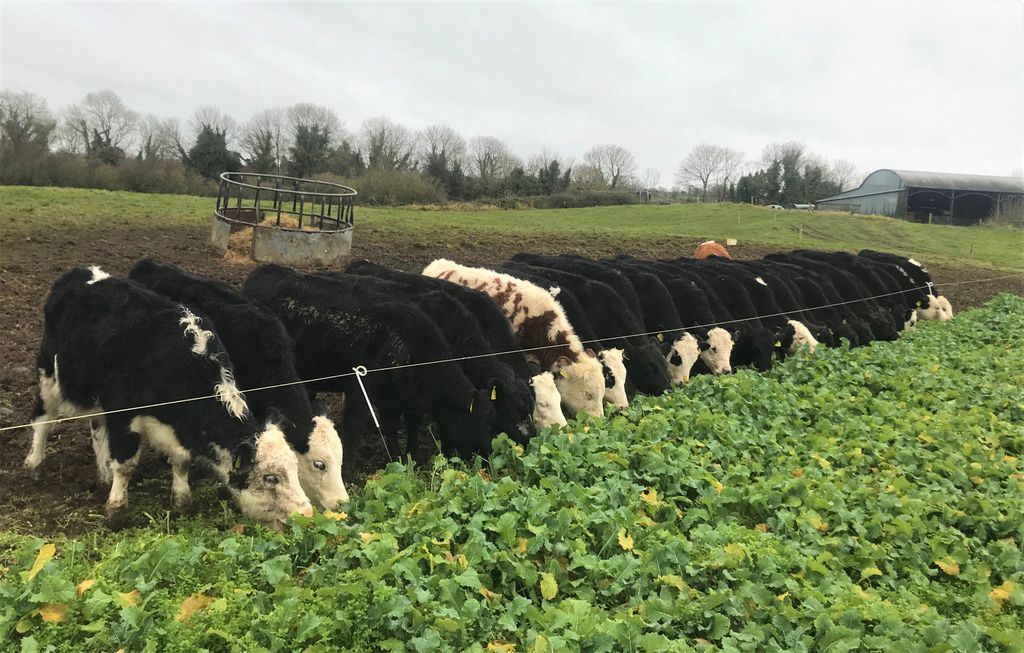
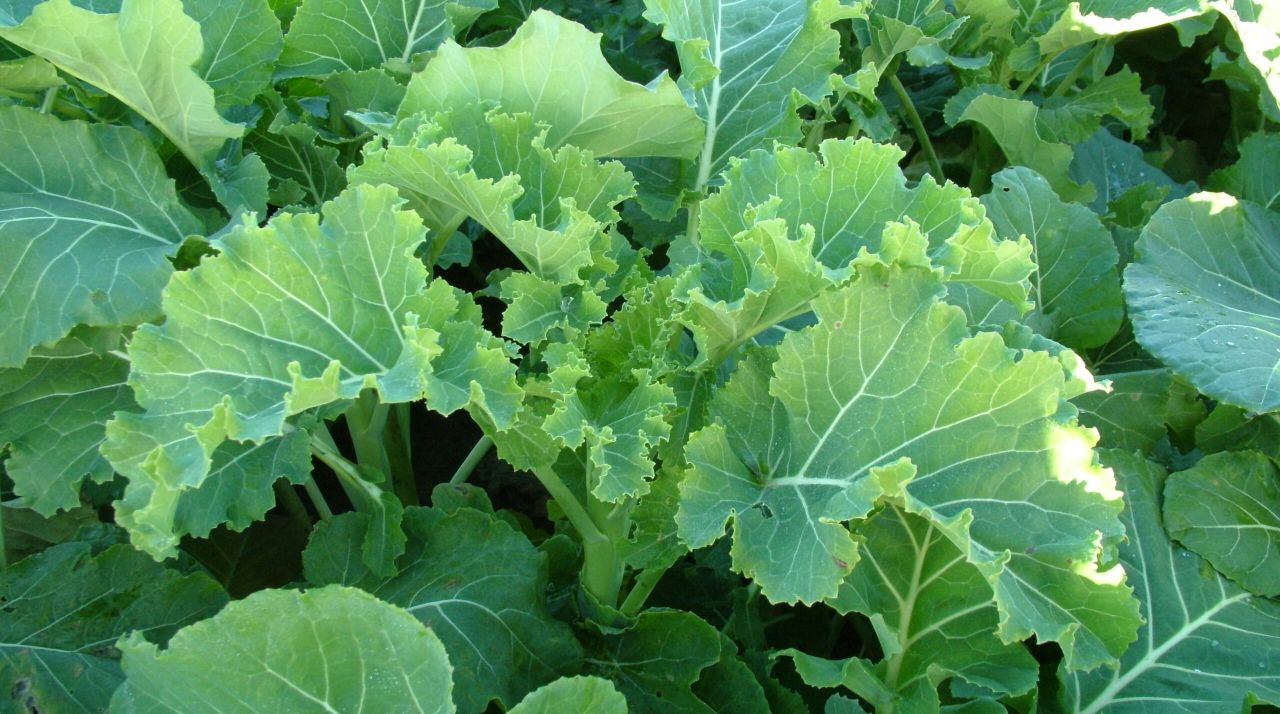
Hybrid brassicas such as redstart or Mainstar are very popular at the moment, and are an option for farmers who have received rain over the last week and have further showers forecast.
Redstart is a combination of kale and forage rape. Its later sowing date (May-August) makes it more suitable for farmers looking for winter grazing,
Agriland also spoke to Germinal's Pat Delaney, who advised farmers that if redstart was not planted by the first week in September, from a cost perspective, it would make more sense to go with a forage rape.
Redstart should be sown with at a rate of 3.5-4kg/ac.
For farmers planting now, they will be eyeing from December to February for grazing as it takes from 60-90 days to reach maturity.
The crop produces yields between 6-8t of dry matter/ha with 18-20% crude protein and 10-11MJ/kg of DM of metabolisable energy.
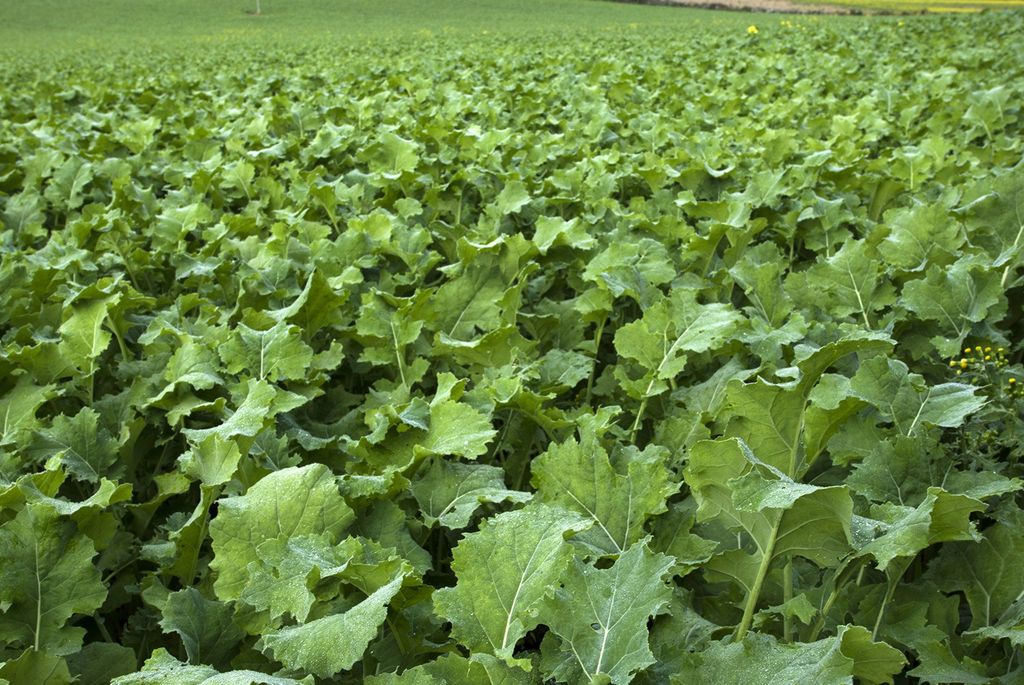
Redstart and other brassicas requires a pH of greater than 6.0, with 6.2-7 being the optimum range. This should encourage farmers sowing brassicas to also apply lime.
On the nitrogen requirement, with the close season a month away, Delaney advised farmers to wait till germination to go in with nitrogen to get the most efficient perspective.
Stego is a forage rape crop very popular for lambs and can be sown in August with the aim to graze over winter.
It produces 4-6t DM/ha with 18-20% crude protein and 10-11MJ/kg of DM of metabolisable energy.
Forage rye is increasingly popular due to its later sowing date. It can be sown into late September, and grows at lower temperatures than other crops.
Introducing crops
Letting animals into brassica paddocks straight from silage or grass can result in toxicity and health issues.
Instead, farmers should allow cattle in gradually over a week starting with small allocations per day.
A common approach to winter feeding is brassicas by day and forage (silage, hay, etc.) by night in sheds.
Teagasc recommends at least 30% of an animal's diet come from silage or hay to supply the necessary fodder.
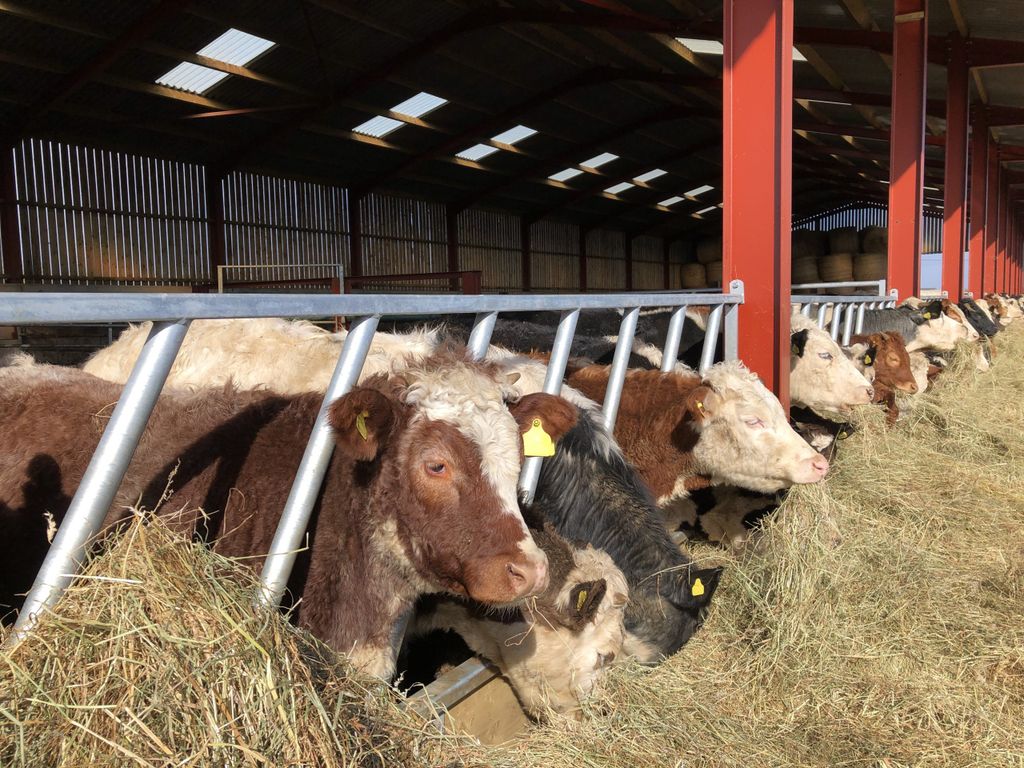
For example, if a cow is consuming 10kg DM during the dry period she needs at least 3kg DM from a high fibre source.
A rule of thumb for cattle's intake requirement is they typically eat 2-3% of their bodyweight.
A 400kg heifer will require between 8-12kg DM/day. If cattle eat 70% of their intake as brassica a day at 10kg DM/day, that equals 7kg/day DM of kale allocated.
Brassicas are low in trace minerals, so mineral blocks or mineral water supplementation will be required.
Health considerations
Goitrogens are toxic compounds found in redstart. They cause the thyroid gland to enlarge, resulting in thyroid hormone deficiency, which can have major adverse health effects on the cow and potentially the calf.
Cows and heifers should be removed from fields before one month out from calving - for example, a mid-January calving herd should remove animals before the middle of December.
Hybrid brassicas are also high in potassium(K), which binds with magnesium in the cow's rumen.
Magnesium is essential in calcium absorption, so high K can result in accelerated milk fever development.
Delaney advised that cows must be out of the paddock at least three weeks prior to calving to mitigate the milk fever risk.
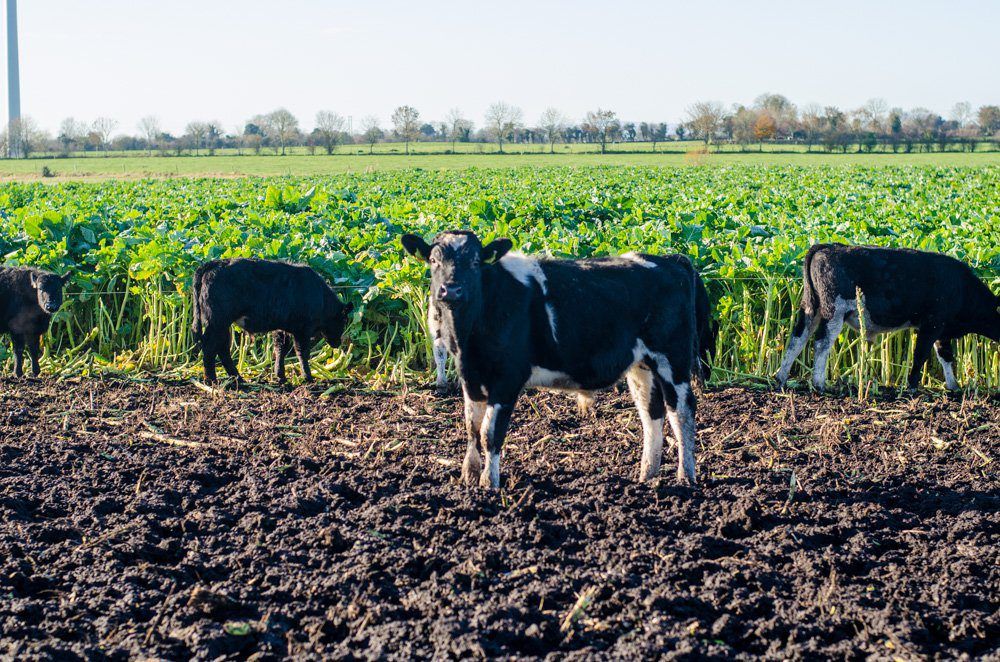
Farmers must not graze while any frost is down. The temporary freezing results in an elevated nitrate level, which can cause potentially fatal nitrate toxicity.
Flowering brassicas can be poisonous, as they contain S-methyl cysteine sulphoxide (SMCO).
During rumination, SMCO is converted into a compound that can potentially damage the red blood cell membrane, allowing leakage of haemoglobin from the cell and ending up in the urine, which is called red water.
Moderate levels of SMCO may cause loss of appetite, ill thrift, mild anaemia and digestive upsets.
High levels can cause severe anaemia and red coloured urine (red water). Poisoning can lead to sudden deaths in severe cases.
Waterway requirements
A farmer must also allow cattle access to a lie back area that is 30% of the grazing crop,; e.g., a 2ac paddock will require cows have access to 0.6ac of lie back.
A 4m unsown buffer zone is required where brassicas are grown along waterways. Where two waterways meet, the requirement extends to 6m.
Farmers are advised to graze towards waterways where possible to reduce run off.
Feeding and water troughs must be 20m away from waterways.
Farmers are advised to have two fences in the field with the next allocation or break already fenced off.
This means that if cattle break through one they will not be able to gorge themselves, reducing bloat risk.