Is forage maize a drought insurance option on Irish farms?

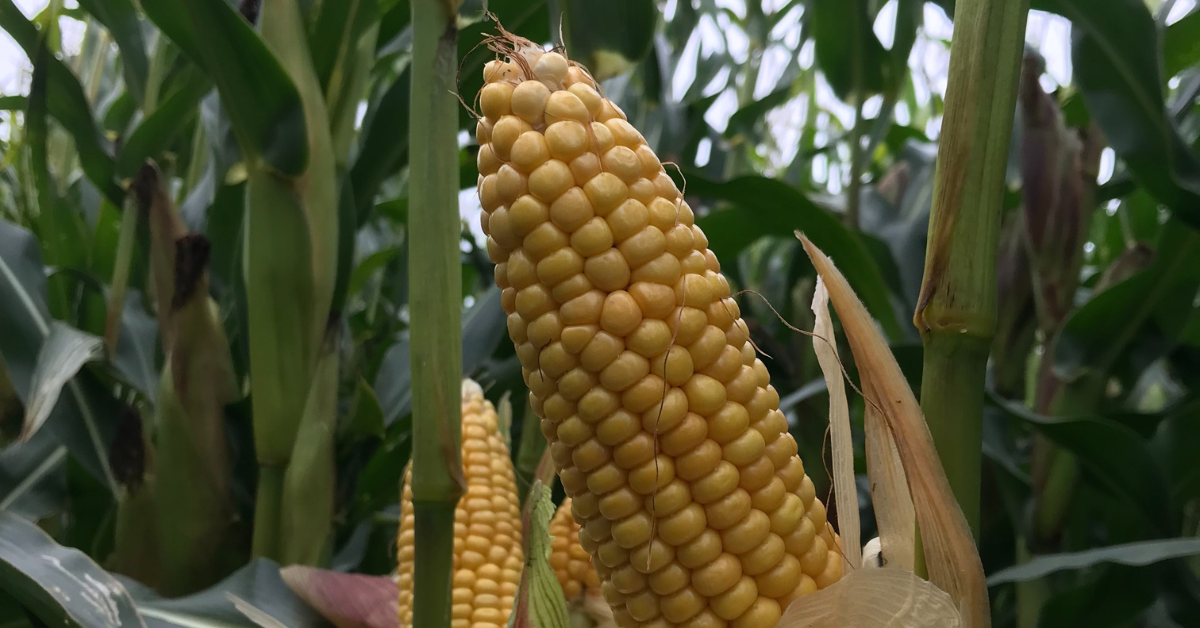
Growing between 5ac and 10ac of forage maize on an annual basis could provide Irish dairy and livestock farmers with a means of ensuring a year-long fodder supply.
That's according to Co. Kilkenny-based tillage farmer and contractor, Edward Delahunty.
He told Agriland: “My own maize crops have had to endure severe periods of heat and moisture stress both last year and this.
"But they have managed to come through it.
“I am not saying that maize is totally drought resistant. But it is close enough to it.”
Delahunty hopes to be harvesting the earliest of his 2026 maize crops around September 11, a full 19 days earlier than was the case in 2025.
“Yields are holding up well. Crops are also carrying cobs that have been fully pollinated,” he commented.
“Going for an earlier cutting date means that I am also getting a lot of green leaf in the final forage.
“The one slight drawback to such an earlier cutting date is a slightly lower starch value: possibly."
Delahunty is also confirming a strong demand for his 2026 maize.
“The plan was to build two new 3,000t capacity silos this year for the maize that we have growing.
“That project has been put on the back burner because of the demand that will we know is coming for fresh maize at harvest time."
Beet
Beet is another crop that is quite drought resistant, according to Delahunty.
He said: “We grew crops of beet last year that died back during the very intense heat of last summer.
“To be honest, I thought we had lost them entirely: they had genuinely stopped growing.
"However, leaves started coming back on to the plants as soon as the rains returned."
The Co. Kilkenny tillage farmer said he ended up harvesting some "very acceptable crops" last November.
“Dry conditions seem to encourage the roots of beet crops to travel that further down the soil profile in order to get whatever moisture is available.
“So I have no worries at all about the beet in the ground at the present time," he explained.
Reflecting on the 2026 grain harvest, Delahunty confirmed that cereal crops performed reasonably well.
He added: “The one exception was winter barley.
“Wheat crops yielded particularly well. There is a very strong demand for straw at the present time.
“Grain moisture levels were also very low, which meant that drying charges were not a factor to be contended with this year.”