Sheep producers warned to ‘remain vigilant’ for signs of sheep scab

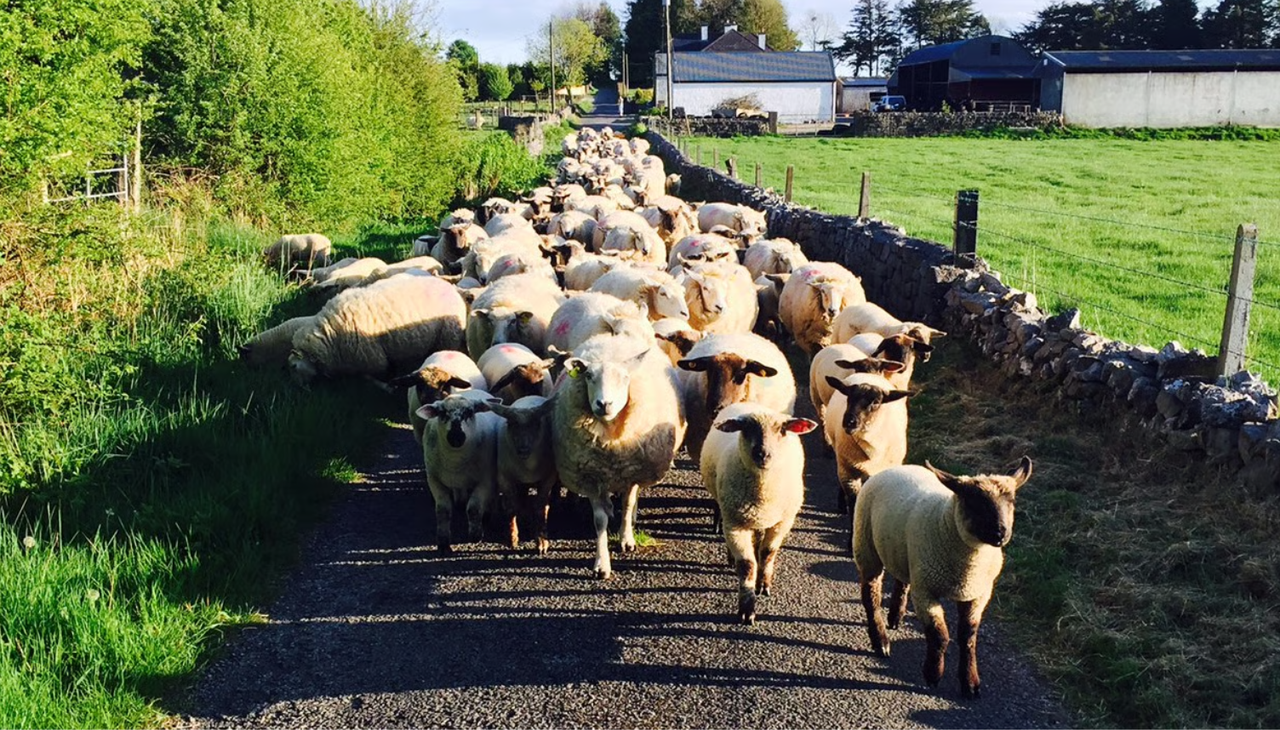
The risk of sheep scab increases with the movement of sheep between farms and livestock marts, the Ulster Farmers' Union (UFU) is reminding farmers.
Sheep scab is a notifiable disease in Northern Ireland, meaning cases must be reported to the Department of Agriculture, the Environment and Rural Affairs (DAERA) under the Sheep Scab Order (NI) 1970.
UFU deputy president, Clement Lynch, spoke about the steps farmers can take to manage the risk of the disease.
He said: "Sheep scab remains one of the biggest animal health challenges facing our sheep sector and it is something farmers cannot afford to become complacent about.
"As sheep begin to move more frequently between farms and through livestock marts, the risk of transmission increases, making good biosecurity more important than ever.
"Simple measures, such as quarantining incoming stock, checking sheep regularly for signs of scab and seeking veterinary advice at the earliest opportunity, can make a significant difference in preventing the disease from spreading," said Lynch.
According to Lynch, the UFU is encouraging farmers to link in with their veterinary surgeries to ensure the correct treatment is used when combating the disease.
He also said that responsible use of medicine is vital to protect the effectiveness of the treatment options available and safeguard flock health into the future.
Cause
Sheep scab is caused by the parasitic mite known as Psoroptes ovis and is an acute form of allergic dermatitis.
It spreads rapidly and causes intense irritation, weight loss, reduced fertility and, in extreme cases, death if left untreated, all of which impacts both animal welfare and farm profitability.
Symptoms can include:
- Restlessness in the flock;
- Sheep scratching against fence posts;
- Stained areas of wool;
- A pulled wool appearance leading to wool loss;
- Head tossing;
- Attempted biting.
The UFU is reminding farmers that the mites responsible for contagious disease are not always visible to the naked eye and that signs may not become apparent until several weeks after infection.
Blood testing is available to help confirm the presence of the disease where there is uncertainty.
According to the UFU, anyone who suspects sheep scab in their flock should contact their private veterinary practitioner as soon as possible to ensure prompt diagnosis and responsible treatment.
The UFU said this also helps to minimise the impact of the disease and reduce the risk of it spreading to neighbouring flocks.