Opinion: More balanced calving pattern required within Irish dairy sector

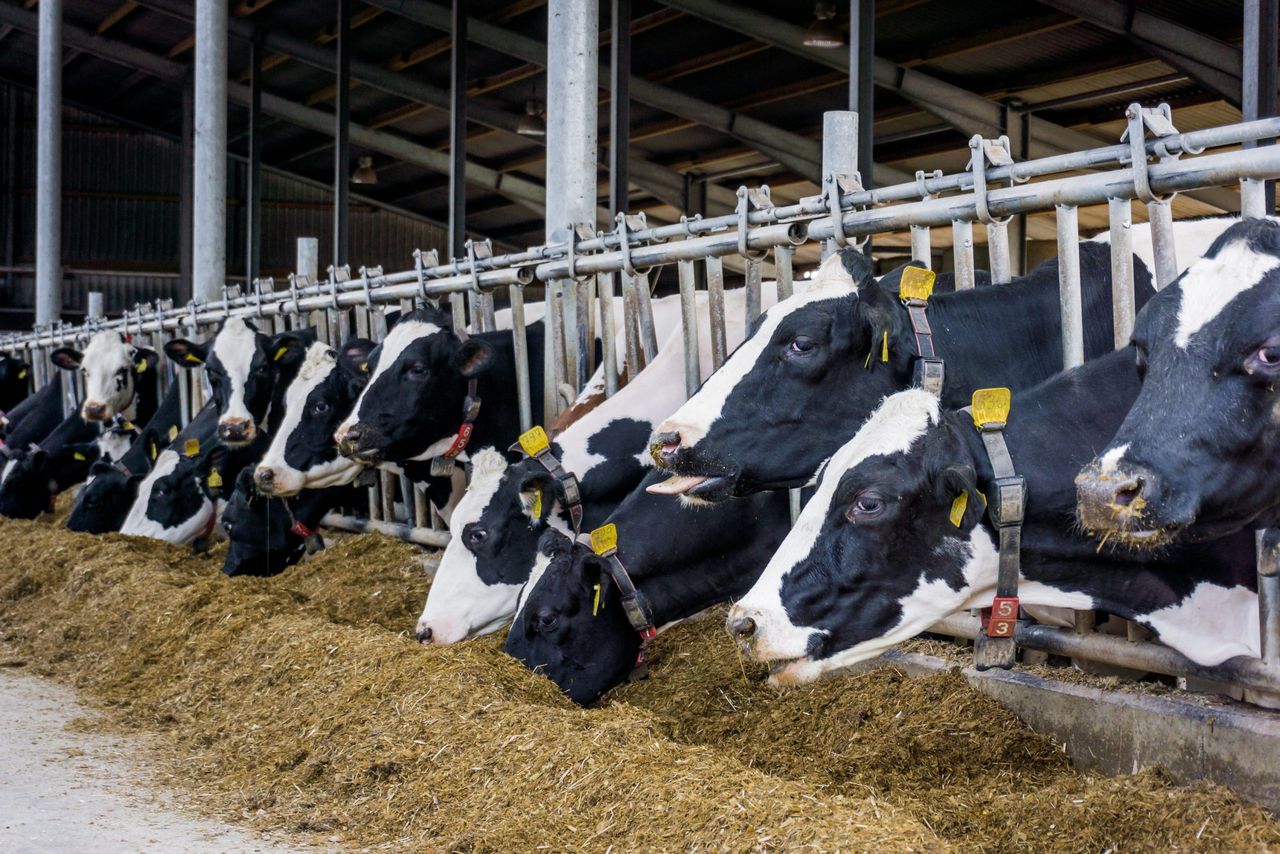
A more balanced calving pattern within the dairy sector is needed if Irish agriculture is to confront the challenge of climate change.
Putting the vast majority of our eggs within the basket of an almost exclusively spring-based milk production system makes no sense from any perspective.
We have seen this year the impact of drought on milk production levels throughout the summer months.
And as every dairy farmer knows, once a cow comes off her assumed milk output trajectory, for any reason, it is a case of saying good-bye to the true potential that was once offered by that lactation.
It may well turn out that 2026 is an outlier from a weather perspective.
But, within the greater context of climate change, the actual tonnages of grass produced on Irish farms are projected to remain steady.
They may, in fact, increase, if we end up with greater levels of forage production in the early spring and late autumn period
The challenge then becomes one of how best to make use of this resource.
And making greater quantities of higher quality silage has got to be part of this solution.
Autumn calving
In turn, this opens up the prospect of calving more cows in the autumn period and winter feeding them accordingly.
Making this happen will require the scrapping of the antiquated liquid milk system and for the creameries to pay a decent winter milk price to all dairy farmers who commit to flattening out their milk production profile across the year.
And this should not be a problematic issue. Vast sums of money have been spent by dairy processers in stainless processing capacity with the sole aim of meeting a spring milk flush.
If there was more winter milk produced, more efficient use could be made of this resource the year round.
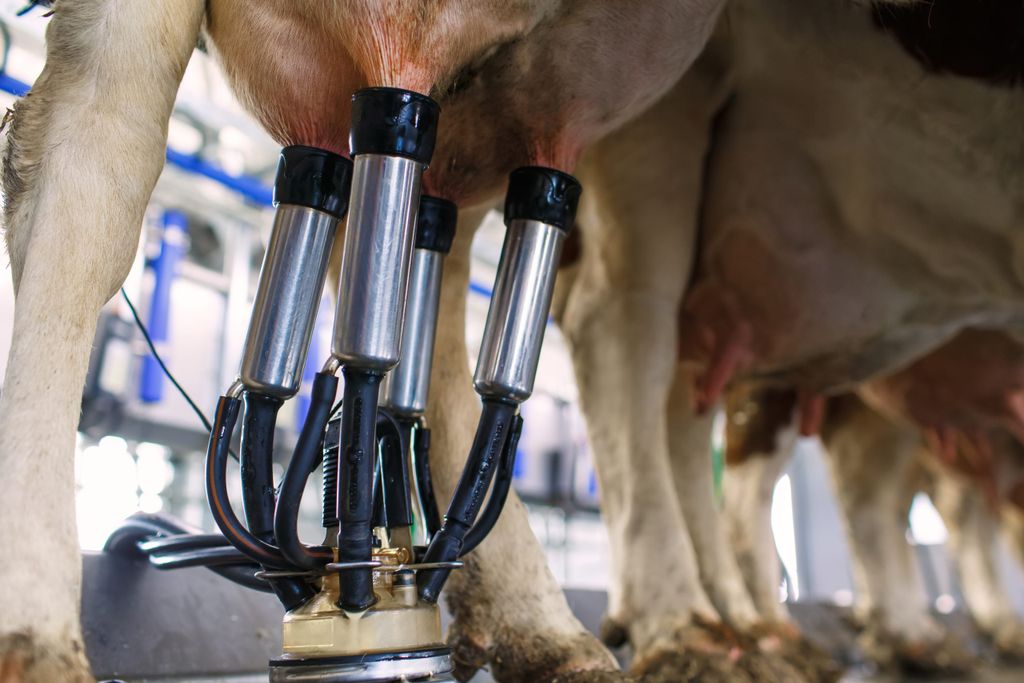
Winter milk production also opens up the opportunity of using higher production merit cows and using individual animal yields.
The reality is that the vast majority of Irish dairy farms already have the housing and other facilities required to make winter milk production a viable option.
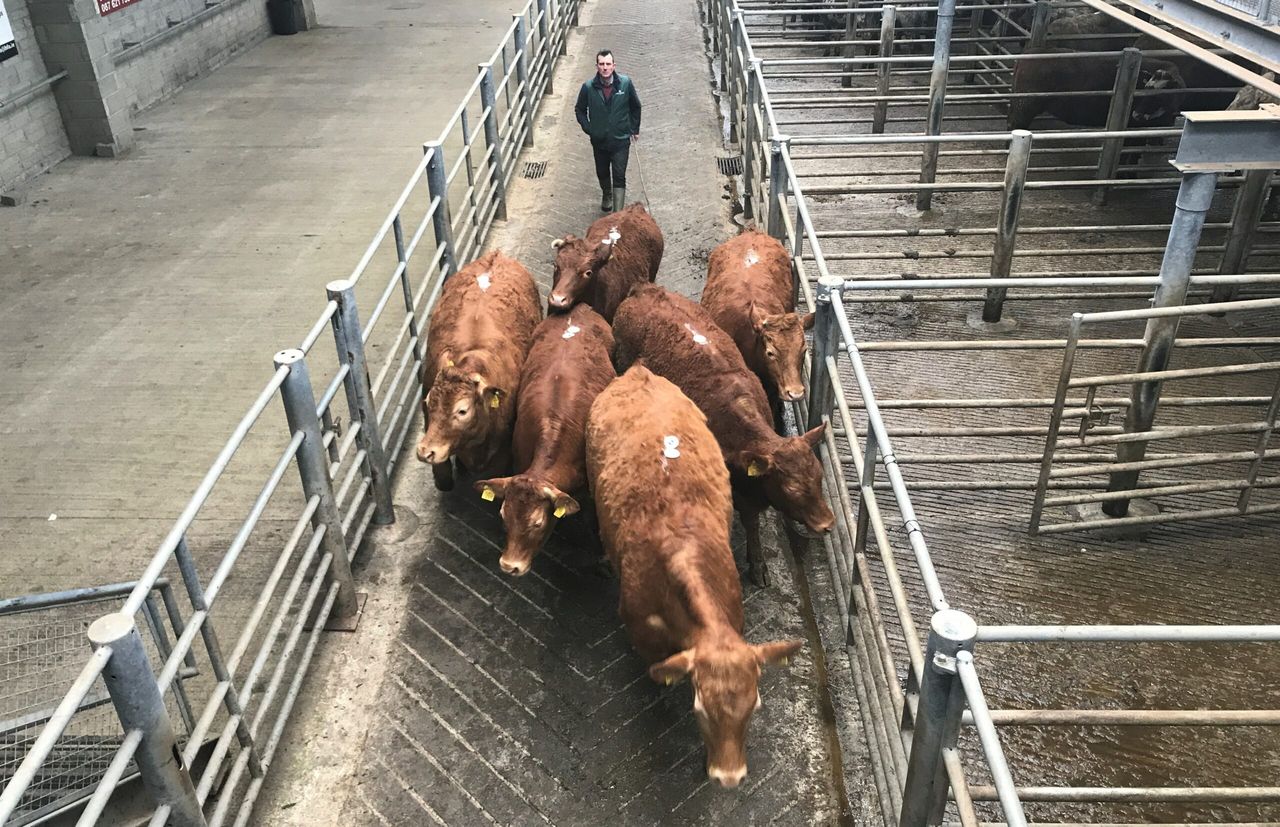
It is also an approach to dairy farming that ensures weanling calves go out to grass at six months-of-age: not six weeks.
These older animals are then best placed to make optimal use of grass once turned out the following spring. Issues such as grass scours do not become an issue in such circumstances.
And, finally, silage is totally insulated from the rigours of drought, assuming that enough of it is made at those times of the year when grass is plentiful and of optimal quality.