Sponsored
8 ways to cut your winter costs before the cattle come in


Sponsored by

Winter is the most expensive time of year on a livestock farm.
Meal, medicines, vet calls, and cattle that stand still all add up.
The following eight jobs around housing cost little to do, and each one can save you money between now and spring.
- Stop paying for doses you don't need;
- Vaccinate early to avoid the pneumonia bill;
- Fix the shed, not the sick calf;
- Weigh at housing so you know what you're feeding for;
- Record every dose to avoid costly mistakes;
- Find the animals that are costing you money;
- Test your silage before you buy meal;
- Check at 6 to 8 weeks before small problems get expensive.
Before they come in
Stop paying for doses you don't need
Not every flukicide kills every stage of fluke, so dosing at the wrong time can mean paying for a product that does little.
Getting it wrong is costly: Teagasc reports that fluke which is not treated correctly could cost €70 per finished steer in lost performance.
Plan the timing with your vet, and test dung samples before dosing blind.
Do a stock-take of the medicine press too, so you are not buying what is already on the shelf or binning out-of-date product.
Vaccinate early to avoid the pneumonia bill
A pneumonia outbreak means vet call-outs, antibiotics and calves that lose weeks of growth.
According to Teagasc, one outbreak in a beef herd was costed at €110 per calf across the whole group.
Many pneumonia vaccines need a couple of weeks to build immunity, so administer them before housing, not on the day.
Check the timing for your vaccine with your vet.
Fix the shed, not the sick calf
Fresh air without draughts is the cheapest pneumonia prevention there is.
Clear blocked inlets and outlets, check every pen has clean, working water, and do not overstock pens.
A few hours' work now costs far less than treating sick cattle in January.
At the crush
Weigh at housing so you know what you're feeding for
A housing weight is your baseline for the winter. Without it, you cannot tell whether the meal and silage you are paying for are actually putting weight on.
Record every dose to avoid costly mistakes
Note the product, batch, the animals treated and the withdrawal date.
An animal sold or milk sent inside withdrawal is an expensive mistake, and a missed record can cost you at inspection.
Doing it at the crush takes seconds.
Find the animals that are costing you money
The bottom quarter on daily gain eat the same feed as the rest but give you far less back.
Pen them together for better feed, a closer eye or a vet check, or decide early whether they are worth keeping over the winter.
The weeks after
Test your silage before you buy meal
Meal is one of the biggest winter costs. A silage test tells you whether you need it at all, and how much.
Body condition score the cows at the same time, so you feed them to calve down in the right shape without overspending.
Check at 6 to 8 weeks before small problems get expensive
Re-weigh to make sure the cattle are gaining on the winter diet, and ask your vet whether a follow-up fluke dose or dung test is due.
Catching an animal that is stalled in December is far cheaper than finding out in March.
Every farm is different; always take your vet's advice on products, doses and timing.
Save time as well as money
More than 20,000 Irish and UK farmers now keep these records on their phone with Herdwatch, the farm management app built in Roscrea, Co. Tipperary.
Instead of writing up the notebook at night, you record each job at the crush or the feed barrier as it happens.
The app works with no phone signal, so the shed is no problem.
Here's how it helps with the tips above:
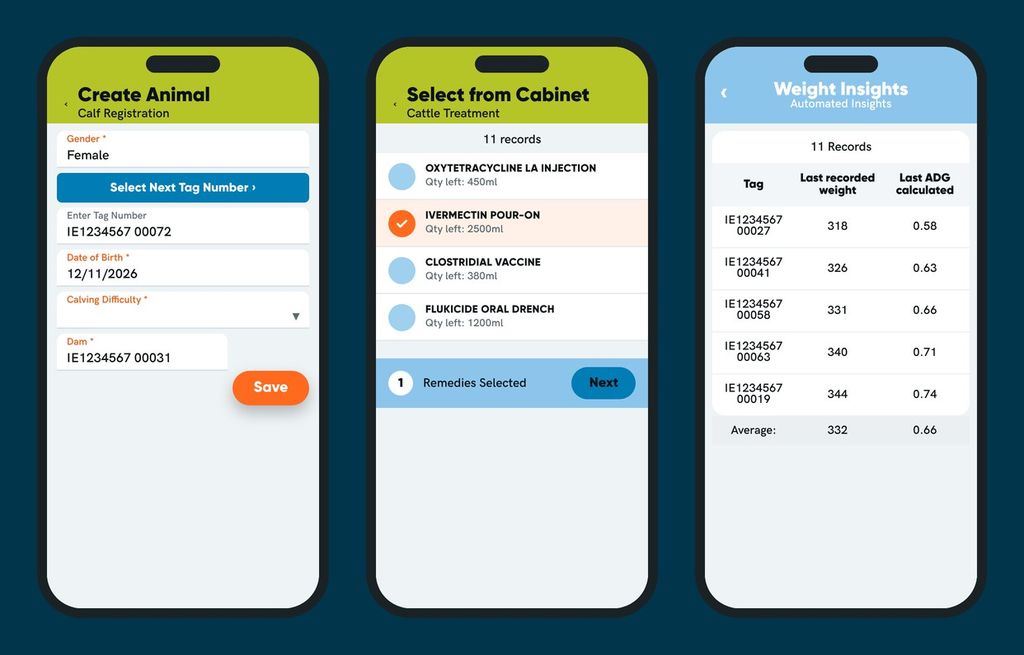
- Recording doses (tip 5): pick the product from your remedy cabinet, select the animals and save. The app tracks what is left in the press and flags animals still in withdrawal;
- Weighing and poor performers (tips 4, 6 and 8): connect your weigh head and EID reader, or upload the weigh file afterwards. Weight Insights splits every weighing into top 25%, average and bottom 25%, with daily gain for each animal;
- Follow-ups (tip 8): ask Herd Intelligence questions about your own herd in plain English, such as "which animals had the lowest weight gain at my last weighing?";
- The rest of the year: calf registrations, with the next tag number filled in for you, sync with AgFood and ICBF.
Herdwatch users save three hours a week on average, and the records are inspection-ready when anyone asks.
And with 50% off your first year until November 30, there is never been a better time to start.
What farmers say
Patrick and Carmel Banville are spring-calving dairy farmers in Co. Wexford.
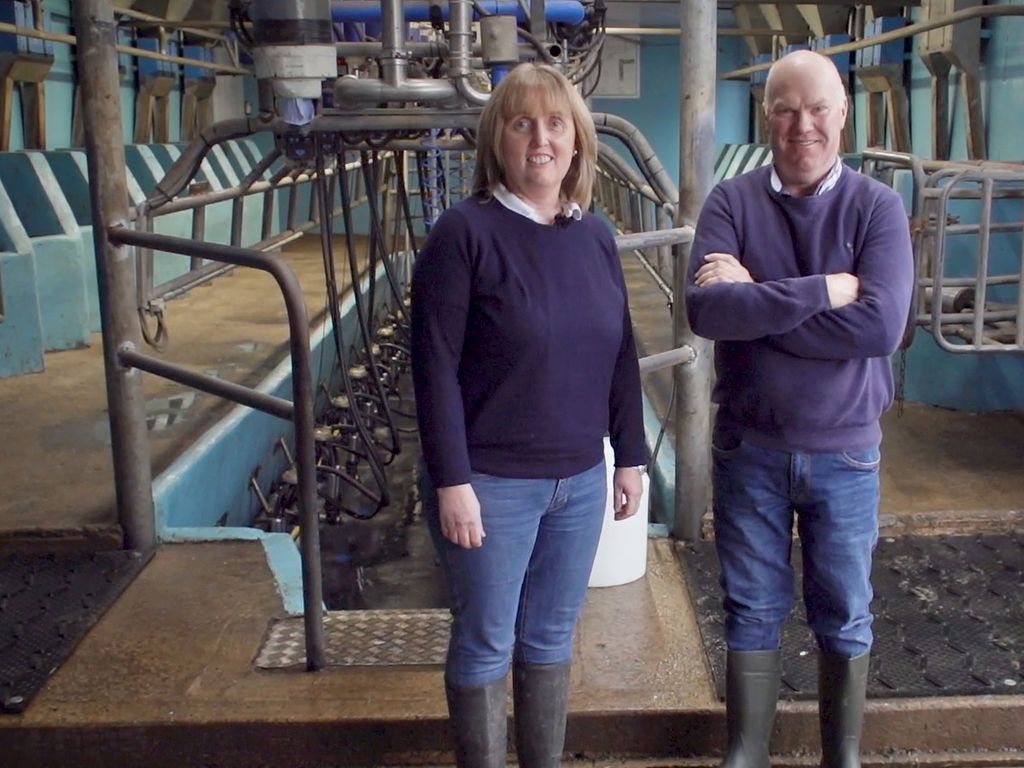
They have a 140-cow herd and tillage enterprise, with award-winning milk quality.
They had this to say about their experience using Herdwatch:
"For Bord Bia inspections, Herdwatch has taken away basically all the work, because everything is recorded throughout the year.
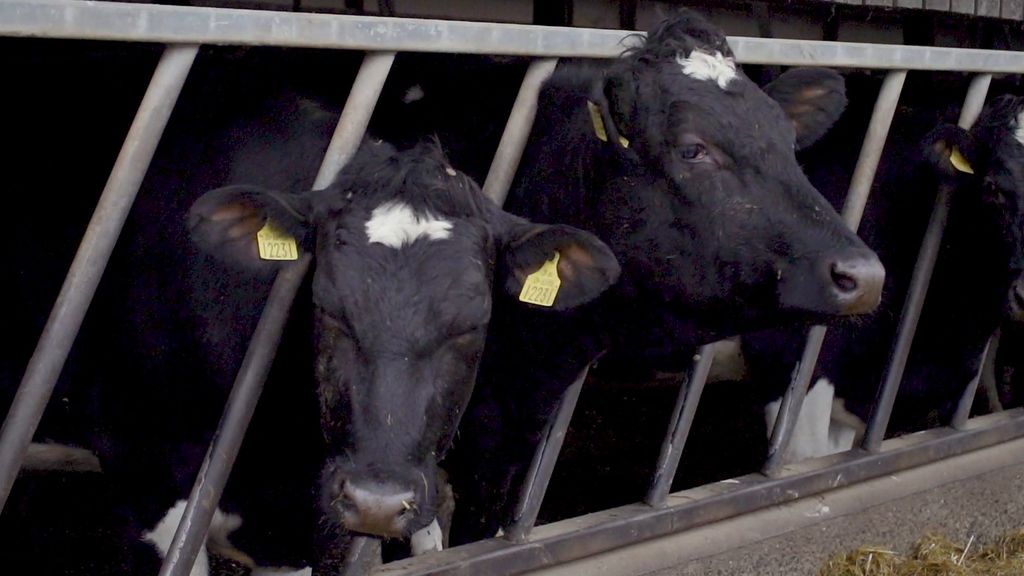
"Movements that used to be cumbersome are now instant and done on the spot in seconds.
"The app is really easy to use; you have all the information you want, and it genuinely changes the way you go about farming. We'd recommend it to anyone."
Why November is the time to get set up
The best time to start recording is before the winter jobs pile up, not in the middle of calving.
Start now and your housing doses and weights are on record from day one, with everything in order before the spring rush.
It is also the cheapest time to start; for November only, Herdwatch is offering 50% off your first year on new annual subscriptions.
The offer ends on November 30. Setting up is free - the Herdwatch team will upload your herd for you, so you can start recording from day one.
The Irish-based support team is on hand if you get stuck.
Topics
Sponsored by