Opinion: Slurry is liquid gold for tillage farmers

Spring 2027 should be the season when Irish tillage farmers truly embrace the potential that slurry can make within their businesses.
At a time when the price of all chemical-based crop inputs continue to strengthen, it is hard not to conclude that the most widely available organic fertiliser available throughout Ireland should take its place as an indispensable driver within all cropping systems.
Ongoing Teagasc research is already pointing to the benefits of applying slurry to autumn-drilled cereal crops during the early spring period.
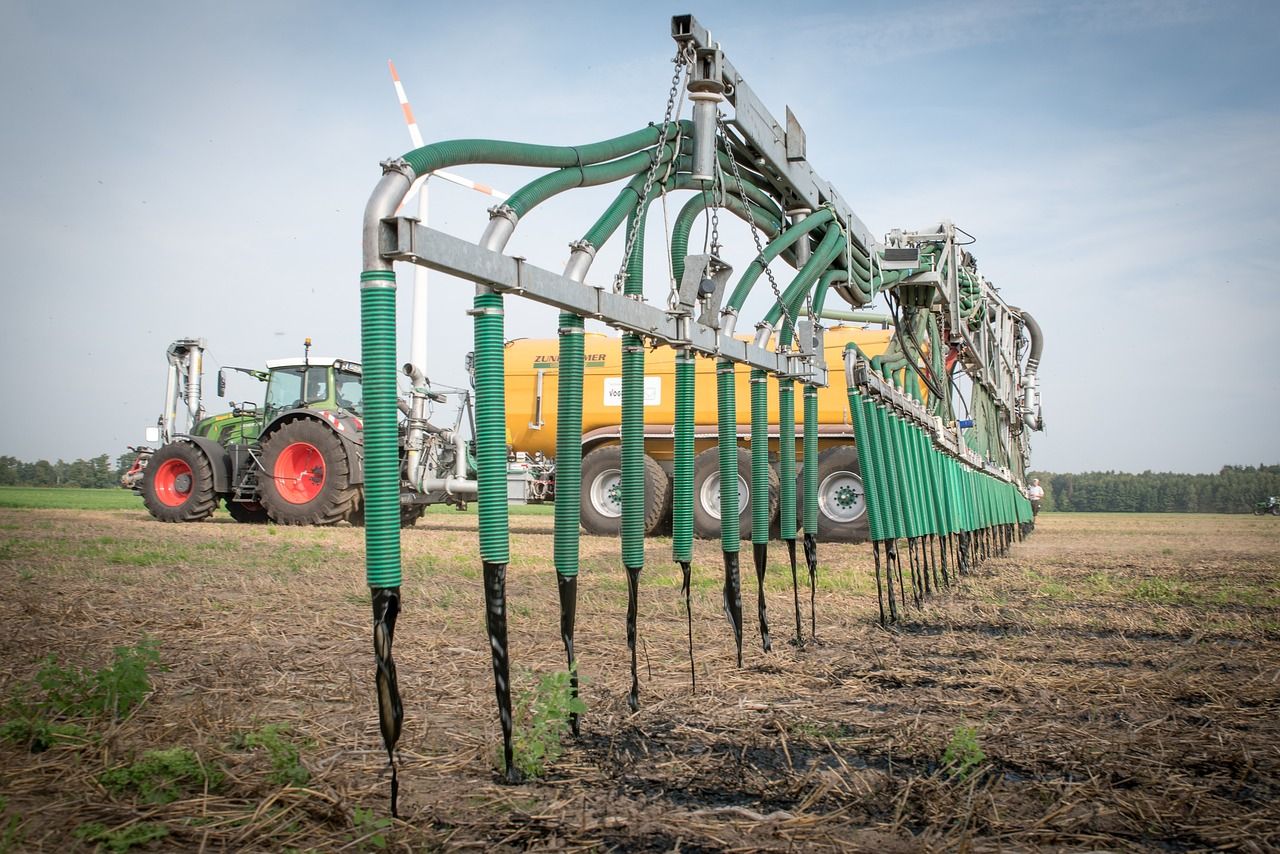
It is logistically possible to make this happen, given the fact that most agricultural contractors now have access to umbilical slurry spreading systems.
However, such an approach can be tweaked by separating the slurry and using the liquid component only as a fertiliser source for arable crops.
This approach immediately reduces the issue of the slurry solids forming a crust on the leaves of the fast-growing crop.
For any fertiliser to have maximum effect, it must impact at root level as quickly as possible - not clogging up the leaves where the required photosynthetic activity takes place.
Slurry solids
The question then becomes: how to make best use of the slurry solids?
The very obvious route to application is their use as a soil conditioner in the production of forage maize and fodder beet
Recent years have seen a fast-growing demand for alternative forages within the dairy and beef sectors.
Maize, beet and whole crop cereals are now universally regarded as key components within the total mixed rations fed to dairy and beef cattle.
The problem is that of insufficient alternative forage availability all year round.
This is an issue that tillage farmers can help resolve given their inherent abilities to grow crops of the highest standards.
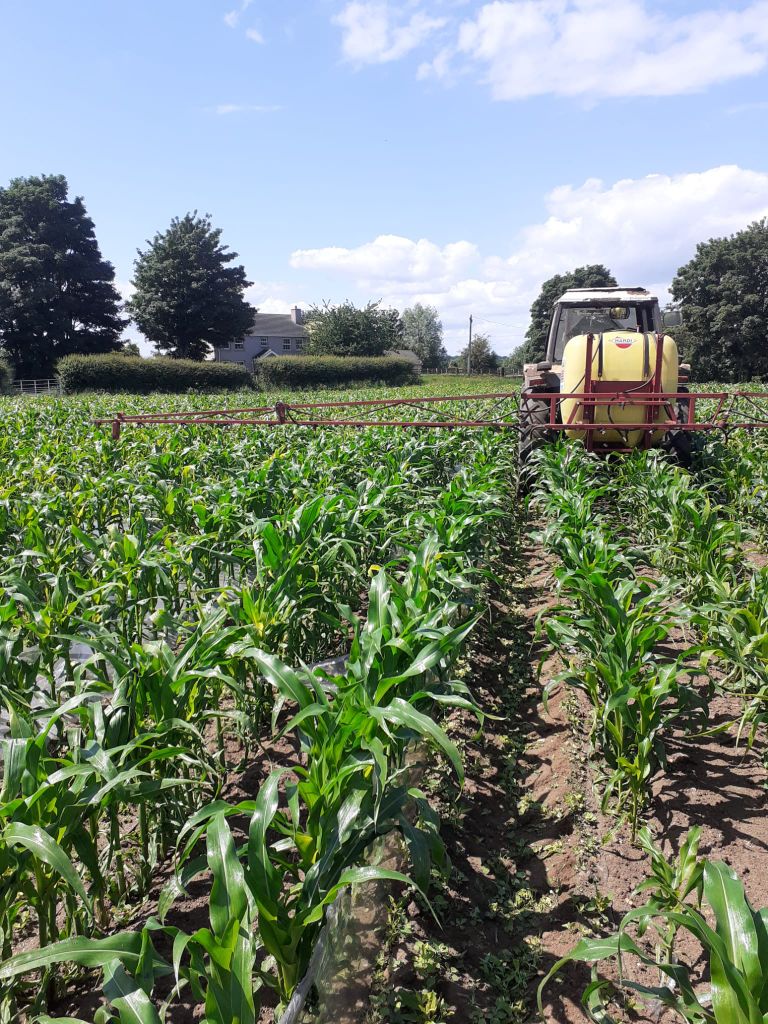
The fact is that forage maize is no longer a marginal crop when grown under Irish conditions. The recent strides made in developing new varieties that reach full maturity in temperate climates have allowed this to become reality.
Meanwhile, Irish tillage farmer have spent recent years questioning the viability of the spring cropping options available to them.
Feed barley is marginal at best while the malting alternative is no longer the premium choice it once was.
This leaves the field open for forage maze, with the proviso that growers have guaranteed customers for the harvested crop.
Meanwhile, fodder crops represent an extremely significant utilisation option for slurry and other organic manures. And this is a truly good news’ story, from a water quality perspective.