Heydon introduces bird flu biosecurity regulations

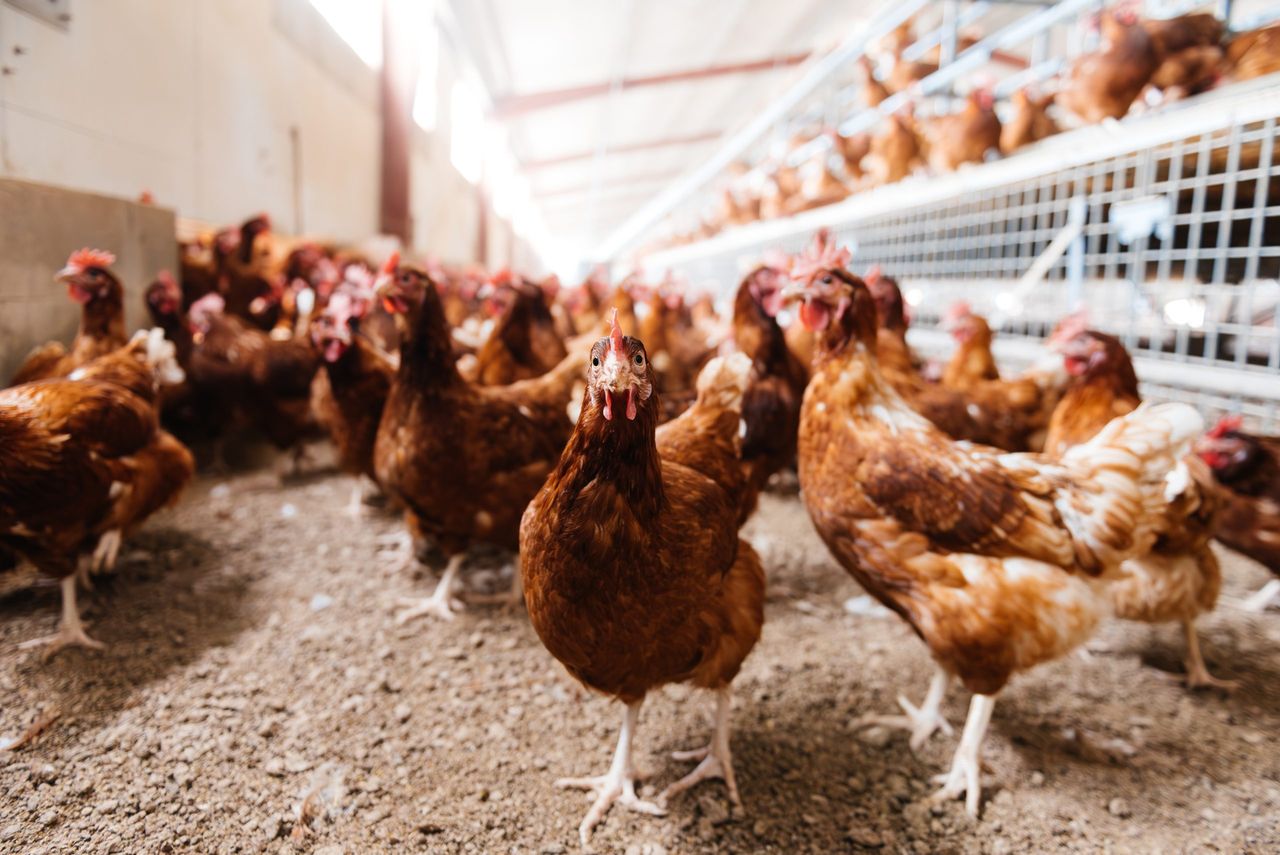
Minister for Agriculture, Food and the Marine Martin Heydon has announced the introduction of biosecurity regulations in relation to avian influenza, or bird flu.
These measures will require all flock keepers to apply specific biosecurity measures at establishments keeping poultry and other captive birds.
The measures will come into effect on Wednesday (November 18), and are aimed at mitigating the risk of highly pathogenic avian influenza (HPAI) to poultry and captive birds in Ireland.
The measures will include preventing mixing with wild birds; ensuring a clean and disinfected environment; minimising the amount of non-essential people who have access to the holding; keeping records of visiting people and vehicles; and responsible poultry sourcing, among several other measures.
Minister Heydon also said that the introduction of a compulsory poultry housing order is under active consideration, and that the department is monitoring the epidemiological situation closely.
HPAI
Ireland is in the higher risk period for HPAI. The arrival of migratory birds and colder temperatures increases the risk and allows the virus to survive in the environment for longer periods of time.
There has also been a rise in HPAI cases in wild birds and outbreaks in poultry and captive birds across Europe and Britain.
The department said the regulations are being introduced as a precautionary measure to help protect poultry and captive birds from the increased risk levels.
Minister Heydon said: "Although we have seen very few cases of avian influenza in wild birds in Ireland this year, the outbreaks we are now seeing in Britain show that the virus is circulating close to home.
"The risk to Irish poultry and captive bird flocks increases substantially as winter approaches, due to the seasonal migration of wild birds to Ireland," he added.
"I am introducing these regulations now, because prevention is our best defence.
"Ireland regained its freedom from HPAI at the start of this year following outbreaks in five commercial flocks last winter, and I want to protect that status and the livelihoods that depend on it.
"Strict and consistent biosecurity is the most effective mechanism to reduce the risk of transmission, and I am asking every flock keeper, whether they have thousands of birds or a few hens in the back garden, to play their part," Minister Heydon added.
He said: "The department is continuously reviewing the risk and are actively considering the introduction of a housing order should the risk increase."
The department is calling on all flock owners, regardless of flock size, to remain vigilant for signs of disease, implement and maintain strict biosecurity measures, and report any suspicion of disease to their local department Regional Veterinary Office (RVO) or, if outside business hours, to contact the National Disease Emergency Hotline on 01 492 8026.
Members of the public are reminded not to handle sick or dead wild birds. Any dead wild birds should be reported to the department using the Avian Influenza Wild Bird reporting App (AvianCheck).
The department said it continues to closely monitor and assess the evolving disease situation, both in Ireland, Northern Ireland and Great Britain, and remains in regular contact with industry stakeholders and counterparts in Northern Ireland.
The announcement of bird flu-related restrictions follows a suspected case of bird flu at a commercial poultry premises in Co. Tyrone.