Potato prices expected to rise as drought hits yields

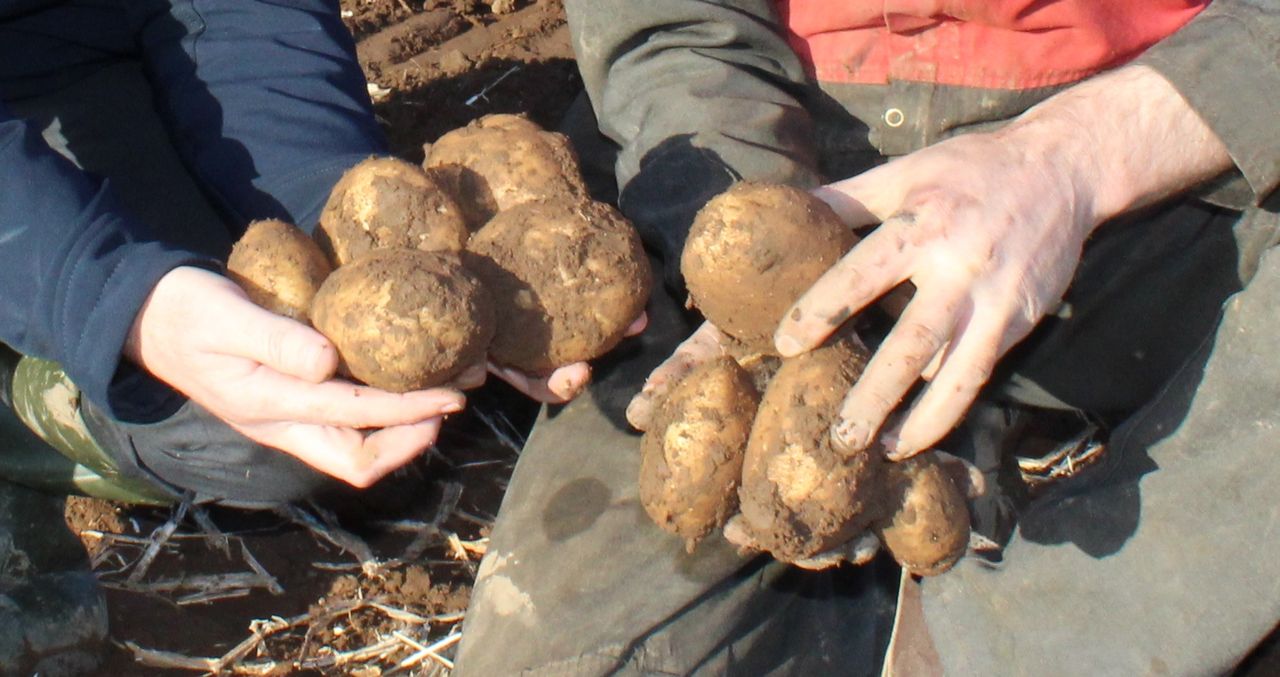
Potato markets are likely to strengthen over the coming weeks, according to Irish Farmers Association (IFA) Potato Committee chair, Jason O’Leary.
He explained: “The Irish potato industry was hit very badly by drought earlier this year.
“And the same story unfolded in the UK and across mainland Europe.
“The end result is a shortfall in potato output for the coming season. And this must be reflected back to farmers in a meaningful way.
“In addition to the poor yields, growers have also been grappling with extremely high input costs. All of this must be reflected back in the price they receive for their produce.”
According to the IFA representative, retailers, packers and the food service sector must all recognise the significant pressure on potato margins at the present time.
He said: “It’s important that everyone makes a realistic margin while also ensuring that the public can have access to high quality potatoes at prices that will not negatively impact on consumption levels.”
Potato conference
O’Leary made these comments on the eve of the biennial IFA/Bord Bia/Teagasc potato conference.
The event takes place tomorrow (Tuesday, November 17) in the City North Hotel, Gormanstown, Co Meath.
The overarching theme of the conference is 'resilience and diversification'.
O’Leary said: “We need to look at ways of expanding the product profile which the Irish potato sector has to offer.
“There are alternatives to Rooster and we need to look at how this can be best managed into the future.
“Putting all our eggs into the one basket that is made up almost entirely of Rooster potatoes makes no sense at all.”
Teagasc is confirming that the 2026 potato harvest is fast coming to a conclusion.
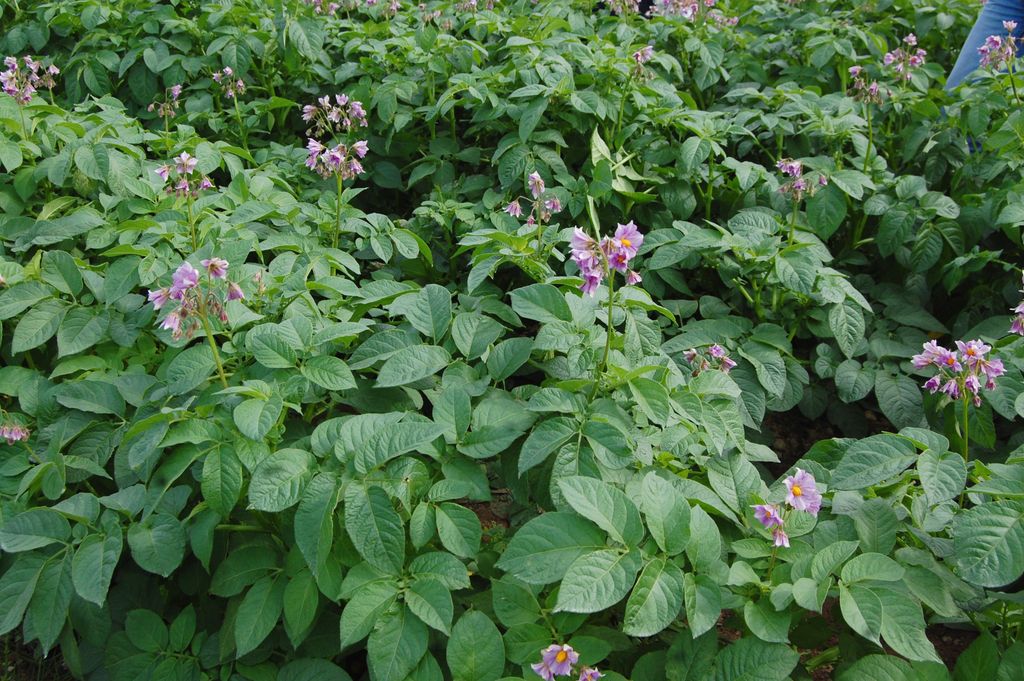
Field work continues apace in some parts of the country: the north-east, Co. Donegal and Northern Ireland.
However, the coming days should see all harvesting operations completed.
Teagasc potato specialist, Shay Phelan commented: “The continuing dry weather and excellent ground has helped growers to push on with this year’s harvest.
“We estimate that average yields are down between 15% and 16%, year-on-year.
"Where Rooster crops are concerned, this would bring the actual figures own to between 15t and 16t/ac.”
However, according to the Teagasc representative, in a number of cases, yield reductions were "extremely high, up to 50% in some cases".
"This was a direct result of the drought conditions that impacted the country throughout the entire summer period," Phelan said.