Rowback on 'safeguards' to protect farmers from Mercosur deal

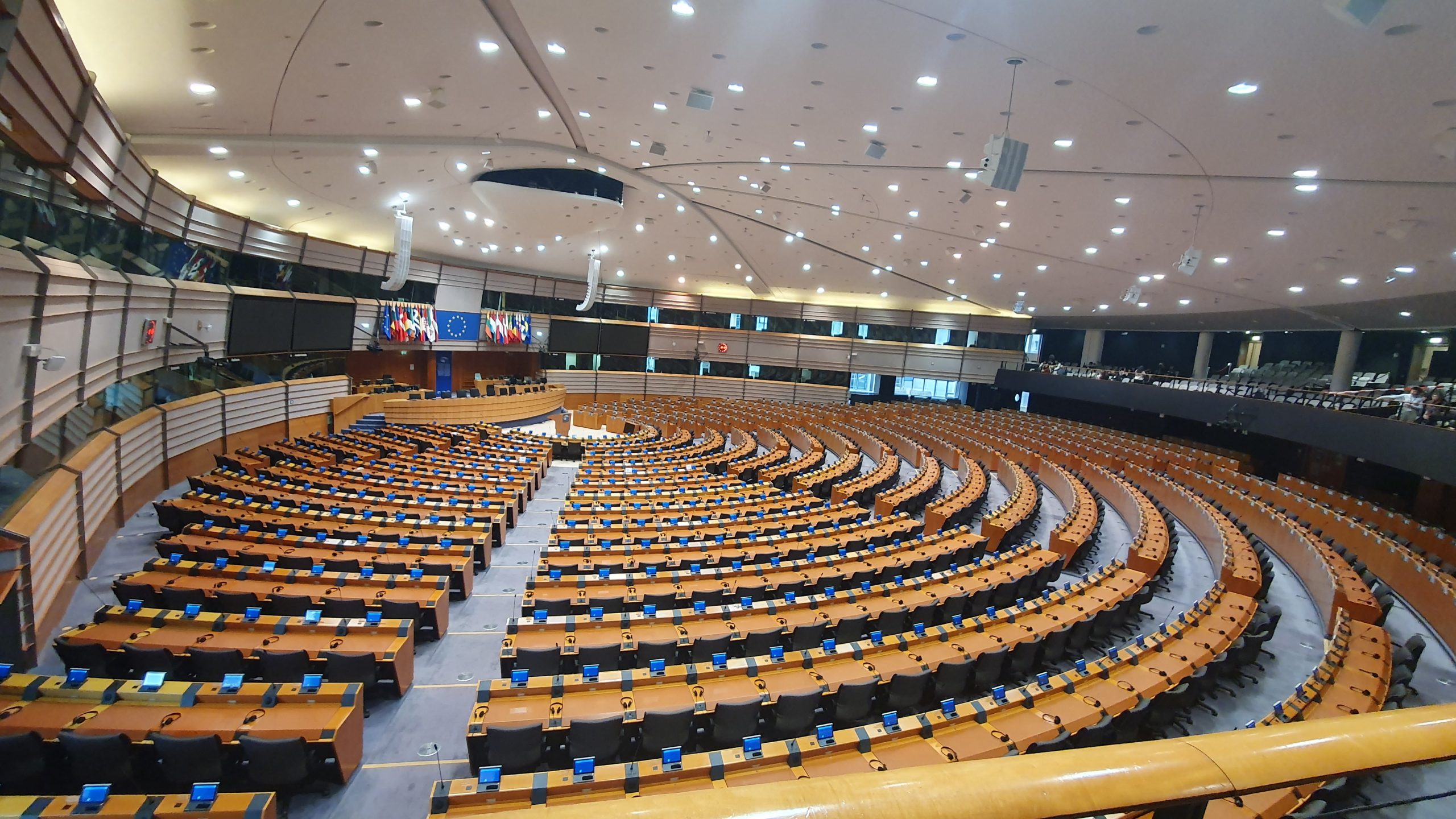
Yesterday (Wednesday, December 17) the European Parliament and Council negotiators informally agreed on measures which they believe protect EU agriculture once the EU-Mercosur trade and partnership agreements are in place.
However the so-called safeguards are far less than what farmers had initially hoped for and certain action will only be triggered if there is an 8% drop in price, rather than the 5% drop some MEPs had proposed.
The Mercosur trade deal would see Mercosur countries such as Brazil and Uruguay remove import duties on 91% of EU goods.
However, on the other side of the agreement, the Mercosur countries would get to sell their goods to the EU with fewer restrictions.
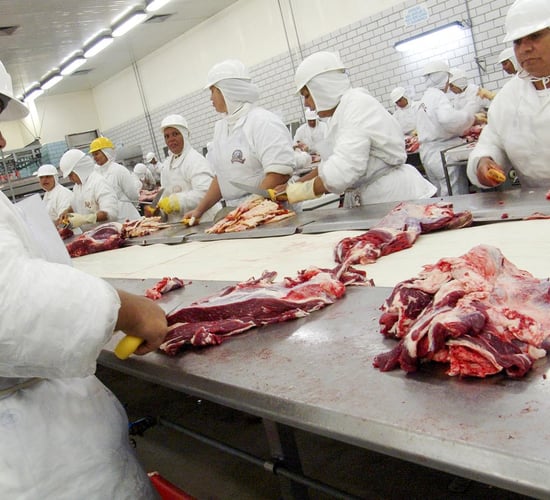
These include sugar, honey, soybeans, and, importantly to Ireland, meat, specifically beef.
'Safeguards'
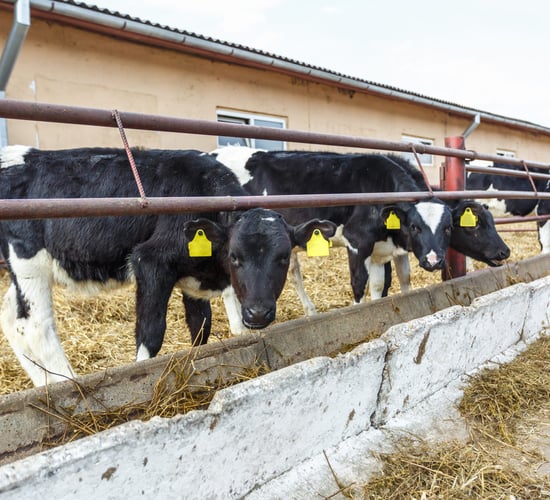
The draft regulation sets out how, in the context of the Mercosur trade agreement, the European Commission could decide to temporarily suspend tariff preferences on the import of certain agricultural products considered sensitive (such as poultry or beef) from Argentina, Brazil, Paraguay and Uruguay if these imports are seen to be harming EU producers.
Among the measures agreed are:
- An increase in import volume of more than 8% compared to the three-year average would be evidence of serious injury and would trigger an investigation into suspending preferential tariffs;
- A decrease in prices of more than 8% compared to the three-year average would also be treated as serious injury and give reason to start an investigation;
- The commission may extend the scope of its monitoring to non-sensitive products, upon request by the EU industry;
- Investigations should be concluded within at least six months in the case of non-sensitive products and as quickly as possible but after three months in the case of sensitive products;
- For sensitive products there will be the possibility to adopt provisional measures, without delay and within 21 days after a notification;
- The commission will constantly and proactively monitor imports of sensitive products and produce a monitoring report, at least every six months, with an assessment of the impact of those imports, and report to parliament and council;
- The exchange of data between member states and the commission will be improved;
- The European Commission will issue a statement ensuring stronger alignment of production standards applied to imported products, notably on animal welfare and pesticides from Mercosur countries.
Rapporteur Gabriel Mato stated afterwards: “Today, we send a clear message: we can move forward with the Mercosur agreement without leaving our farmers unprotected.
"We have agreed on a robust, swift and legally sound safeguard mechanism that allows us to respond in a timely manner to market disruptions and provides the certainty the sector has long been calling for.”
Chair of the International Trade committee, Bernd Lange said: “We have done our utmost for our agricultural sector. They can rest assured that any potential disruption to our market will be detected in good time and dealt with.
"Now that everyone understands how this additional safety net will work, the way is clear for the approval of the much-needed EU-Mercosur trade agreement.”
The provisional agreement will need the formal adoption by both EU Council and Parliament before it can enter into force.
The EU is Mercosur's second-largest trading partner in goods, with exports of €57 billion in 2024.
The EU accounts for a quarter of total Mercosur trade in services, with EU exports to the region amounting to €29 billion in 2023.
Reaction
MEP for the Midlands-North-West Ciaran Mullooly has reacted with dismay to the move just two days after the European Parliament adopted amendments to strengthen safeguard measures for farmers, those same protections have now been abandoned in negotiations.
He said: "I am bitterly disappointed by the outcome of this negotiation.
"I reject the terms agreed as being totally inadequate - and I repeat the very clear conclusion that - without a vote of approval for this rotten trade deal from either the parliament or the EU Council - the president of the commission still has no mandate to sign even a provisional deal in Brazil this year.
"An 8% annual price drop over five years would reduce beef prices to just 65.9% of their original value, representing a 34.1% total loss for farmers.
"E.g., a beef price of €7.50/kg would fall to approximately €4.94/kg after five years. This compounded decline is devastating with year five bringing prices down to 65.9%.
"This is not a safeguard, it is a slow-motion collapse of farm incomes for the red and white meat industry."
Mullooly has called on the Irish government to work urgently with allies to block the Mercosur deal at the imminent EU Council meeting, stating that failure to do so would represent a betrayal of beef and poultry, farmers and rural communities across Europe.