Root uptake of growth boosting microbes governed by crop type - study

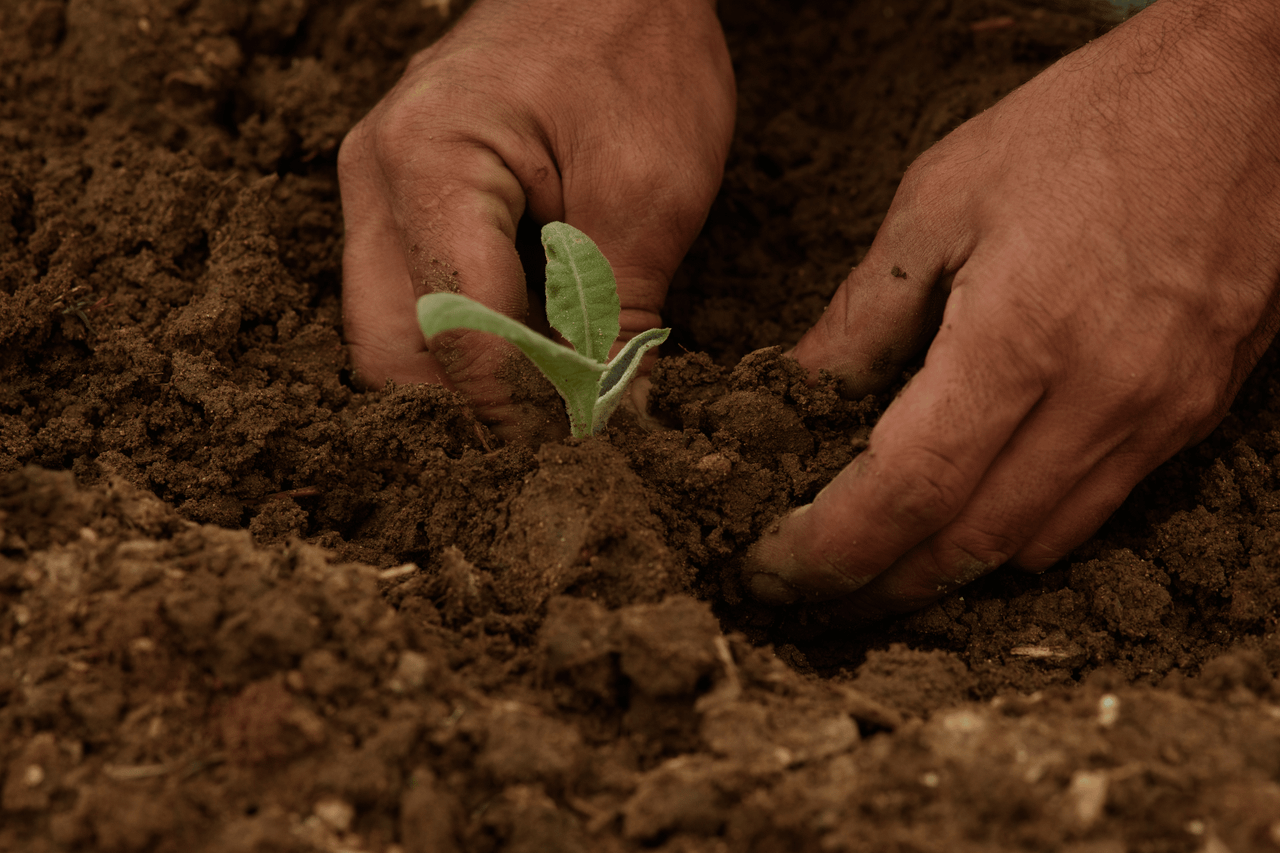
It is crop type that will actively determine uptake levels of ‘growth boosting microbes’, rather than the makeup of the actual soils they are growing in.
This is according to the results of recently completed Rothamsted trials.
In the study, soil obtained from across nine UK locations was used to cultivate six key arable crops: wheat, barley, oats, fava beans, oilseed rape, and sugar beet.
Researchers found that although the local soil environment selected which kinds of bacteria were present, the crop species determined the beneficial microbial functions of those bacteria.
These findings have significant implications for the design of microbial inoculants and microbiome-assisted breeding strategies for sustainable agriculture.
The scientists involved used the UK Crop Microbiome Cryobank (UKCMCB), the world's first open crop and soil microbiome resource, to characterise more than 24,000 bacterial cultures and 315 soil microbiome libraries.
Dr. Rodrigo Taketani of Rothamsted Research, explained: "What really stood out was that the soil environment dictates which bacteria are present, but the crop selects bacteria based on what beneficial functions they provide.
"This tells us that plants are actively selecting microbes for their functional properties: for example, to help with nutrient acquisition or stress tolerance.
“And in so doing, they draw on locally available bacteria to provide these services."
Crop choices
According to the trial work that has been carried out, different crops seemed to “choose” microbes with different skills:
Sugar beet and oilseed rape rhizospheres attracted microbes that help plants survive dry conditions, likely because their large tap roots create a drier root environment.
Meanwhile, barley attracted microbes that help unlock zinc from the soil, which plants need to grow.
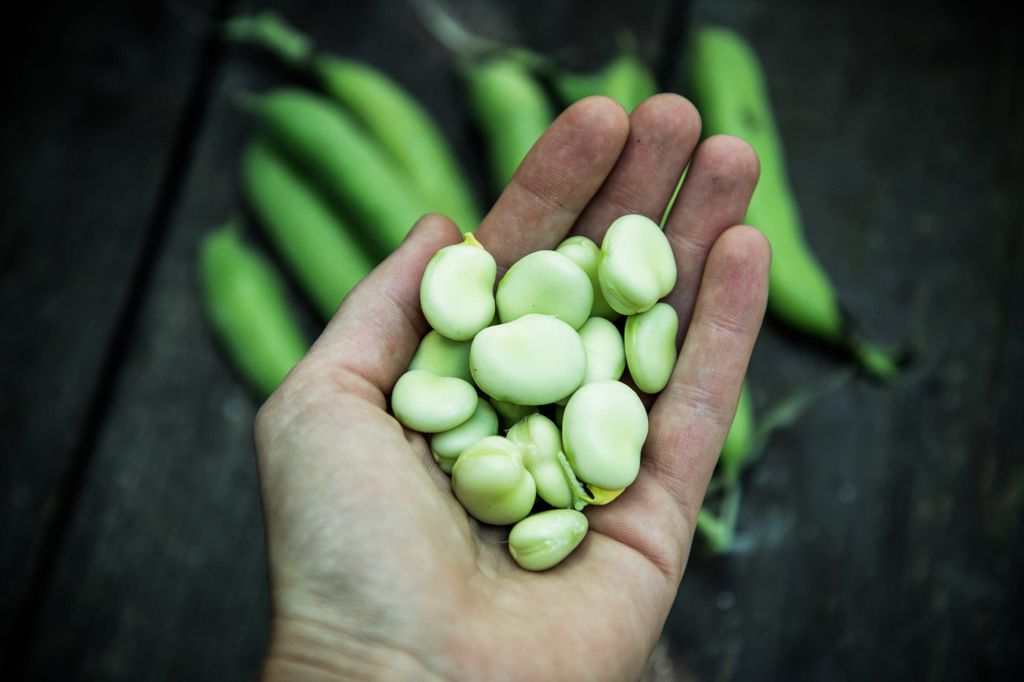
Significantly, fava bean rhizospheres attracted fewer microbes capable of breaking down organic sources of nitrogen in the soil.
This is potentially because the legume/rhizobium partnership already provides a sufficient nitrogen supply.
According to Rothamsted scientists, these functional differences between crops are remarkably consistent across very different soils and locations.
"The fact that the same crop-specific patterns were observed, whether the soil came from Scotland or Hertfordshire confirms there is a genuine biological selection driven by the plant - not a quirk of any particular soil type."
So, due to the high microbial diversity and competition in soil, a 'one-size-fits-all' approach to microbial inoculation is unlikely to be optimal.
A more effective long-term approach may be to breed crops that are better at selecting beneficial native soil microbes, rather than relying on introduced strains that often fail to establish.