What will new EU rules on meat labelling and 'fair pricing' mean for farmers?

New rules are in the pipeline which aim to "stabilise" farmers' incomes in the EU by ensuring food prices better reflect the real cost of production.
The European Parliament today (Tuesday, June 16) voted to back the rules which aim to ensure fairer pricing for agricultural products and strengthen the position of farmers in the food supply chain.
The new regulations will also strengthen the role of producer organisations in the EU.
The provisional agreement by MEPs on these rules will have to be approved by the European Council before they can come into force.
However MEP Celine Imart, who led the negotations on these rules, believes the agreement delivers "a major victory" for farmers.
Under the new rules in relation to the food supply chain, member states will have to publish "online benchmarks" for use in "contractural arrangements".
In addition to this they will introduce new measures such as "mandatory written contracts to support dairy producers’ incomes" because of current challenging market conditions.
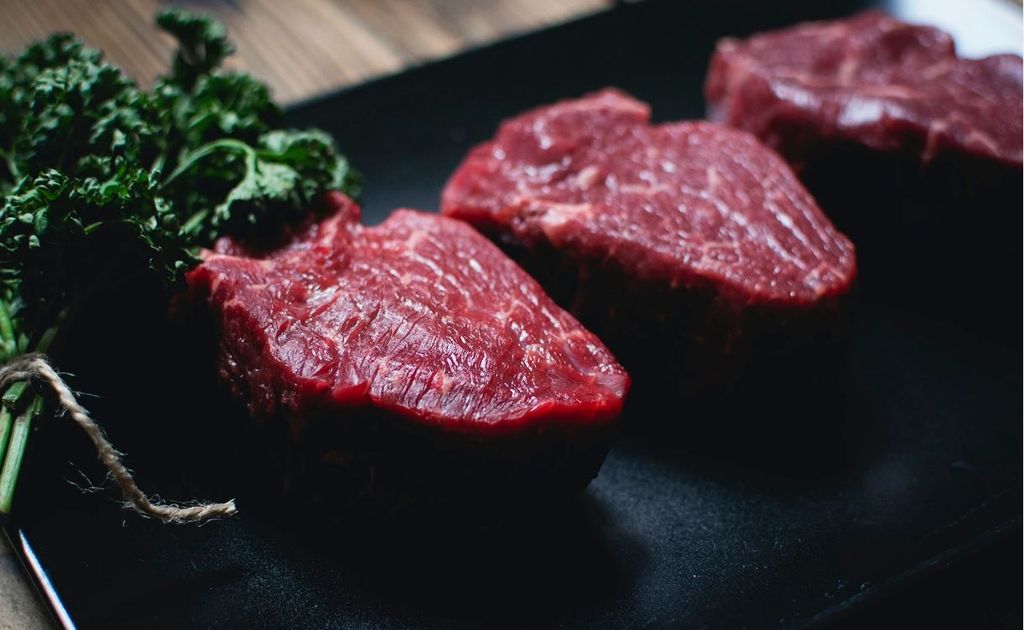
The EU Parliament today has also moved to back an exact definition of meat as “edible parts of animals”.
It has published a list of terms that can only be used for meat products.
"These terms are beef, veal, pork, poultry, chicken, turkey, duck, goose, lamb, mutton, ovine, goat, drumstick, tenderloin, sirloin, flank, loin, steak, ribs, shoulder, shank, chop, wing, breast, liver, thigh, brisket, ribeye, T-bone, rump and bacon," the European Parliament confirmed today.
None of these terms will be able to be used for products that do not contain meat, such as lab-grown or cell-based products.
Farmers
According to MEP Imart the new rules will not only strengthen farmers' market position but will also introduce legal protections, and protect cultural heritage.
She added: "Contracts will now guarantee them a fair place in the supply chain, while a mandatory mediation mechanism will protect their income during buyer disputes.
"The agreement also represents an undeniable success for traditional livestock production.
"Terms such as steak and liver are now strictly reserved for livestock products, to prevent unfair competition and reward unique agricultural know-how.
"The text explicitly bans lab-grown or cell-based products from using the designation meat, taking a decisive step towards preserving our agricultural and food heritage.”