Over €45m vacant property refurbishment grants paid in Q1 2026

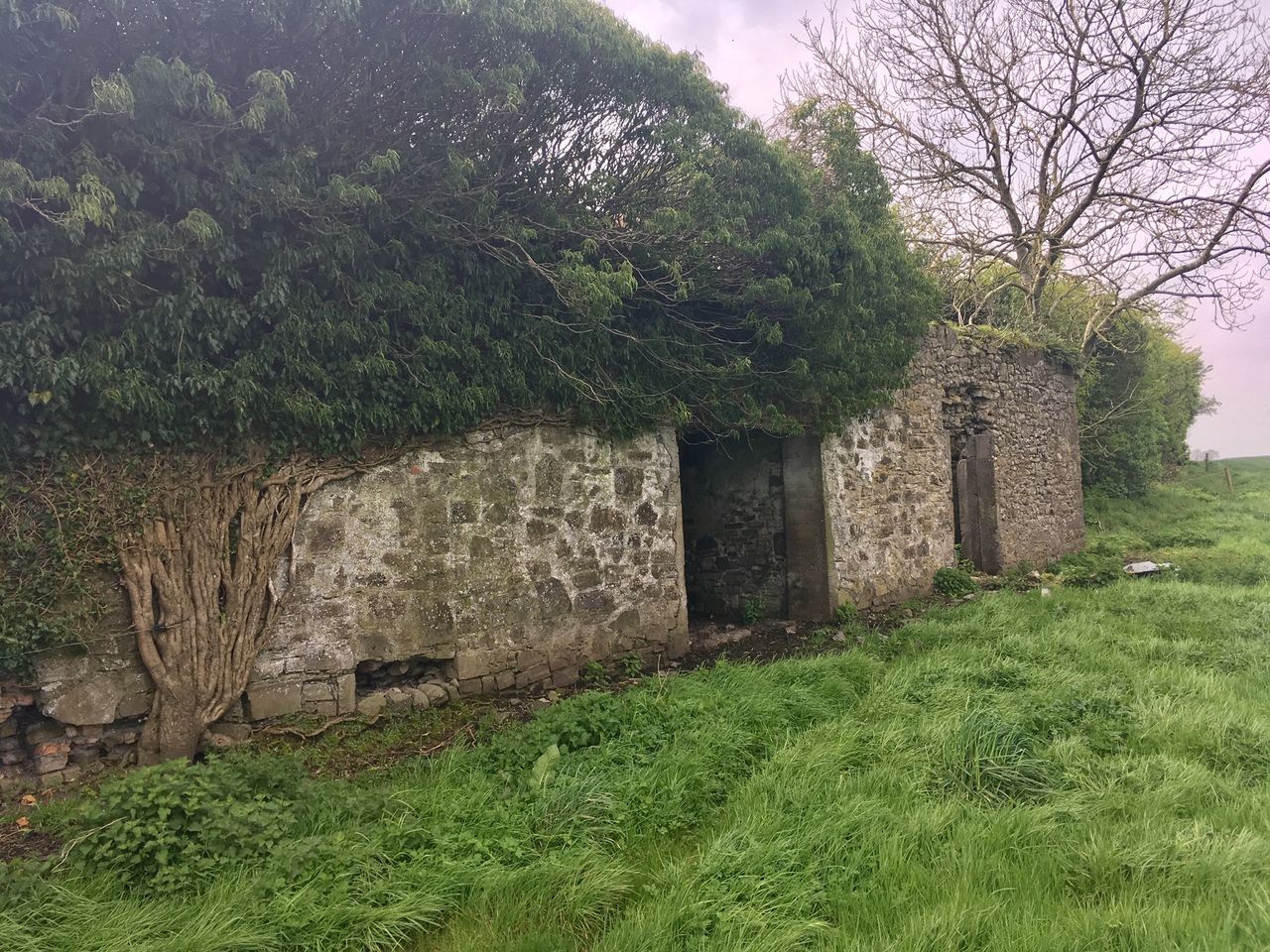
An estimated €45 million has been paid out under the Vacant Property Refurbishment Grant in the first three months of this year.
From January 1 to March 31, the Department of Housing, Local Government and Heritage received 1,329 applications for the grant.
Of these, 1,065 applications have been approved, 816 of which have been paid on completion of works, leading to payments exceeding €45 million.
A total of 28 applications were rejected.
Since the launch of the scheme in 2022, approximately €285 million has been paid out on completion of works, to 5,330 applicants.
Last year, over 3,000 previously disused homes were returned to use under the Vacant Property Refurbishment grant, with the rate of grant payments in 2025 more than doubling compared to 2024.
Qualifying for grants
A grant of up to €50,000 is available for vacant properties and up to €70,000 for derelict properties, both of which fall under the Vacant Property Refurbishment Grant umbrella.
To qualify, the property must have been vacant for at least two years and it must have been built before 2008.
Applicants must also be able to show that they own the property or are in the process of buying it. Once the refurbishments are complete, applicants must live in the property as their principal private residence or make it available to rent.
There are also repair and leasing grants available.
If you own a property that has been vacant for at least one year and is need of repairs to bring it up to the required standard for renting, you may be eligible for the Repair and Leasing Scheme.
If the property is suitable for social housing, local authorities can pay up-front for repairs when the owner agrees to lease it to the local authority for between five and 25 years.
The cost of the repairs is offset against the agreed lease rental payment until the value of the works is repaid.
Derelict Property Tax
If the grants are the carrots in terms of tackling dereliction across the country, what are the sticks?
On Sunday (June 14), the government announced plans to introduce a new Derelict Property Tax (DPT). If implemented, it will replace the existing Derelict Sites Levy and will be collected by the Revenue Commissioners.
A spokesperson for the Department of Finance told Agriland: “Revenue have a proven track record in achieving high rates of voluntary compliance with the taxes under its care and management.
“The move from the levy to a Revenue-collected tax is anticipated to impact the behaviour of derelict property owners, influencing them to bring properties back into sustained use.”
Currently, the Derelict Sites Levy is an annual levy of 7% of the site’s market value.
The rate of the DPT is yet to be determined. However, it is envisaged that the rate of the tax will not be lower than the current 7% rate.
It is intended to legislate for the DPT as part of the autumn Finance Bill. This is dependent on engagement from stakeholders and will also be influenced by advice received from the Attorney General.
According to the Department of Finance spokesperson, officials in the department are working with colleagues in Revenue and in the Department of Housing, Local Government and Heritage on the design of the DPT.