Risk of lungworm back on the cards as rain falls

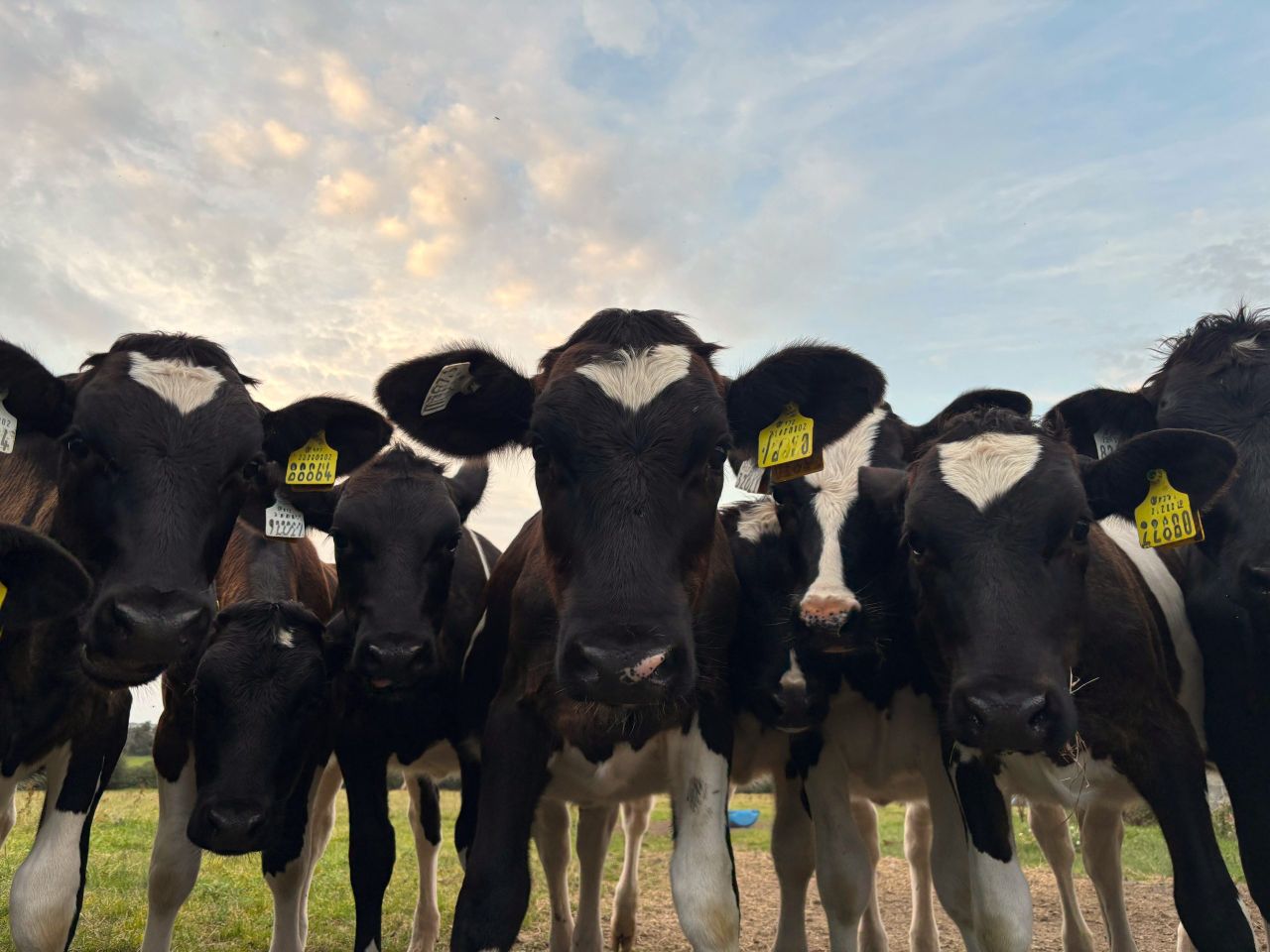
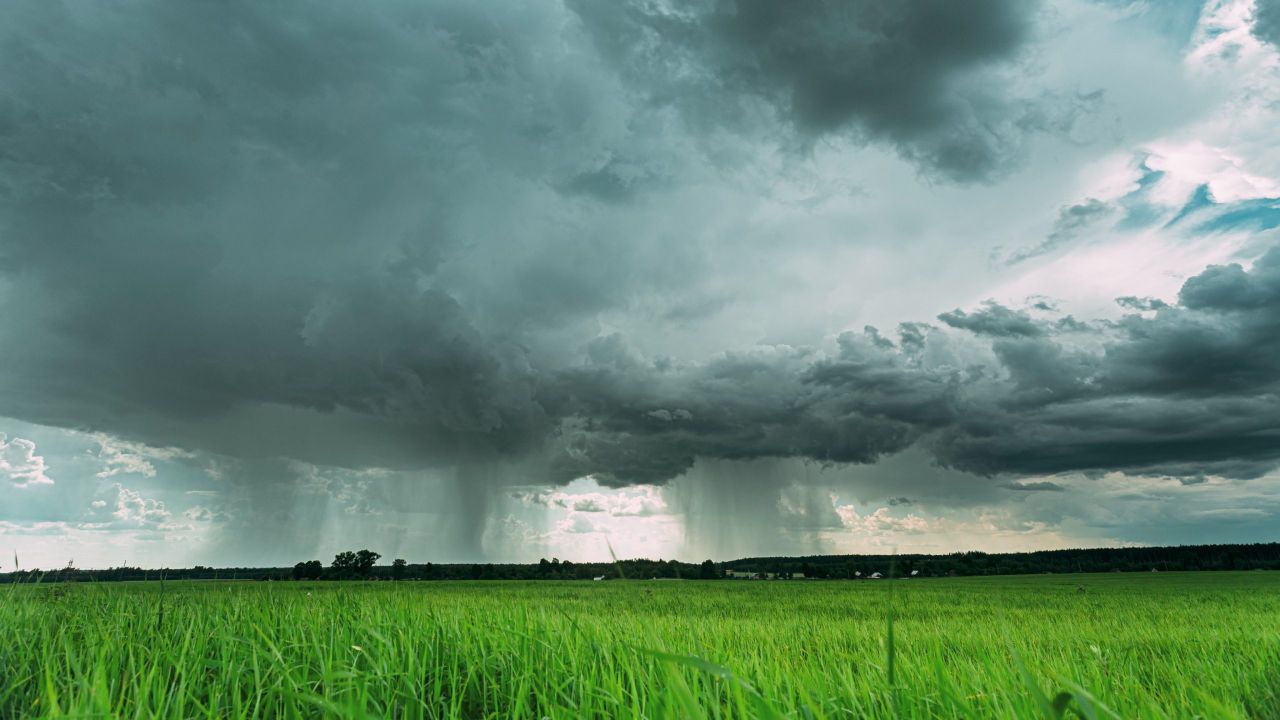
With rain beginning to fall following a prolonged period of dry weather, the risk of lungworm is back on the table.
You will often see lungworm start off with one or two animals struggling to catch their breath or coughing, and before you know it, the disease is spreading through the herd.
It is often more noticeable when cattle are being moved, as they can begin to struggle with breathing.
Once coughing develops, it can then quickly turn into pneumonia which will take the animal longer to recover from, while affecting yield and even proving to be potentially fatal in some cases.
Lungworm
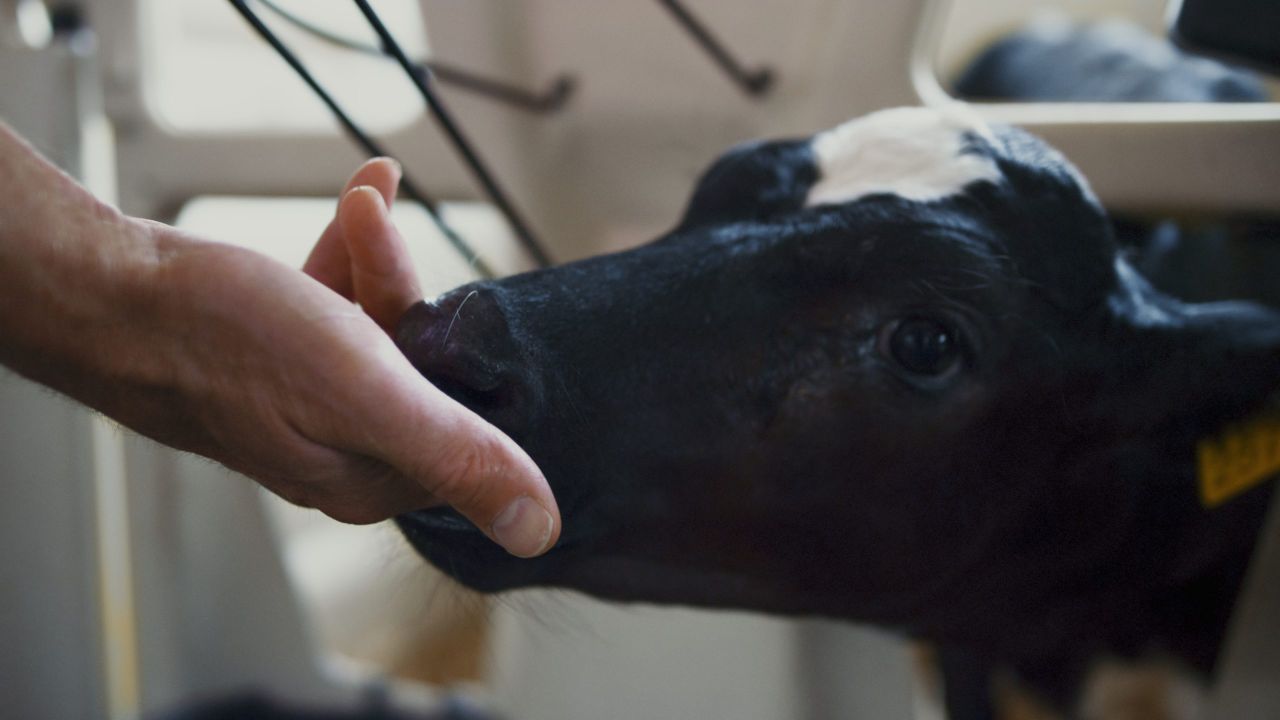
The young dairy replacement heifers or any other stock out on their first season of grazing are most susceptible to the infection as they have no immunity built up against the parasites.
That is why it is critical that any calves are closely monitored for any clinical signs, as well as trying to avoid any paddocks that were grazed by calves the year before, as they are at a higher risk of contamination due to over-wintering of larvae.
Animals that have a lungworm infection can also have an increased susceptibility to other respiratory infections.
This can prove to be rather problematic for calves if they are already under stress during transport, castration or going into housing.
The risk assessment of different pastures at spring and mid-summer as per AHI are as follows:
| Time | High risk pastures | Medium risk pastures | Low risk pastures |
|---|---|---|---|
| Spring | Grazed by young calves in the previous year. Grazed by lungworm-infected cattle in the previous year | Grazed only by cows or yearlings with no history of hoose in the previous year | New pasture. Grazed by sheep or used for hay or silage only in the previous year |
| Mid-summer | Grazed by young calves in the spring | Grazed only by cows or yearlings with no history of hoose | Grazed by sheep or after grass (used only for silage or hay in the first half of the season) |
Cattle do develop immunity to lungworm in their second or third season at grazing as long as they have received adequate exposure to worms.
However, this immunity can wear off over time if they are not exposed again, which can ultimately lead to cows developing clinical signs.
Therefore farmers should be keeping an eye on the herd during their walk to and from the parlour, and keeping up with their wormer doses.
It is also important to keep an eye on any animals which may have avoided an infection as youngstock as a result of being raised on paddocks without lungworm infection.
Where lungworm is a repeated problem, vaccination should be considered and administered to calves and yearlings before the grazing season.