Poor yields behind economic pressures now impacting tillage

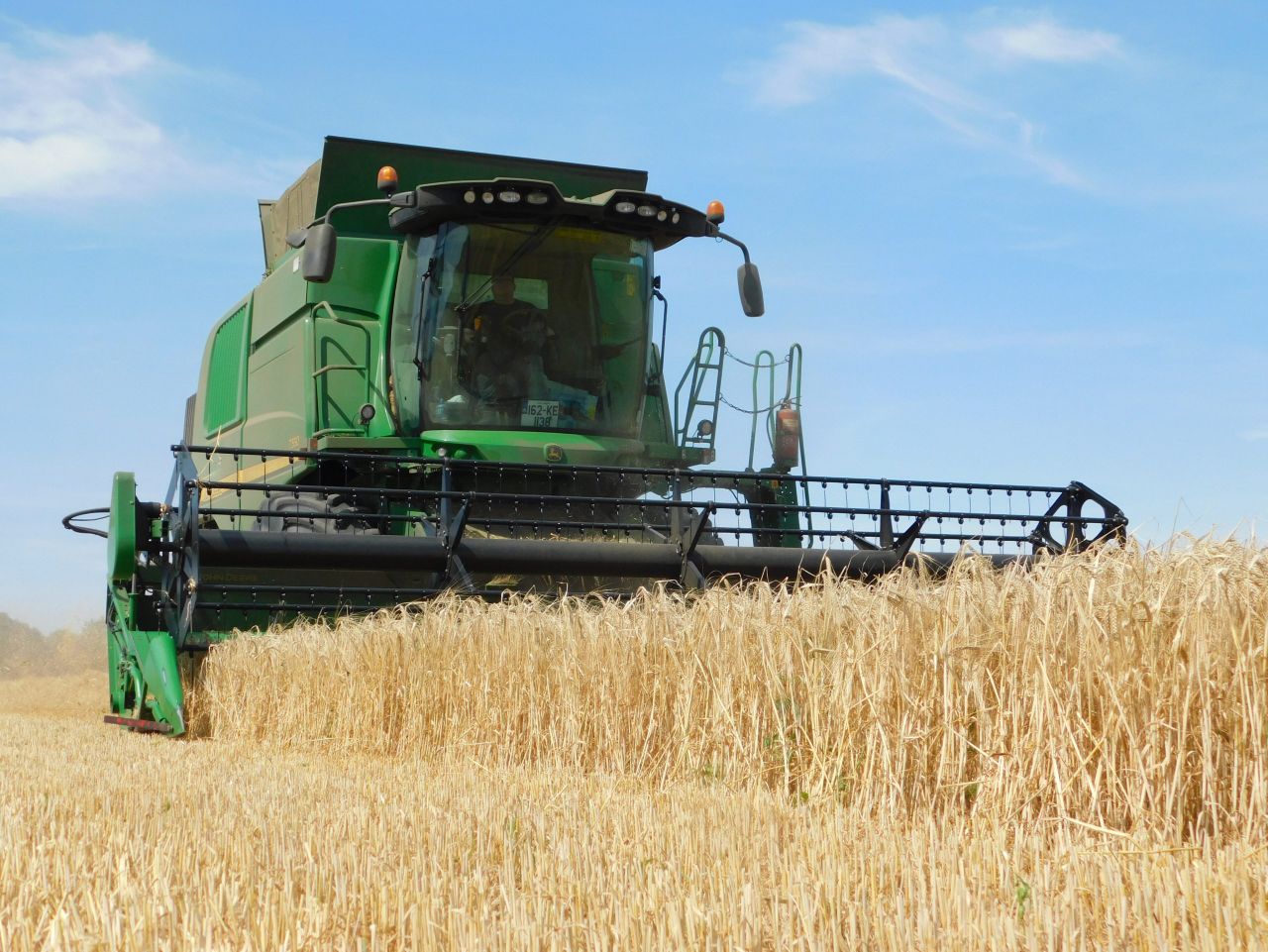
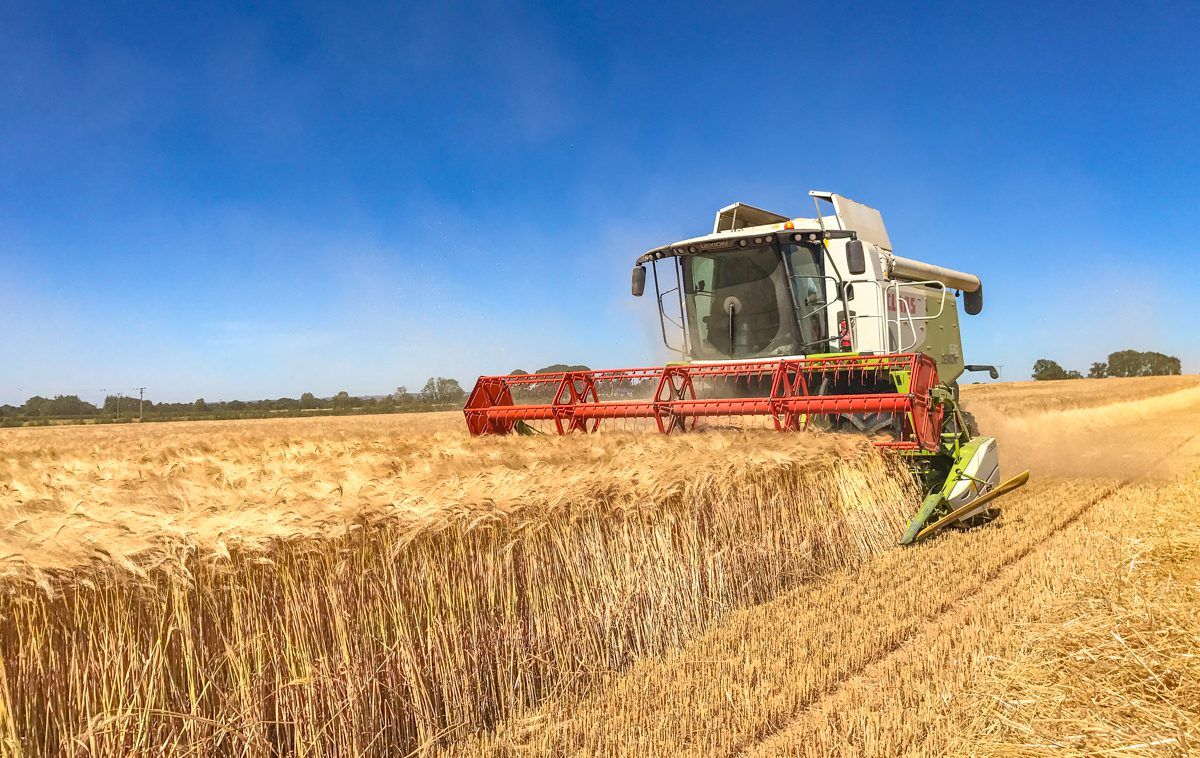
Initial analysis by Teagasc is pointing to poor yields as being the biggest contributor to the very tight margins recorded by many tillage farmers on the back of harvest 2026.
This is despite the fact that Irish grain prices have increased by approximately €20/t year-on-year.
The other factor impacting on tillage margins over the past 12 months has been the significant hike in input costs: fertiliser, fuel, and labour.
Teagasc tillage specialist, Shay Phelan commented: “Yields were very variable across all crops. And the impact of the drought made all the difference.
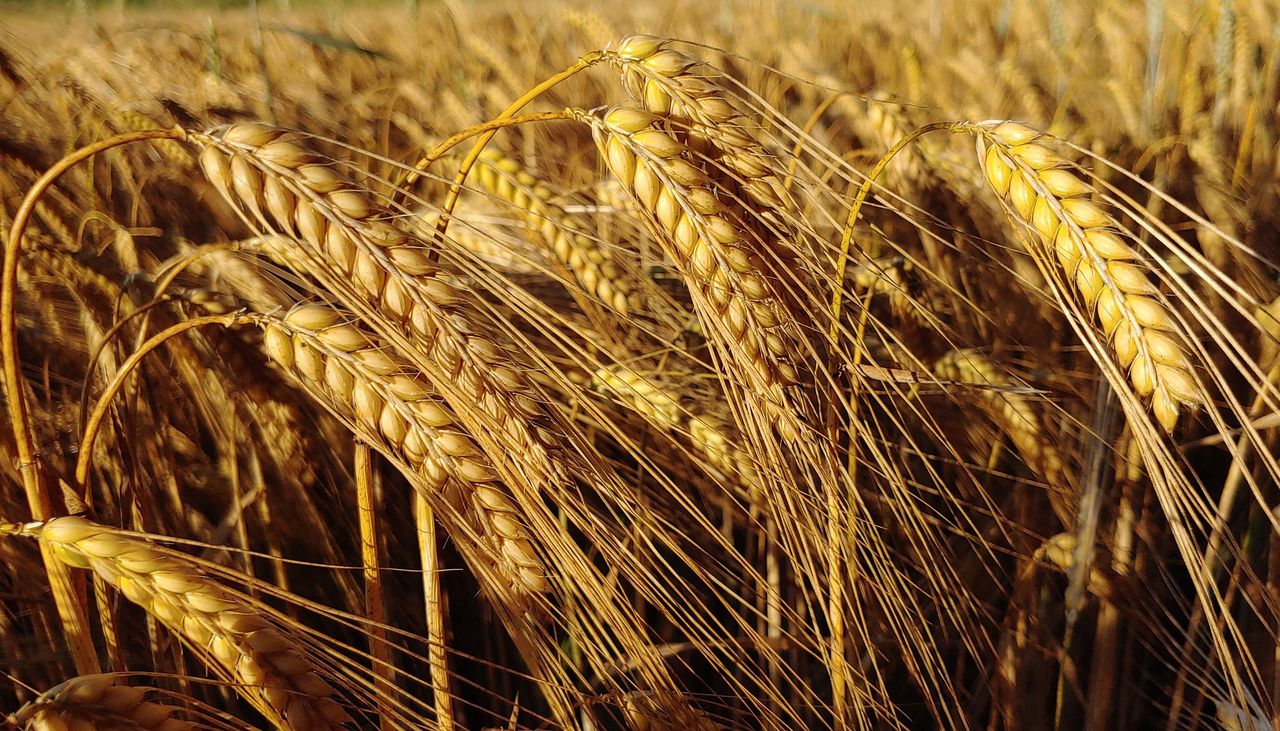
“I walked crops of spring barley prior to harvest that yielded moderately well. Other crops, on the other hand, did not perform well at all.
“But, across the board, there is evidence that winter barley crops were badly impacted by the drought.”
Meanwhile, winter oilseed rape has been the success story of Irish tillage for the past two years.
Phelan explained: “Yields were moderate. But it is the strong price of oilseed rape that is driving the success of the crop at the present time.
So, can we expect a further increase in the overall area of oilseed rape grown in 2026/2027?
“That may not be the case,” stressed the Teagasc tillage specialist.
“Rotation restrictions may limit additional planting opportunities for rape in certain parts of the country.”
Winter cereals
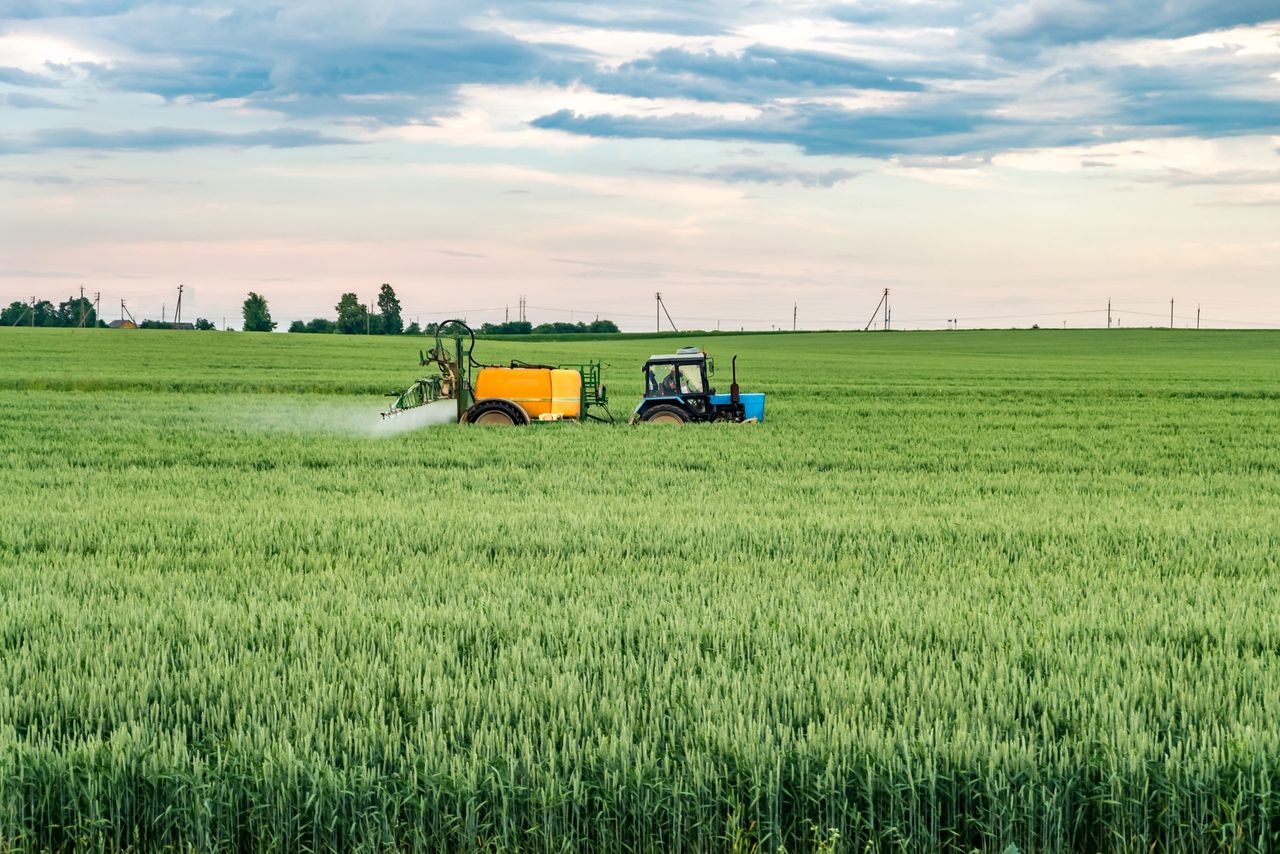
Meanwhile, planting of winter cereals continues apace, particularly on larger tillage farms.
Phelan said: “Growers with moderate acreages of barley and wheat to plant will be in the fields over the coming days,”
“But early planting of winter cereals comes with both risks and additional costs."
The Teagasc specialist warned that the threat of Barley Yellow Dwarf Virus (BYDV) remains high at the present time.
"And we saw just how badly that disease can impact all cereal crops back in the spring," he continued/
“Yes, the option of using winter barley varieties that are disease tolerant is there. Growers can also use an insecticide to tackle aphid populations.
“But, even combined, neither approach can offer full insurance cover, where Barley Yellow Dwarf Virus is concerned.”
He also highlighted that grass weed populations are "harder to control" in early sown winter cereals.
"There is a greater risk of lodging later in the season - all of this adds to the cost incurred by growers.
“Harvest 2026 has shown that final yield is a key driver of crop margins," Phelan said.