Is planting winter barley and winter wheat now worth the BYDV risk?

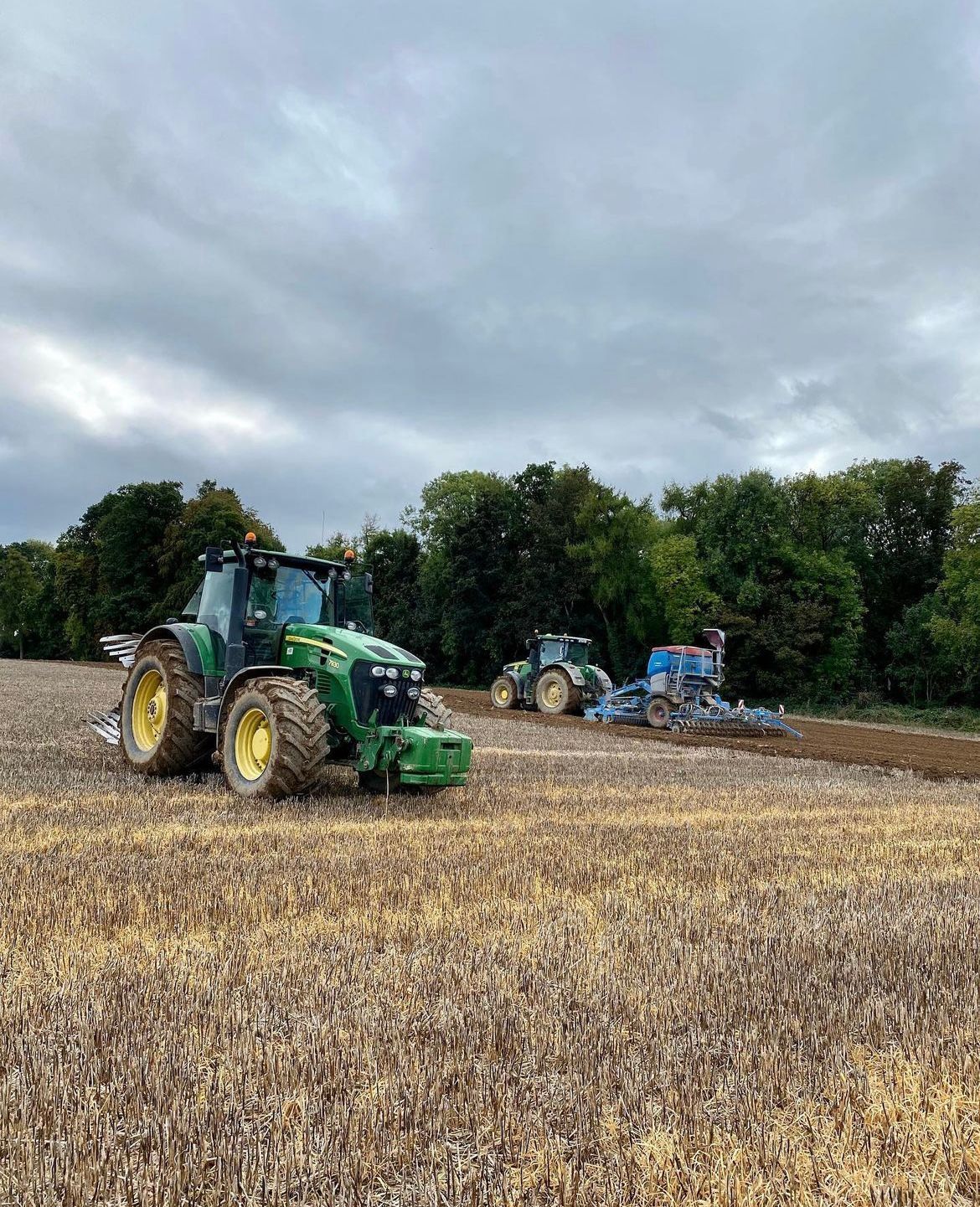
It seems that significant numbers of tillage farmers are actively drilling crops of winter barley and winter wheat.
No doubt the current spell of dry weather and excellent ground conditions are encouraging this trend.
But near record air and soil temperatures also bring with them a significant risk of Barley Yellow Dwarf Virus (BYDV) infection.
Teagasc tillage specialist Shay Phelan said: “Aphid populations are exploding at the present time.
“And with this comes the significantly enhanced threat of BYDV."
The Teagasc representative recognised that a number of BYDV tolerant varieties of winter barley are now available, but added:
“Given current planting conditions, their ability to cope with the current disease threat will be pushed to the limit.
“But where winter wheat is concerned, BYDV tolerance is not available at all within any of the commercial varieties currently available.
“So crops planted this week will be fully exposed to the BYDV threat that must be out there.”
The fall-back situation when the risk of BYDV is high is to spray newly emerged crops with a pyrethroid insecticide twice, according to Phelan.
He explained: “The first spray should be applied at the two-leaf stage.
And for crops sown out before the weekend, we are talking about crops emerging around the middle of next week.
“But irrespective of BYDY, early planting of winter cereals brings with it other challenges: these include a higher risk of lodging and the enhanced threat posed by grassland weeds.”
Rye and beet
Prior to this week, significant acreages of hybrid rye had been planted out around the country.
Teagasc is estimating that the area drilled will probably come in at around 6,000ha, well up on previous years.
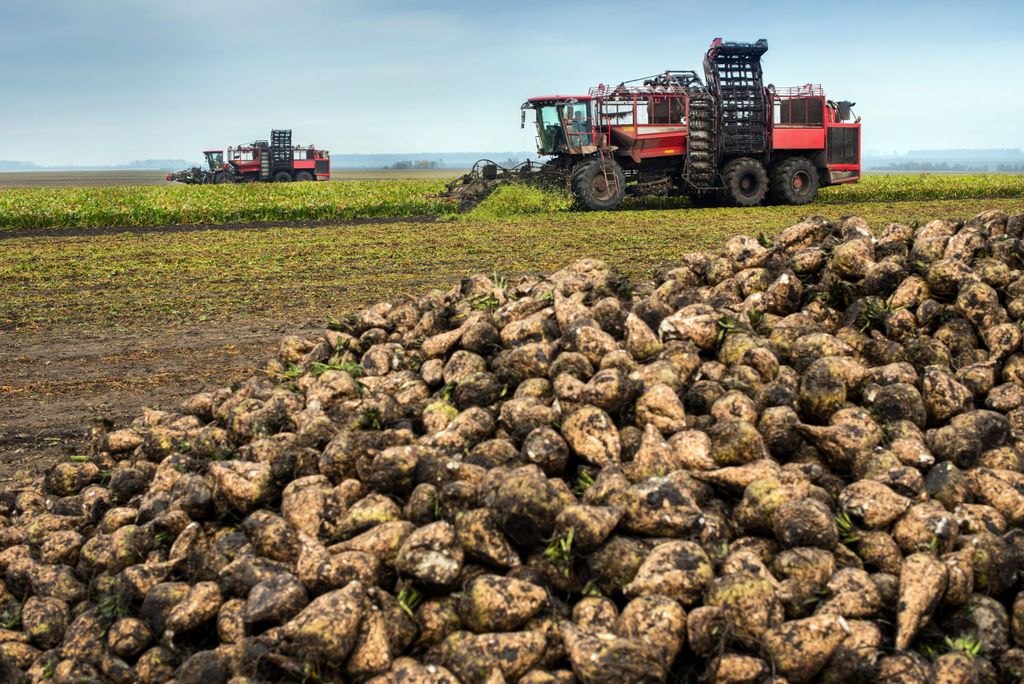
Meanwhile, beet crops continue to recover from the recent drought.
“Yields may be down somewhat on last year,” Phelan confirmed.
“But re-growth in beet crops has been evident over the past week or so.
“Last year we saw record yields: in some cases coming in at 40t/ac. This time around, yields could be as much as 5t/ac less than the 2025 figure.”
According to the tillage specialist, beet destined to be fed fresh can be harvested over the coming days.
But he advised that in cases where the plan is to store crops, harvesting should not take place until temperatures drop back somewhat.
“Beets put into store now could spoil very quickly.
“Given that availability may be an issue this winter, there is every prospect of beet leaving a decent enough return over the coming months," Phelan said.