Farmers to attend major Dublin conference on pesticides
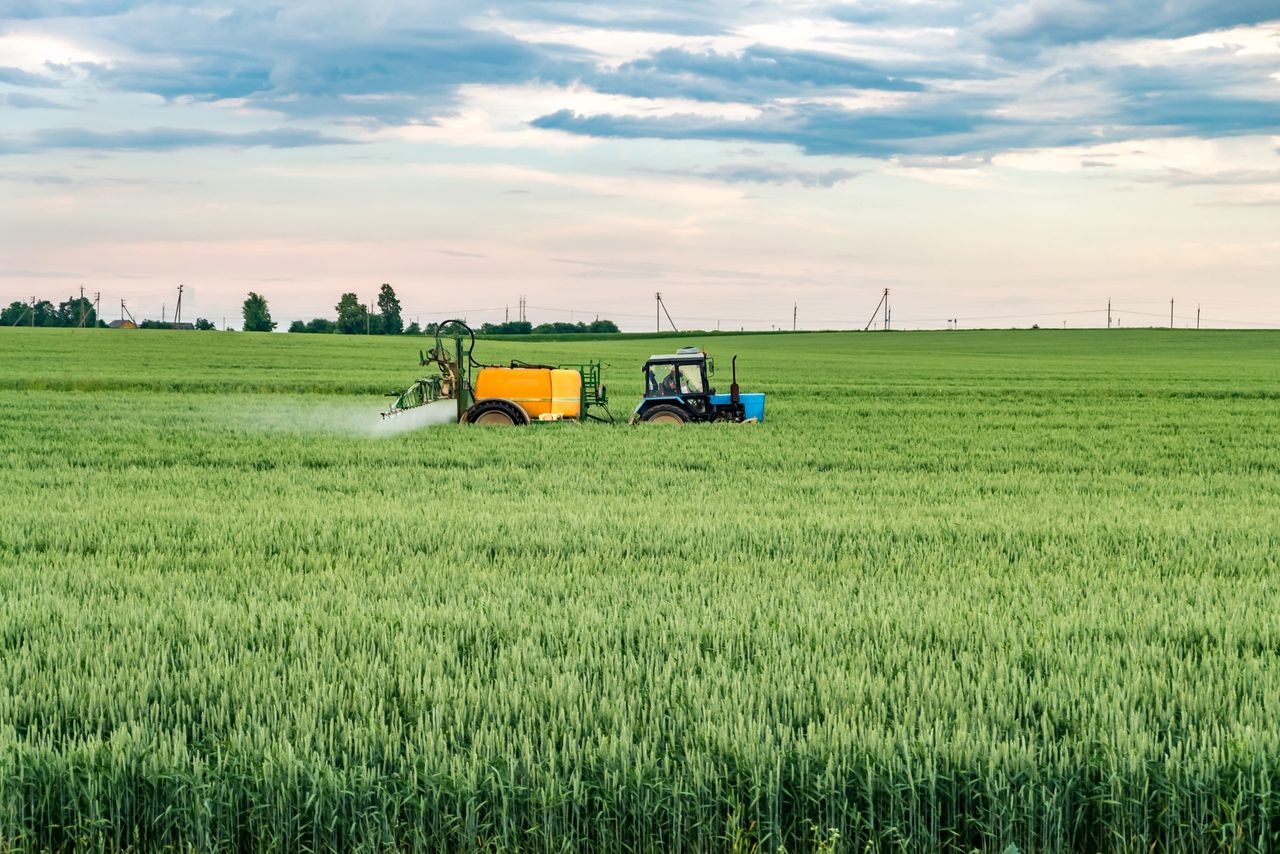
A major public conference on the future of pesticide regulation will take place in Dublin next week.
The 'Protect our Health, Water and Biodiversity from Pesticides' event at Europe House on October 6, will bring together representatives of the European Commission, Department of Agriculture, Food and the Marine (DAFM), leading scientists, water sector experts, environmental NGOs, and representatives of the farming community to discuss the future of EU pesticide policy.
It is being organised by the Environmental Forum in cooperation with Pesticide Action Network (PAN) Europe, the Sustainable Water Network and the Environmental Pillar.
Ireland holds the presidency of the EU Council for the second half of 2026 and is leading discussions to finalise EU Member States' position on the EU pesticide law.
As part of the programme, Klaus Berend, EU Directorate-General for Health and Food Safety, DG SANTE will provide an update on the current developments in EU pesticide regulation, focusing particularly on the Food and Feed Omnibus package and its implications for pesticide policy and implementation.
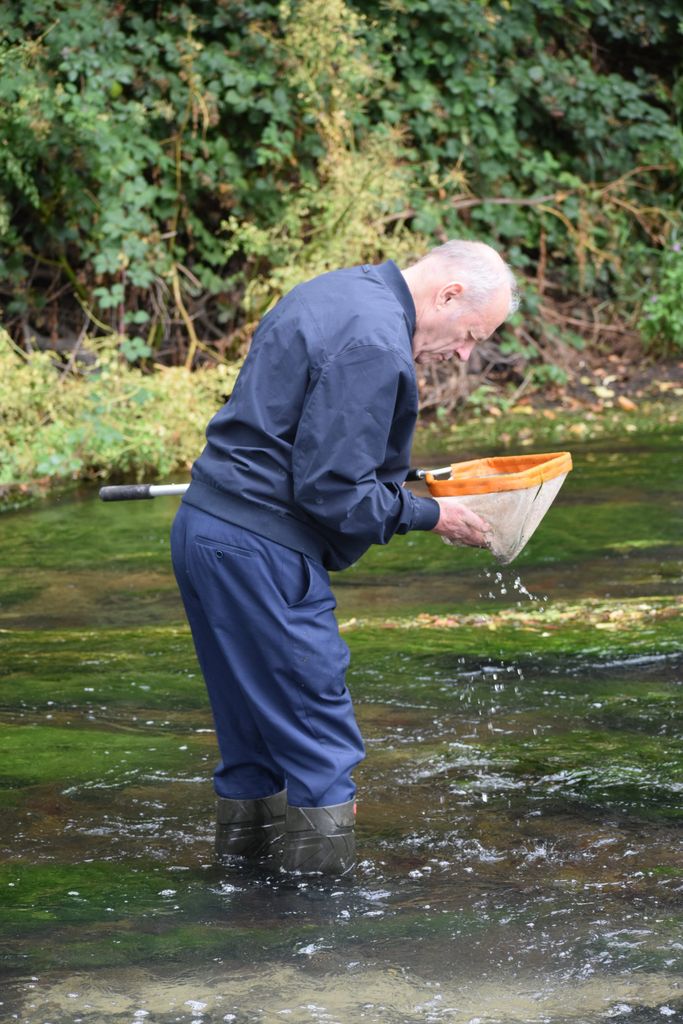
Bernadette Connolly of The Environmental Forum, who will lead the opening discussion at the event, said: “Ireland should take the lead in protecting our environment and our children’s health.
"The EU Presidency puts our government in an excellent position to let reason prevail and to protect water and health for future generations.”
At the heart of the current debate is whether pesticides should continue to be regularly reassessed, or whether some could receive indefinite approval.
Under the current system, pesticides are approved for 10 or 15 years following an assessment of health and environmental concerns.
They are then reassessed, taking into account field experience and independent scientific findings.
Critics of indefinite approval warn that without regular reassessment, independent scientific findings could go largely unnoticed.
The EU Council is currently discussing a proposal that would limit indefinite approvals to low-risk substances.
Dr. Dara Stanley, University College Dublin (UCD), added: "When pesticides are used, residues end up in the environment in water, soils, nectar and pollen and elsewhere.
"This may not be at levels that are acutely toxic to biodiversity, but they can have sub-lethal impacts on things such as behaviour and reproduction, that are often not currently accounted for in pesticide risk assessment."