Organisations of veg growers still no match for large retailers

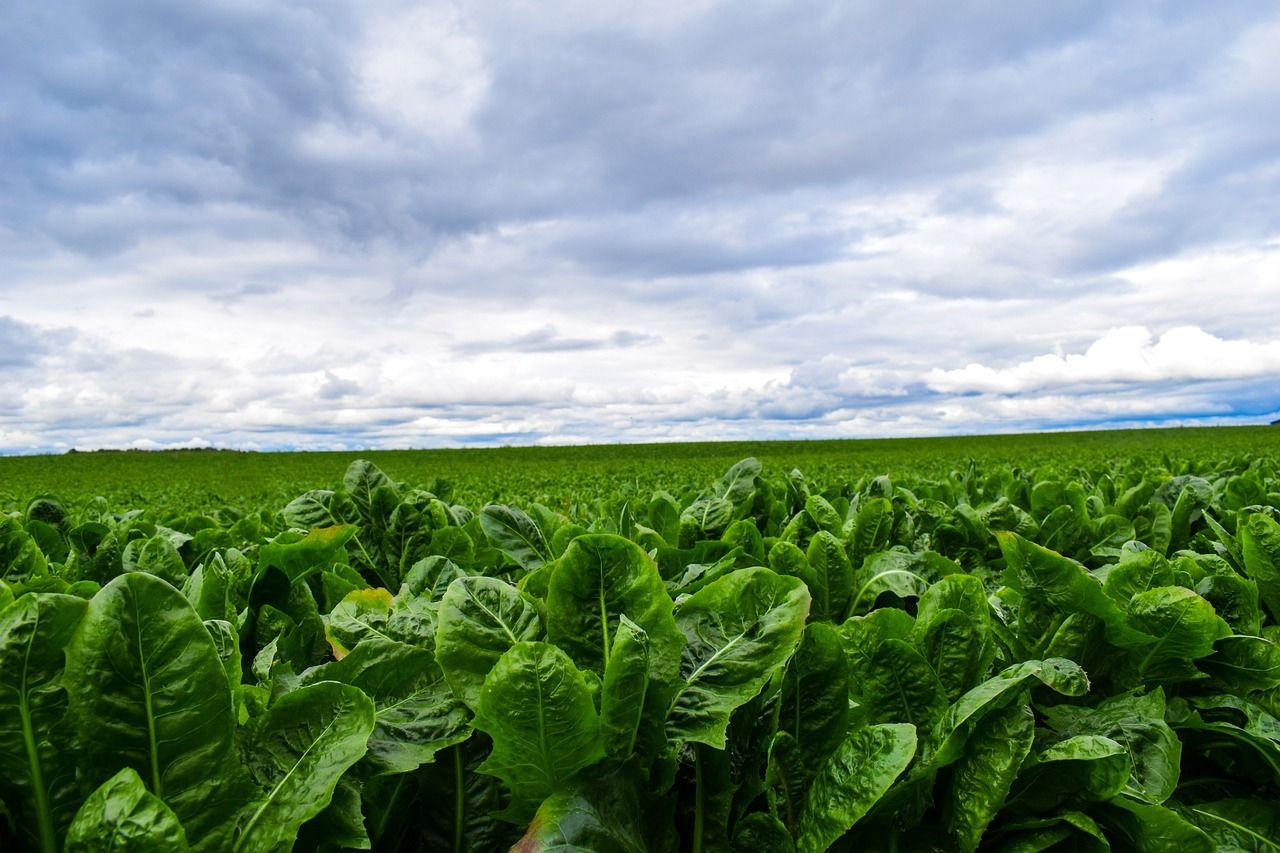
Although EU funding is helping them to become more competitive, fruit and vegetable producer organisations are losing ground, according to a new report.
The European Court of Auditors (ECA) has said this week that uneven national support, complex EU rules, and the European Commission’s lack of response to the challenges the sector faces are "holding back its development".
Fruit and vegetable producers are having to deal with growing economic and environmental pressure, from rising costs to changing market demand.
The ECA said in its report that producer organisations are meant to help them to respond collectively: farmers can sell together; invest jointly in equipment and infrastructure; improve product quality; and negotiate better terms with buyers.
Despite these benefits, producer organisations have been losing market share.
Also, the number of member farmers fell by 39% between 2012 and 2023.
According to the European Commission, the EU had 1,488 recognised fruit and vegetable producer organisations in 2024, with 187,372 members.
EU support
“If producer organisations are to help farmers to stand up to large buyers and provide consumers with a wide variety of European fruit and vegetables, the rules must be simpler, national supportmore consistent, and membership more attractive," Keit Pentus-Rosimannus, the ECA member in charge of the audit, said.
Producer organisations that bring together fruit and vegetable growers received €1.06 billion in EU support in 2023.
They used this funding to modernise equipment, automate production, save energy and water, obtain quality certificates, improve packaging and logistics, and develop quality labels recognised by consumers.
As the funds are linked to marketed production value, this also encourages organisations to increase turnover and plan production according to market demand.
Weak position
However, despite the EU support, producer organisations remain in a weak position compared to large retailers, the ECA said.
Larger producer organisations can offer bigger volumes and a wider range of products, which helps them to negotiate better.
However, in most member states, producer organisations are not large or well-known enough to bargain from a strong position.
Belgium and the Netherlands are the only countries where such organisations are economically significant.
Differences between EU countries
The auditors found further major differences between EU countries.
Some have no recognised producer organisations at all.
In the rest, the share of production marketed through them ranges from 0.8% in Slovenia to 86% in Denmark.
Historical and cultural factors explain part of this variation, but national choices also play a role.
Some authorities actively advise organisations, and allow a broad range of funded actions. Others apply stricter eligibility rules or provide less support.
The ECA said: "This creates an uneven playing field within the single market.
"It can also deter farmers from joining producer organisations or submitting operational programmes to obtain EU funding."
The auditors found that although the European Commission has identified some of these challenges, it has not done enough to address them, or to help member states to compare and align implementation.