Opportunity to catch up on reseeding

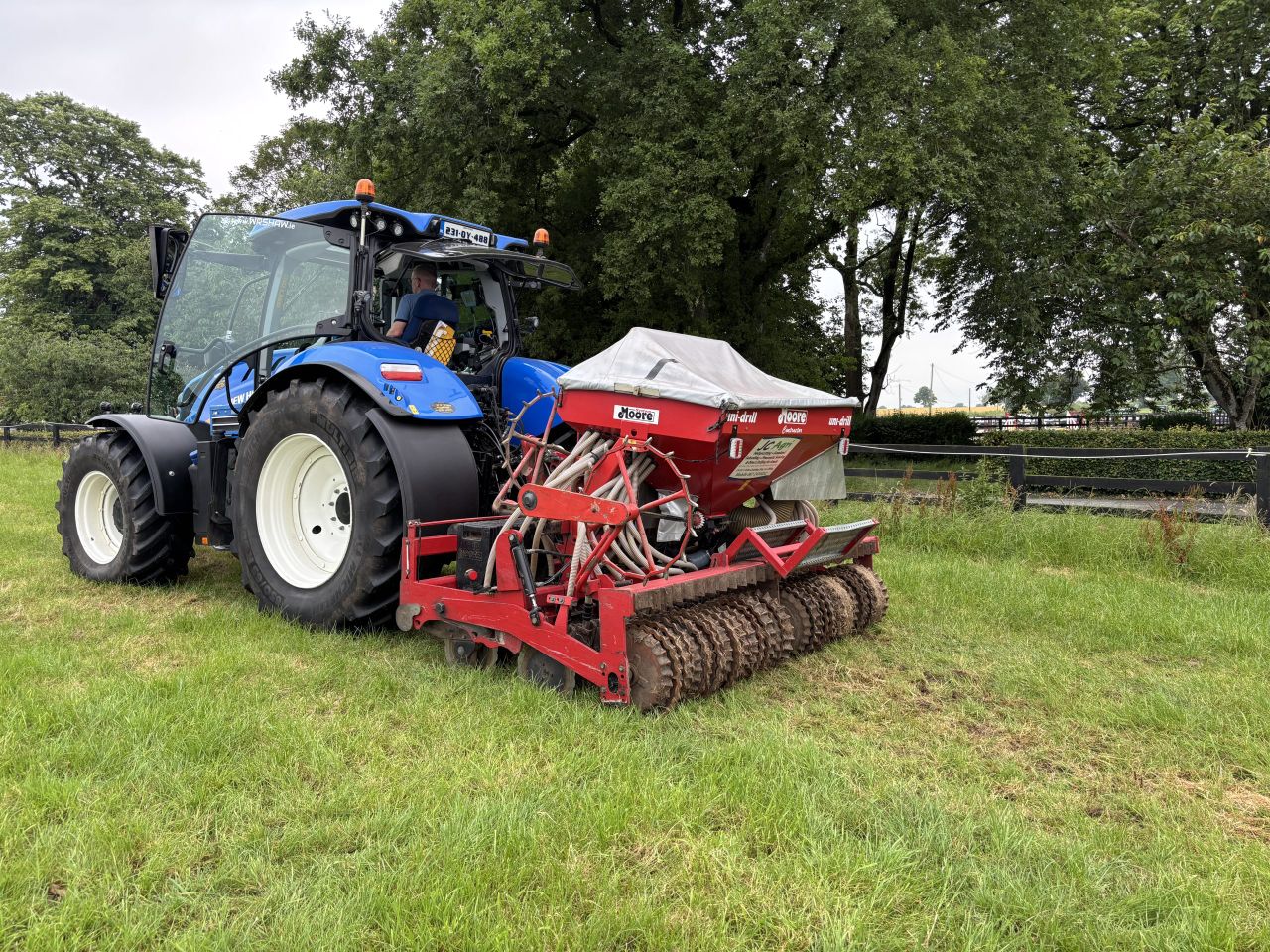
Mid-season reseeding is always far from ideal, but considering the weather we got this spring, it may be worth turning a few paddocks around now.
In general, farmers avoid summer reseeding as it can lead to short grass supplies and seed establishment can be affected by bouts of drought.
These are two factors that must be seriously considered if farms are thinking about summer reseeding, as Met Éireann has forecast sunny dry weather for the next week at least, leading to soil moisture deficits.
On the other hand, farms that were hoping to reseed pastures in the spring but were unable to with the weather, may be able to play these conditions to their advantage, especially if thundery, humid conditions roll in.
This cohort of farms that were unable to travel in the spring may be in a position in which their ground does not get too dry, and even if it has a small sup of rain in a fortnight will loosen things back up again.
Ideally if farms are still considering reseeding, it may be worth getting it done before mid-August to ensure good establishment and proper weed control.
Reseeding
Over-sowing/stitching in is becoming the one of the most commonly used methods of reseeding, especially at this stage of the season.
When using this method, grass can be grazed down real tight or old pasture can be burnt off.
Over-sowing also has minimal impact on the nutrient status of the field, unlike ploughing which turns up less fertile sod.
That being said, you still can not go wrong with ploughing when it comes to compaction issues, which could have been a problem this spring especially if pastures were sacrificed in a bid to get cows out to grass early on.
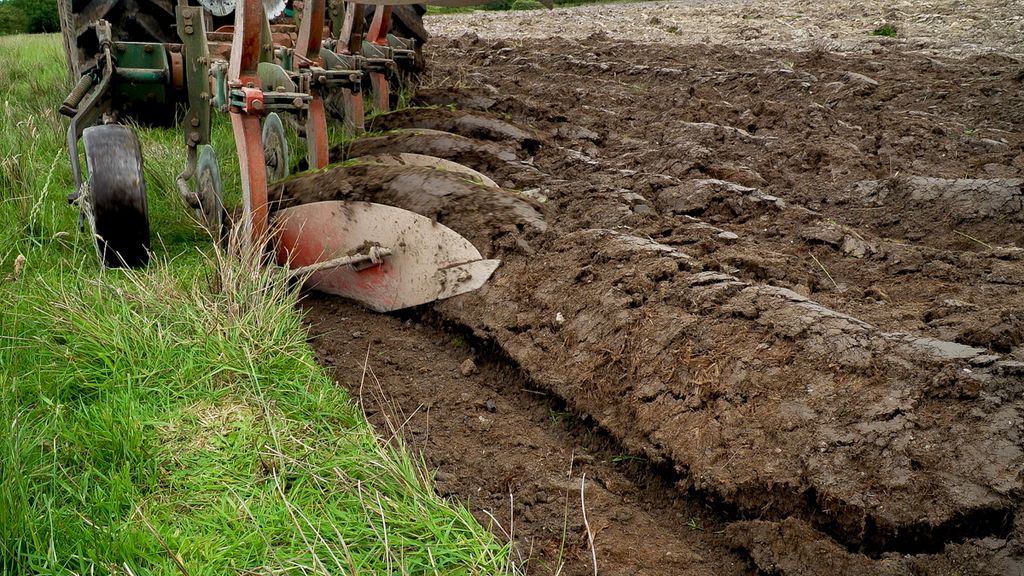
The problem with direct drilling is conditions need to be slightly damper than what we currently have.
Lime and slug pellets will be essential for this method, as slug attack risk is higher with slit – meaning a higher seeding rate may be required.
Whether the ground is sprayed off or not, farmers should avoid sowing on a thrashy seed bed, as it can hinder soil seed contact and allow weeds to persist.
Other farmers opt to use a power harrow/seeder combination, especially in stony or shallow soils where they are trying to avoid bringing stones to the surface.
Other farmers use a disc on a one-pass system before heading in with a seeder, while some other farmers still go with broadcasting.
Whichever method you choose depends on your unique farm system in terms of soil and grass availability.
Clover establishment
Whenever we talk about reseeding these days, one of the biggest issues is clover establishment, as well as persistency.
A lot of clover failed due to 2024's weather patterns, while more got buried under grass with a late start to the grazing season this year, either failing or taking longer to get going.
Farms that have had clover fail may be thinking that it is late in the year to re-sow it for proper establishment, but with the right conditions and proper post-reseeding management, clover can still be established successfully at this time of the year.
The most suitable paddocks will be the ones that have a low weed burden and a high level of soil fertility, as clover requires soil indexes of three for phosphorus (P) and potassium (K), and a soil pH of 6.5.
These paddocks will need to be managed differently to all the other paddocks on the farm.
They will need to be grazed at the correct times and at lower covers to start with to allow light to reach the plant.
There should be a high inclusion rate of tetraploids in the mix of over 60%, even on heavy soil farms, as infrastructure is more important than a high percentage of diploids.
Whether you have already reseeded this year or you have none done at all, it might not be a bad idea to go at a bit more done while the farm is a bit quieter as breeding wraps up.
Reseeding will decrease input costs in the form of concentrates and fertiliser while maximising growth rates.