Sponsored
Offaly dairy farm extends grazing season with Lely Grazeway

Sponsored by

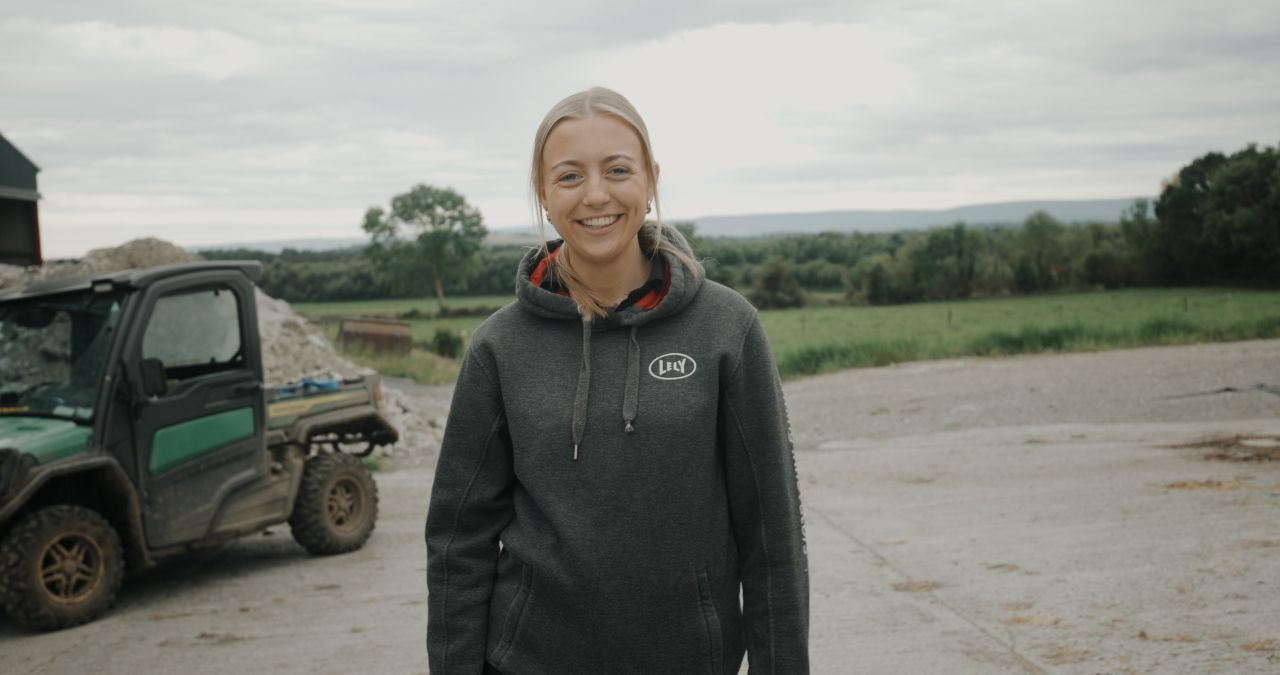
Despite farming heavy soils in Co. Offaly, Aisling Heavey says cows are spending an extra month at grass since switching to robotic milking and installing a Lely Grazeway.
Aisling farms alongside her father Bernard, milking 133 spring-calving cows near Tullamore, supplying Lakeland Dairies.
They also finish around 110 homebred beef animals at their 400ac mixed farm.
The family invested in a new greenfield dairy unit with two Lely A5 Astronaut milking robots in 2020, replacing their 10-year-old conventional parlour.
At the same time, they increased cow numbers from 115 to 130.
Around 30ac of the farm’s grazing platform could only be accessed by crossing a public road.
While an underpass was an option, the high cost meant the Heaveys decided to reduce the grazing platform to 85ac.
About the grazing system
They say embracing robots and using a Lely Grazeway has helped change their grazing mindset.
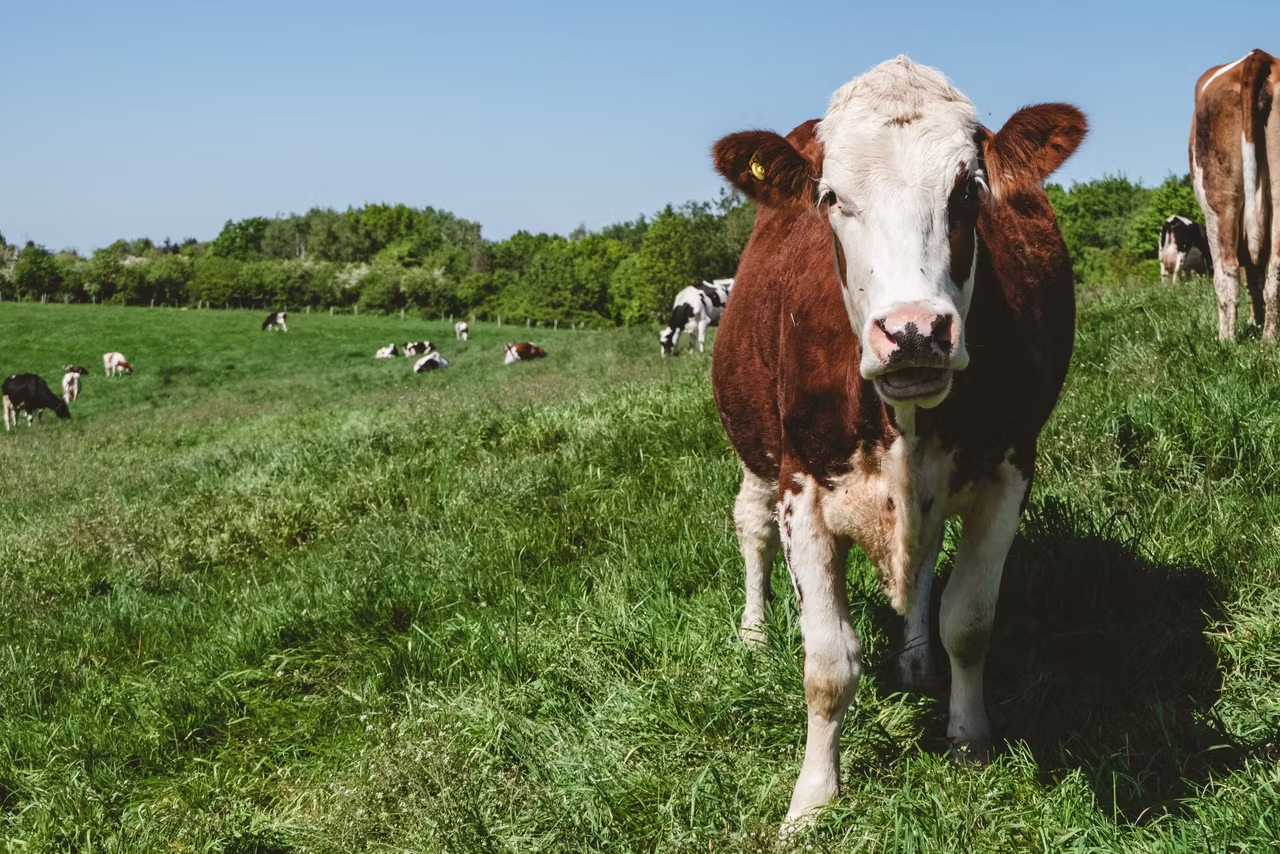
The Heaveys now operate an ABC grazing system, with cows allocated to one of three grazing blocks, depending on the time of day.
The Lely Grazeway is an intelligent selection gate that decides if a cow should be directed back to the shed or out to one of the three blocks.
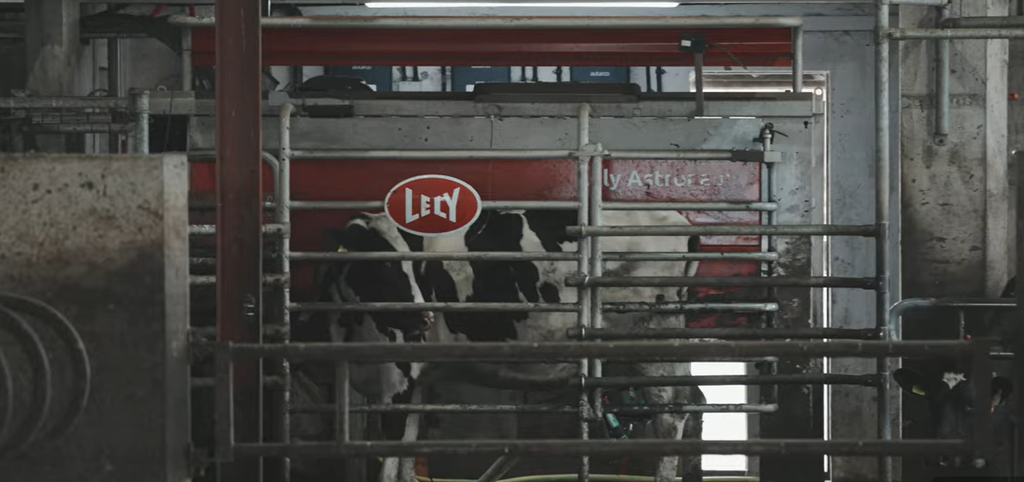
Grainne Murray, Lely Mullingar Farm Management Support (FMS) specialist, said: “The reason we do this is to increase intakes, break up herd mentality and reduce bunching.
"Most importantly, it improves cow flow and helps maximise the efficiency of the robot."
During the night, the Grazeway directs cows to the paddock closest to the milking shed.
Block A opens at 2:00a.m, Block B at 10:00am and Block C at 6:00p.m.
Around 20% of the daily allocation is offered overnight, with the remaining 80% split between the daytime blocks.
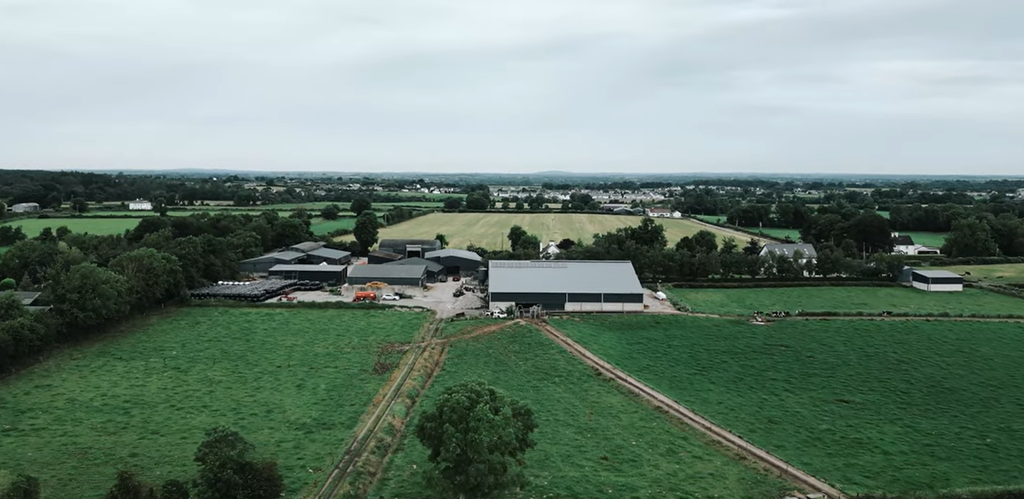
The reason for the three blocks is to aim for three times a day milking.
However, not all cows will visit all three blocks within a 24-hour time period.
This will depend on yield and intake, the higher yielding or greedy cow will visit all three blocks.
Benefits of the robots
The Heaveys say robots have transformed their grazing management.
Bernard said: “We are now out grazing in February, which we never would have dreamt of with the parlour."
Aisling added: “Previously, cows wouldn’t have gone out until St. Patrick’s Day, and we would house earlier in the autumn, too."
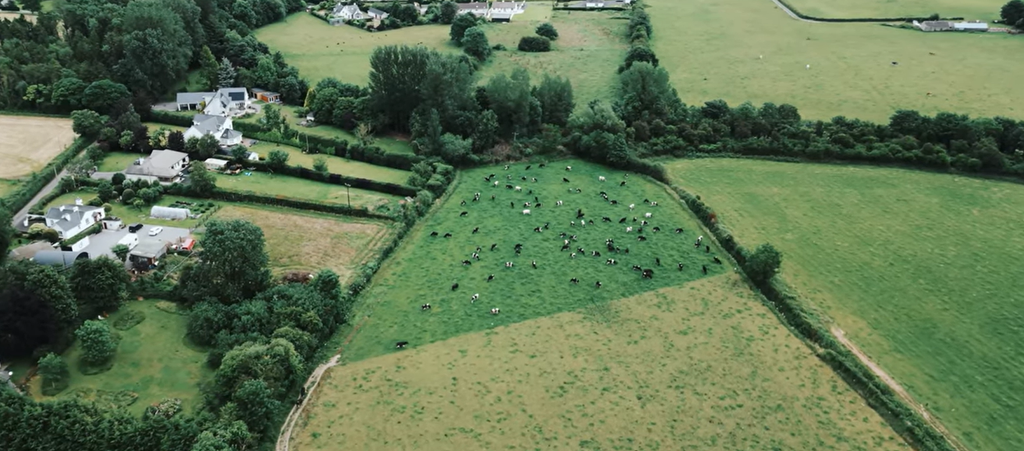
Bernard believes allowing cows to move freely has reduced poaching in gateways and improved ground conditions.
“If we get heavy rain and cows want to come back inside, they will,” he explained.
Simpler daily routine
It used to take six hours daily to milk, but the robots have simplified the daily routine, Aisling explained.
“Once the calving and breeding seasons are finished, the workload is reduced significantly.
"We only have two grazing wires to move in the morning and one in the evening.
"Then we change the milking filter socks, wash the robots and monitor data using Lely Horizon,” she added.
She believes having more time to focus on grazing has made them better grassland managers.
Calmer cows
The family has also noticed a significant change in cow behaviour.
Aisling said: “Our cows are an awful lot quieter.
"They move around in ones and twos or twos and threes, rather than as a herd, so there is much less pressure on the grazing platform."
Introducing the robots proved more straightforward than expected and cows adapted well.
Initially, only 30 cows were trained to go through the robots when they were first switched on because the remainder had been dried off. The following spring, cows went straight onto robots as they calved.
Bernard says the support provided by Lely Mullingar while they were getting established was brilliant and gave them confidence using the technology.
Aisling adds: “If someone was considering getting into grazing with robots, I would say definitely go for it. It really does work and it is a calm and flexible system.”
Call Lely Center Mullingar today on (044) 933 0320 to find out more.
Sponsored by