Over 100ha of Coillte forests impacted by fire in 2026

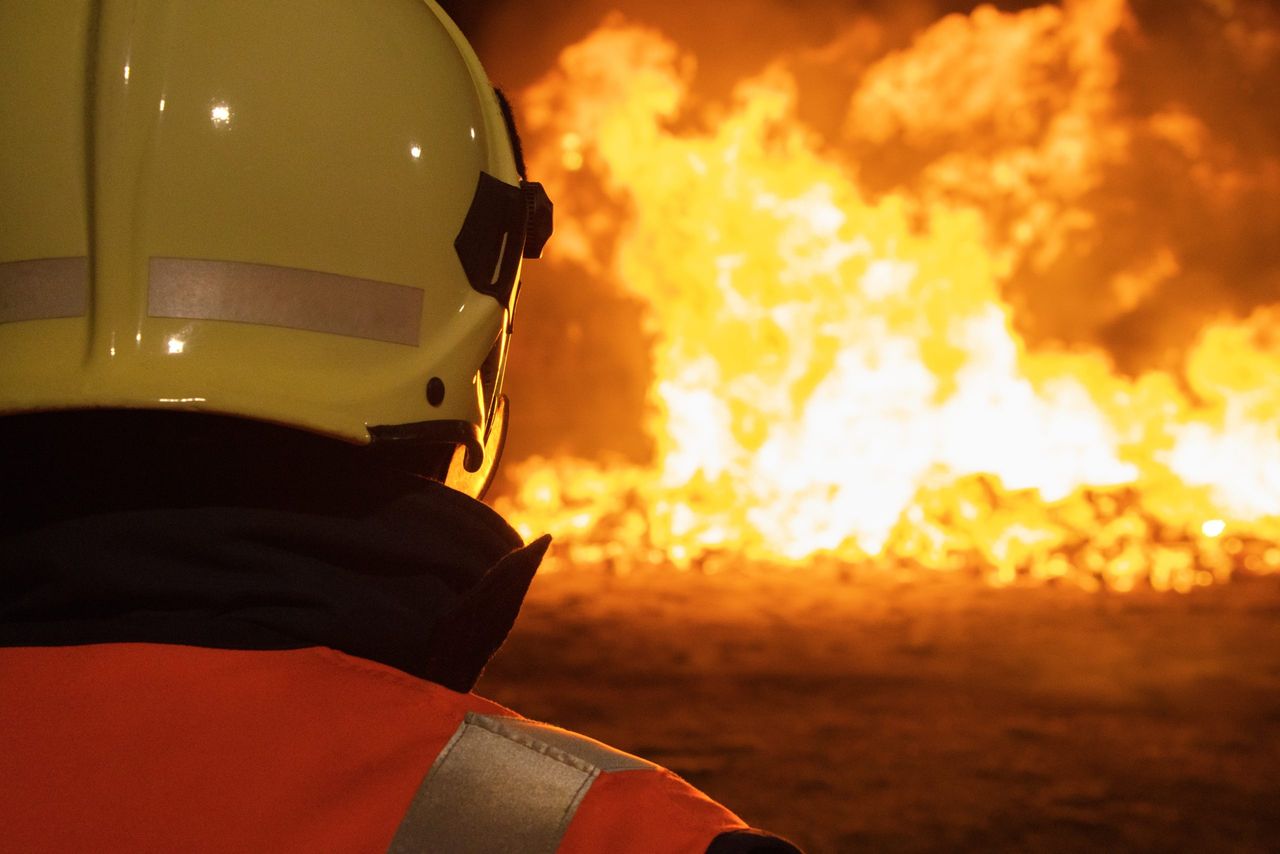
Approximately 80 fires have been recorded across the Coillte estate so far in 2026, impacting an estimated 100ha of its forests, the forestry body has said.
This year has seen a proliferation of wildfires across Ireland and several European countries.
In July, Slievenamon in Co. Tipperary saw a wildfire that lasted over a week and spread to a Coillte forest.
A spokesperson for Coillte told Agriland: “The recent wildfire at Slievenamon involved a large multi-agency response.
"These incidents require a significant mobilisation of resources, with Coillte staff and contractors working closely with fire services, the Army Air Corps, landowners, farmers and local communities.
“While major wildfire events remain relatively infrequent, they can have significant local impacts when they occur.
“Wildfires in Ireland are overwhelmingly linked to human activity rather than natural causes, therefore public awareness and prevention are key."
Preparedness
The semi-state forestry body said that forest fire preparedness is “already a core component of how Coillte manages its forest estate”.
It said: “Coillte has a range of measures in place, including trained personnel, specialist equipment, detailed fire management planning and strategically located firebreaks.
“Ahead of each fire season, Coillte participates in inter-agency training and preparedness exercises with partners including the National Parks and Wildlife Service (NPWS) and emergency services.”
During periods of elevated fire risk, Coillte said it increases its readiness through public awareness campaigns, enhanced surveillance and the use of technologies such as drones to help detect fires and sources of ignition as early as possible.
Learnings from 2026
Since 2021, more than 300 fires have been recorded on Coillte lands, impacting over 2,500ha.
Of those, 80 took place in 2026 alone.
Coillte said: “While forest fire activity varies from year to year depending on weather conditions and the sources of ignition, this season has reinforced the importance of preparedness, early detection and rapid response.
“Successful wildfire management relies on strong co-operation between landowners, forestry managers, fire services, emergency responders, state agencies and local communities."
The spokesperson added that public awareness and responsible behaviour "continue to be among the most important factors in reducing wildfire risk".
As a result, the organisation said it continues to work on public awareness campaigns, in partnership with other state agencies such as the NPWS, to raise awareness about the risk of lighting fires in the outdoors during the forest fire season.