National fodder committee to meet on Friday

A meeting of the National Fodder and Food Security Committee (NFFSC) will take place on Friday (August 21).
Minister for Agriculture, Food and the Marine Martin Heydon had requested that the committee reconvene due to the impact of the prolonged dry weather on grass growth, fodder supplies and crop production, particularly in the east and south.
The committee, chaired by Mike Magan, was established by then agriculture minister Charlie McConalogue in response to the impact of the war in Ukraine.
It was put in place to monitor and respond to emerging risks to supplies of fodder and rising input costs.
The committee includes representatives from the Department of Agriculture, Food and the Marine (DAFM), Teagasc, Bord Bia, farm organisations, banks, industry representative bodies and the farming media.
Members were informed today that the committee will gather on Friday morning at Teagasc Oak Park, Co. Carlow.
During the meeting, Teagasc will provide the latest results from the National Fodder Survey, including an update on grass growth and fodder availability across the country.
The committee is also expected to discuss the measures being taken to support farmers and practical advice for farms facing fodder deficits.
Fodder
The decision to recall the NFFSC followed a meeting yesterday between Minister Heydon, Teagasc and the main farm organisations.
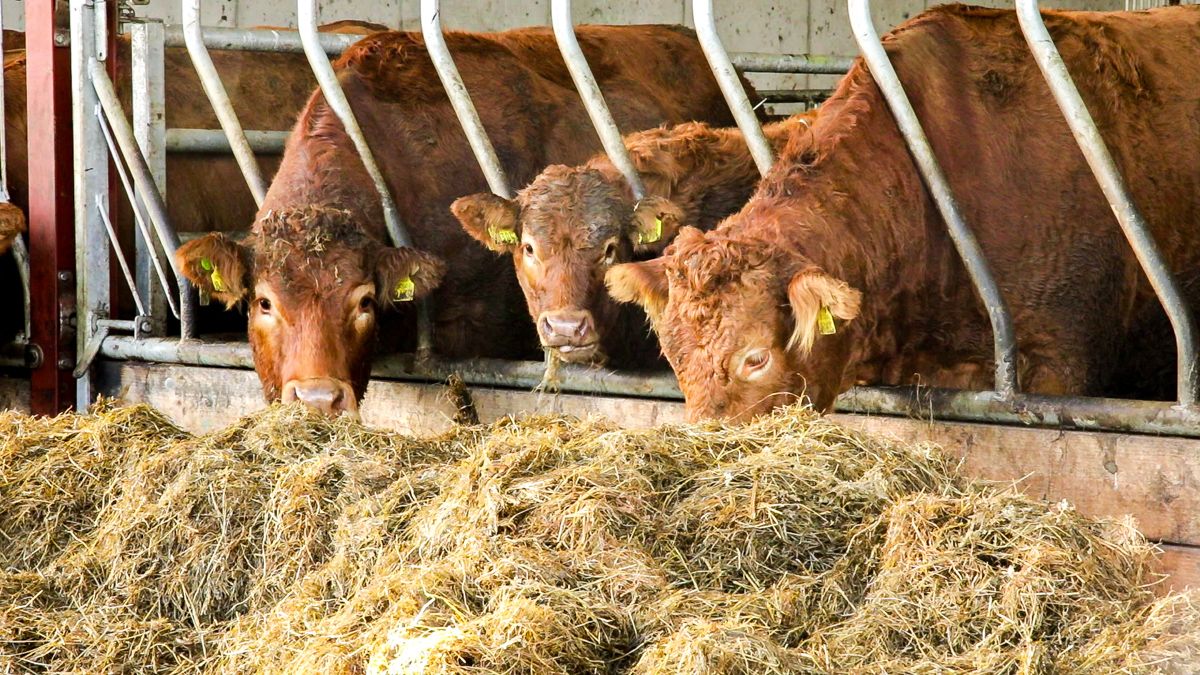
Teagasc told that meeting drought conditions have causing significant challenges to grass growth across a wide area, requiring livestock farmers to need supplementary feed and utilise silage made for winter feeding.
Over 300 farms have now completed and submitted a fodder budget, with an average of just over four months of feed available on those farms at present.
169 of these farms are located in Munster, 99 are located in Leinster, and 38 are in Connacht and Ulster.
The data shows that 14% of those farms are currently reporting a "significant shortage" of fodder, while a further 25% are between 10-20% short to meet their demand.
Worst affected counties include Kilkenny; Laois; Carlow; Kildare; Wexford; Wicklow; Tipperary; Waterford; Louth; Meath; Offaly; Westmeath and north Cork.
29% of farms were within 10% of target, 24% were on target and 8% reported a surplus based on current assessments.
Costs
Teagasc recommends that farmers should have 5 months feed stock at a minimum for the winter period, with that target increasing to 6 months in wetter regions.
Further fodder budgets are expected to be completed on farms this week.
Teagasc said supplementary silage and concentrates accounts for close to 50% of dairy cows' diets across Munster and Leinster.
This feed supplementation is costing an additional €1.90/cow/day, and up to €3-3.50/cow/day on worst affected farms.
Fodder
Minister Heydon has acknowledged that this is a stressful time for farmers, particularly in the east and south of the country.
"Completing a fodder budget is critical to establish if and what action needs to be taken at farm level, regionally and nationally.
"In light of the evolving situation, farmers should continue to update their fodder budget on Pasturebase Ireland or through their advisor," he said.
Minister Heydon has said the call from farm organisations for additional supports "will be considered when the full picture is available and in the context of Budget 2027".
"Many farm organisations also called for flexibilities on a range of measures, which will be kept under review," he said.